Warehouse Staffing Solutions: How Employers Keep Orders Moving During Busy Periods

warehouse staffing solutions

Written by

in

Warehouse Staffing Solutions: How Employers Keep Orders Moving During Busy Periods

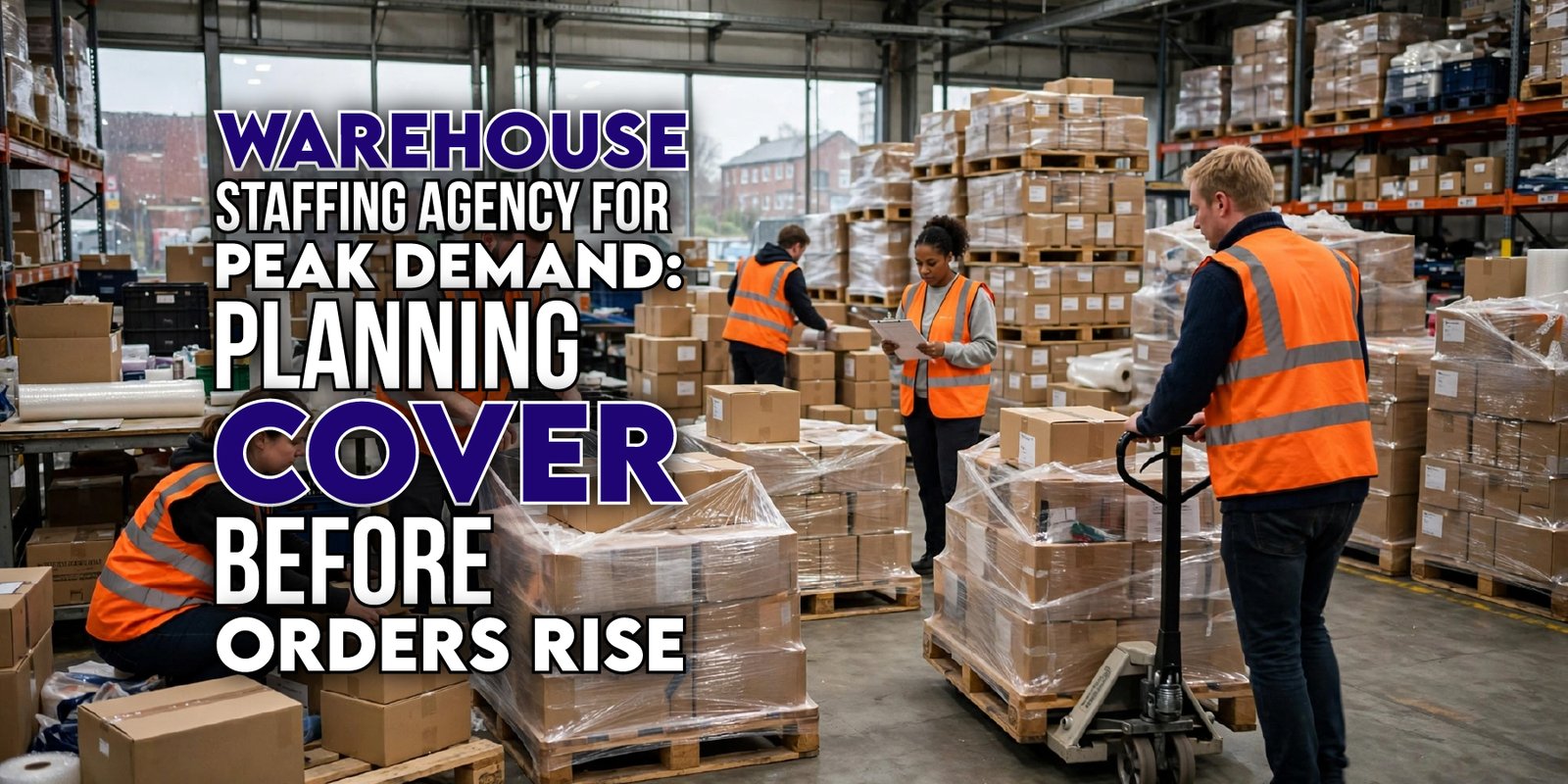
Warehouse demand rarely rises in a neat, predictable line. A promotion may increase orders while sickness, annual leave or recruitment delays reduce available staff. Meanwhile, dispatch deadlines remain fixed.

Well-planned warehouse staffing solutions help businesses add temporary support when demand exceeds normal capacity. They can support picking, packing, goods-in, goods-out and related functions without forcing an immediate permanent hiring decision.

What Are Warehouse Staffing Solutions?

Warehouse staffing solutions are recruitment services that help employers source temporary, short-term, flexible or permanent staff for warehouse and logistics operations. Employers use them to cover vacancies, absences, seasonal peaks, extended shifts and changing order volumes. The staffing model can expand or reduce headcount according to the work available, the assignment length and the skills required.

Warehouse staffing services may support operatives, pickers and packers, goods-in teams, dispatch staff, stock handlers, loaders, drivers and suitably licensed equipment operators. However, availability depends on location, notice and assignment requirements.

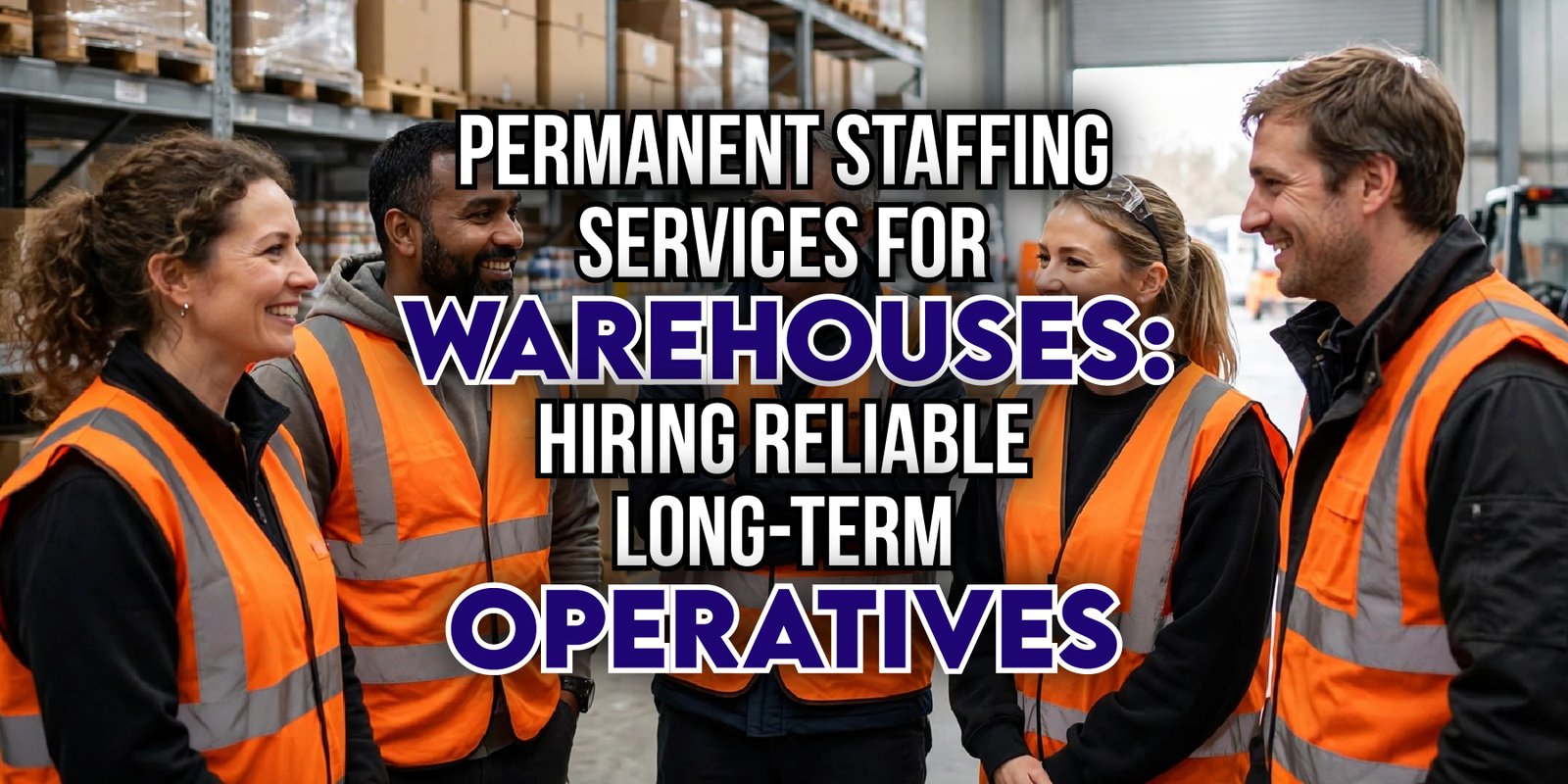
At 1st Workforce, employers can discuss temporary and permanent staffing requirements across warehouse, factory, logistics and operational environments. The company’s published service information also asks businesses to share practical details such as roles, headcount, shift patterns and site location before placement discussions begin. Why Do Warehouses Need Flexible Staffing During Busy Periods?

Warehouses need flexibility because demand, attendance and processing capacity can change faster than permanent recruitment can respond. Warehouse staffing solutions give managers another way to cover planned peaks or unexpected gaps while keeping staffing levels aligned with the workload.

Christmas trading, Black Friday, January returns and promotions can increase picking, packing and dispatch activity quickly. Likewise, a product launch may create orders that the normal rota cannot absorb.

Unexpected sickness, annual leave, transport disruption or vacancies can leave critical shifts short. In addition, a new contract may add work before permanent recruitment finishes.

Night and weekend shifts create another challenge because transport and candidate availability may be limited. Therefore, employers should consider parking, public transport and site access when planning agency staff for warehouses.

Most importantly, flexible staffing should support a forecast rather than replace one. Employers gain more control when they estimate order volumes, map labour needs by task and contact a staffing provider before the peak begins.

How Do Warehouse Staffing Solutions Keep Orders Moving?

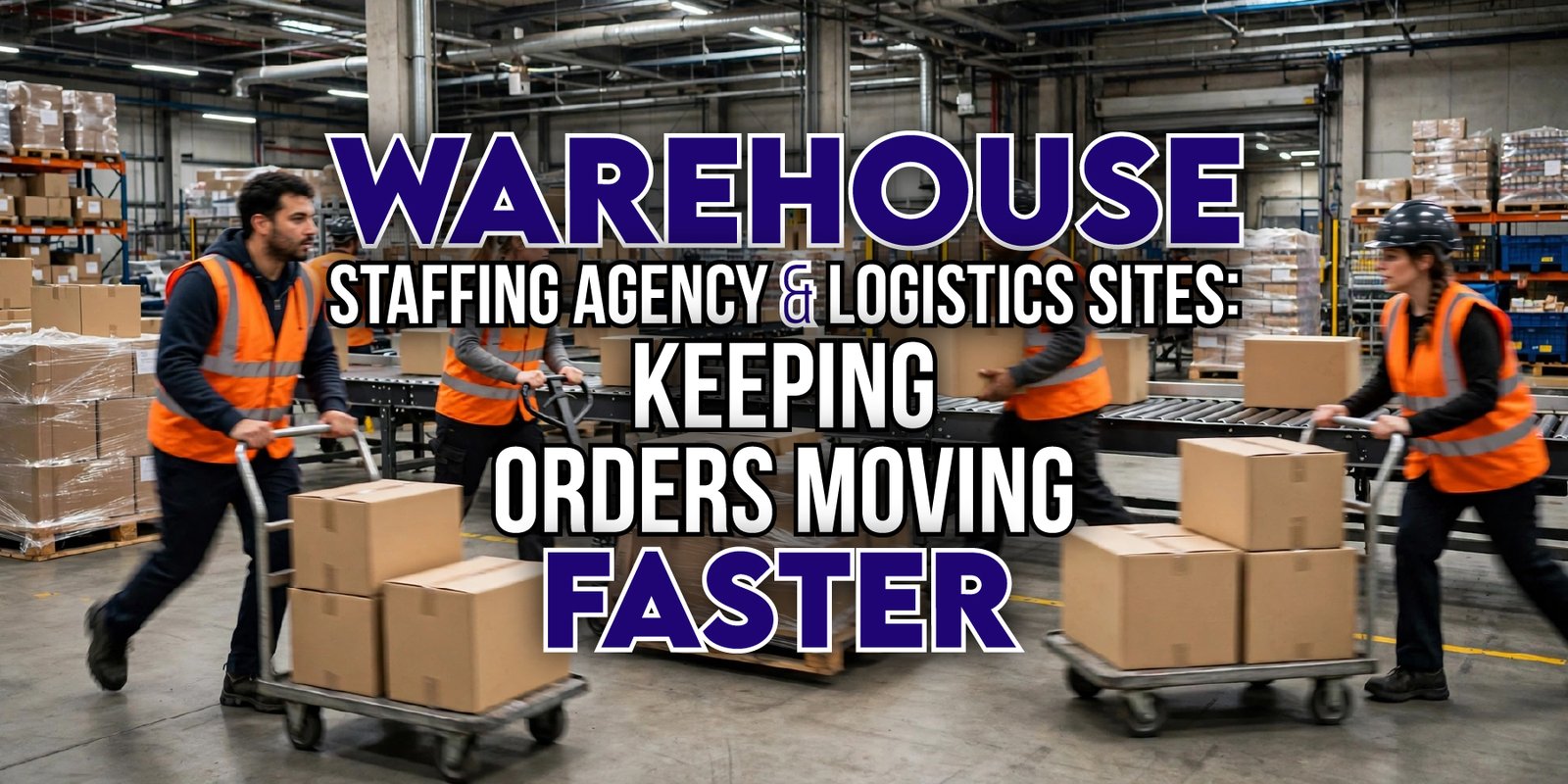
Warehouse staffing solutions keep orders moving by adding capacity where labour shortages would otherwise slow receiving, picking, packing or dispatch. They help employers fill gaps, support extra shifts and adjust staffing numbers as workload changes. However, the strongest results come from clear planning, accurate job briefs and effective on-site supervision.

How Warehouse Staffing Solutions Fill Urgent Gaps

A sudden absence can affect several workstations. For example, fewer pickers may leave packers waiting and push completed orders closer to carrier collection deadlines.

Warehouse staffing solutions can help restore capacity in the affected area. Nevertheless, employers should explain the duties, pace, physical demands and reporting line before confirming a booking.

Warehouse Staffing Solutions for Picking and Packing

During busy periods, order fulfilment often becomes the main bottleneck. Extra pickers can help collect products, while additional packers can prepare parcels, apply labels and organise completed orders for dispatch.

These warehouse staffing solutions work best when managers calculate labour needs by process. Without enough scanners, benches, equipment or supervision, extra headcount may simply move the bottleneck.

Supporting Different Shift Patterns

Warehouse staffing solutions can support early, late, overnight and weekend shifts where suitable candidates are available. As a result, warehouses may extend processing hours without immediately changing the permanent establishment.

However, agencies need accurate hours, breaks, overtime expectations, transport access and shift-specific duties.

Reducing Pressure on Permanent Teams

Permanent employees often absorb shortages through overtime, task switching and rushed breaks. Although that approach may cover one difficult shift, repeated reliance on it can affect concentration, morale and attendance.

Warehouse staffing solutions can spread the workload more evenly. At the same time, permanent employees can focus on skilled tasks, supervision, quality control and exception handling.

Scaling Staffing Numbers Up or Down

Warehouse staffing solutions help employers respond to changing volume without carrying the same headcount throughout quieter periods. Therefore, warehouse staffing solutions can suit promotions, stock counts, returns processing, new contracts and temporary backlogs.

Managers should set review points and compare forecasts, actual orders, productivity and attendance before changing an assignment.

Permanent Recruitment or Agency Staff for Warehouses?

Permanent recruitment suits stable roles that need long-term continuity. Warehouse staffing solutions suit fluctuating demand, short assignments and urgent cover. Many warehouses use both models.

RequirementPermanent RecruitmentAgency Staffing
SpeedUsually needs advertising, screening and notice periodsMay provide quicker access, depending on availability and checks
FlexibilityBest for stable, continuing requirementsUseful for peaks, absences and variable headcount
Long-term commitmentHigher commitment to an ongoing roleAssignment length can match operational demand
Seasonal demandMay create excess capacity after the peakCan support defined seasonal periods
Urgent coverOften difficult at short noticeBetter suited to short-term cover requests
Recruitment administrationMainly handled internallyAgency can support sourcing and initial screening
Workforce scalabilitySlower to increase or reduceEasier to adjust when demand changes

A permanent hire may suit a role needed throughout the year. On the other hand, agency staff for warehouses may fit a short promotion, temporary night shift or absence cover. Compare the full operational need, not only hourly cost.

Which Warehouse Roles Can Employers Request?

Warehouse staffing solutions can cover roles across receiving, storage, picking, packing and dispatch. Warehouse staffing solutions may include general operatives and more specialised positions, although employers should confirm role availability and required licences with the agency.

Warehouse Operatives

Warehouse operatives may receive goods, move stock, replenish locations, pick orders, pack products and prepare dispatches. Duties vary by site, so a clear task list improves matching.

Pickers and Packers

Pickers collect products from storage locations. Packers check, protect, label and prepare them for shipment. During peaks, employers often need both roles because extra picking without packing capacity creates another queue.

Goods-In and Goods-Out Staff

Goods-in staff receive and check deliveries. Goods-out staff organise completed orders for dispatch or carrier collection. Consequently, shortages in either area can affect inventory accuracy and delivery schedules.

Forklift, Reach Truck and Equipment-Based Roles

Equipment-based assignments require the correct experience, licence or certification for the machinery and site. Employers should state the equipment type, licence requirement, load conditions and working environment before asking for candidates.

Drivers and Logistics Support

Some logistics staffing requirements include van drivers, loaders, stock handlers or dispatch support. However, employers should specify driving licence categories, insurance arrangements, route expectations and manual-handling duties where relevant.

Supervisors and Team Leaders

Busy operations may also need team leaders or supervisors. Employers should define their responsibilities, reporting lines and required warehouse experience before asking about availability.

How Should Employers Prepare Before Requesting Warehouse Staff?

A detailed brief helps warehouse staffing solutions work more effectively because the agency can understand the assignment and identify suitable candidates. Before requesting warehouse staffing solutions, employers should confirm the following information:

  • Required number of people
  • Job title and main responsibilities
  • Shift start and finish times
  • Site address and reporting point
  • Required warehouse experience
  • Manual-handling or physical requirements
  • Forklift, driving or machinery licences
  • PPE and dress-code requirements
  • Assignment start date and expected duration
  • Supervisor name and contact details
  • Site induction and safety arrangements
  • Break schedule and overtime expectations
  • Parking, public transport and accessibility
  • Productivity, quality and attendance expectations

In addition, explain whether the site is chilled, physically demanding, automated or target-driven. Accurate information helps match availability with suitability.

Why Do Right to Work Checks Matter?

Right to Work checks help confirm whether an individual has permission to perform the work offered in the UK. The responsible party should complete the appropriate check before employment begins, review any restrictions and retain the required evidence. Agency arrangements can differ, so employers should confirm responsibilities rather than rely on assumptions. ller compliance overview, see 1st Workforce’s guide to Right to Work checks for agency staff. It explains why employers should clarify the employment model, checking process, evidence and follow-up responsibilities. This is general information, not legal or immigration advice. ent compliance may also include identity, licences, experience, safety information and induction. Therefore, checks should match the duties and working environment.

What Makes Agency Workers Reliable?

Reliable warehouse staffing solutions start with accurate matching and clear communication. Suitable experience matters, but workers also need confirmed availability, realistic shift information, travel arrangements, site instructions and a clear understanding of attendance expectations.

Employers can learn more about how reliable agency workers support warehouse operations. The supporting guide explains that reliability depends on screening, role fit, shift communication and the quality of the employer’s brief, rather than luck alone. e, prompt feedback about attendance, productivity, accuracy or conduct helps the agency improve future matching and briefing.

Planning Your Next Busy Period?

Employers get more value from warehouse staffing solutions when they share requirements early, including location, roles, headcount, shifts, dates, experience and licence or PPE needs.

Through 1st Workforce, businesses can request a warehouse staffing quote and provide the details needed for a focused staffing discussion.

How Do You Choose a Warehouse Staffing Services Provider?

Choose warehouse staffing solutions from a provider that understands warehouse roles, asks detailed questions and communicates clearly about availability. A suitable warehouse recruitment agency should explore the actual assignment rather than treating every operative role as identical.

First, ask how the agency assesses identity, Right to Work status, experience, availability and licences. Next, discuss shift confirmation, changes, induction information, attendance reporting and escalation.

Responsiveness matters during peaks. However, speed should not replace accurate screening, and providers should be honest about limited availability or roles needing more notice.

Finally, review how the agency handles changing demand. Strong warehouse staffing solutions should support practical changes to headcount, assignment length and shift patterns.

Common Warehouse Staffing Mistakes

Small briefing mistakes can weaken warehouse staffing solutions and create larger operational problems. Therefore, employers should avoid these common errors:

  • Requesting staff without clear duties
  • Underestimating peak order volumes
  • Leaving bookings until the last moment
  • Providing unclear shift or access instructions
  • Failing to mention equipment licence requirements
  • Skipping or rushing the site induction
  • Changing hours without informing the agency
  • Treating temporary staff as an afterthought
  • Ignoring transport for early, late or night shifts
  • Adding headcount without checking equipment and supervision capacity

In practice, the best warehouse staffing solutions combine agency support with good on-site management. Temporary staff still need direction, safe systems of work, realistic targets and a named contact.

Warehouse Staffing Solutions Checklist

Before contacting an agency, confirm:

  • Roles and headcount
  • Duties and required experience
  • Shift dates and times
  • Site location and access
  • Licences and equipment
  • PPE and dress code
  • Physical working conditions
  • Induction arrangements
  • Supervisor and escalation contact
  • Assignment duration
  • Transport considerations
  • Review dates and performance expectations

Frequently Asked Questions

What Are Warehouse Staffing Solutions?

Warehouse staffing solutions help employers source temporary, flexible, short-term or permanent people for warehouse and logistics roles. They may support seasonal demand, staff absences, changing shift requirements, backlogs or new contracts. The agency and employer agree the role, headcount, location, working hours, skills and assignment length before suitable candidates are considered.

How Quickly Can a Warehouse Request Agency Workers?

A warehouse can submit a request as soon as it identifies a staffing need. However, fulfilment time depends on the role, headcount, location, shift pattern, notice period, candidate availability and required checks. Employers improve the chance of a useful response by sharing complete details early, especially for night work, licensed roles or large bookings.

Which Warehouse Roles Can Recruitment Agencies Provide?

Recruitment agencies may provide warehouse operatives, pickers and packers, goods-in staff, goods-out staff, loaders, stock handlers, drivers, supervisors and suitably licensed forklift or reach truck operators. However, service coverage differs between agencies. Employers should confirm the role, equipment, licence, experience and physical requirements before assuming availability.

Are Agency Staff Suitable for Seasonal Warehouse Demand?

Yes, agency staffing can suit seasonal peaks because employers can request additional capacity for a defined period. For example, businesses may need extra support during Black Friday, Christmas, promotional campaigns or returns processing. Nevertheless, early forecasting, clear shift plans and proper induction remain essential for effective seasonal warehouse staffing.

What Information Should Employers Provide When Requesting Workers?

Employers should provide the role, duties, headcount, site address, shift times, start date, expected duration, required experience, licences, PPE, physical demands and reporting contact. In addition, they should explain break arrangements, transport access, induction plans and any productivity or quality expectations. A detailed brief improves role matching and communication.

How Do Right to Work Checks Apply to Agency Staff?

The relevant party must confirm that each person has permission to perform the work offered in the UK. Responsibilities can depend on the employment model and staffing arrangement. Therefore, employers should confirm who completes the check, which method applies, what evidence is retained and whether follow-up checks are needed. Professional advice may be appropriate for complex cases. Warehouse Staffing Services Cover Night and Weekend Shifts?

Warehouse staffing services may support night and weekend shifts where suitable candidates are available. Employers should provide accurate hours, break details, transport information, site access instructions and any shift premium information where relevant. Early notice is particularly useful because public transport and candidate availability can be more limited during unsociable hours.

How Can Employers Improve Agency Worker Attendance and Performance?

Employers can improve attendance and performance by giving accurate shift details, realistic duties, clear site directions, proper induction and a named supervisor. Prompt feedback also helps the agency improve future matching. Most importantly, communicate changes quickly and treat temporary staff as part of the team during assignments.

Keeping Warehouse Operations Flexible

Busy periods create pressure because order volumes, staffing availability and fulfilment deadlines rarely move together. Warehouse staffing solutions give employers a practical way to add capacity, cover gaps and adjust headcount while continuing day-to-day operations.

However, agency support works best when employers prepare early, define each role and communicate shift conditions clearly. Good planning also helps protect picking, packing, inventory handling and dispatch from avoidable disruption.

If your warehouse needs additional people for a seasonal peak, urgent shift cover or ongoing operational support, share your requirements with 1st Workforce and request a tailored warehouse staffing quotation.

Comments

Leave a Reply

Your email address will not be published. Required fields are marked *