Many businesses use the terms temporary staffing and contract staffing interchangeably. However, when it comes to workforce planning, the difference matters more than most realise.

Choosing the wrong model can lead to higher costs, inefficiencies, or missed opportunities. On the other hand, selecting the right approach can improve flexibility, reduce hiring pressure, and support long-term growth.

Understanding temporary staffing vs contract staffing explained in a clear, practical way helps businesses make smarter hiring decisions. Whether you are managing peak demand, delivering a project, or scaling operations, the right staffing model can make a measurable difference.


What Temporary Staffing Means

Temporary staffing refers to hiring workers for short-term, often immediate needs. These roles typically support operational demand rather than long-term business strategy.

Temporary staff are commonly used for:

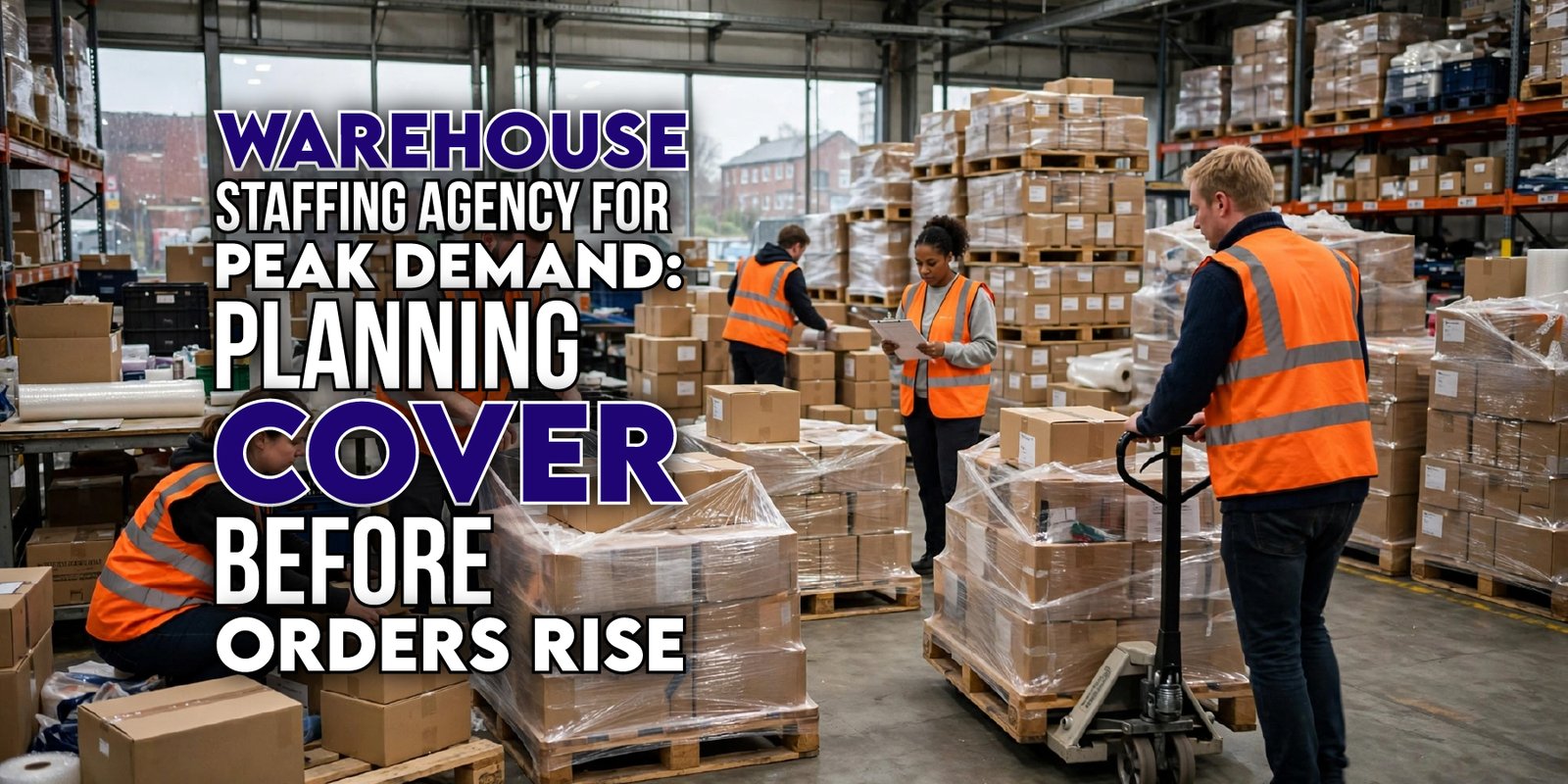
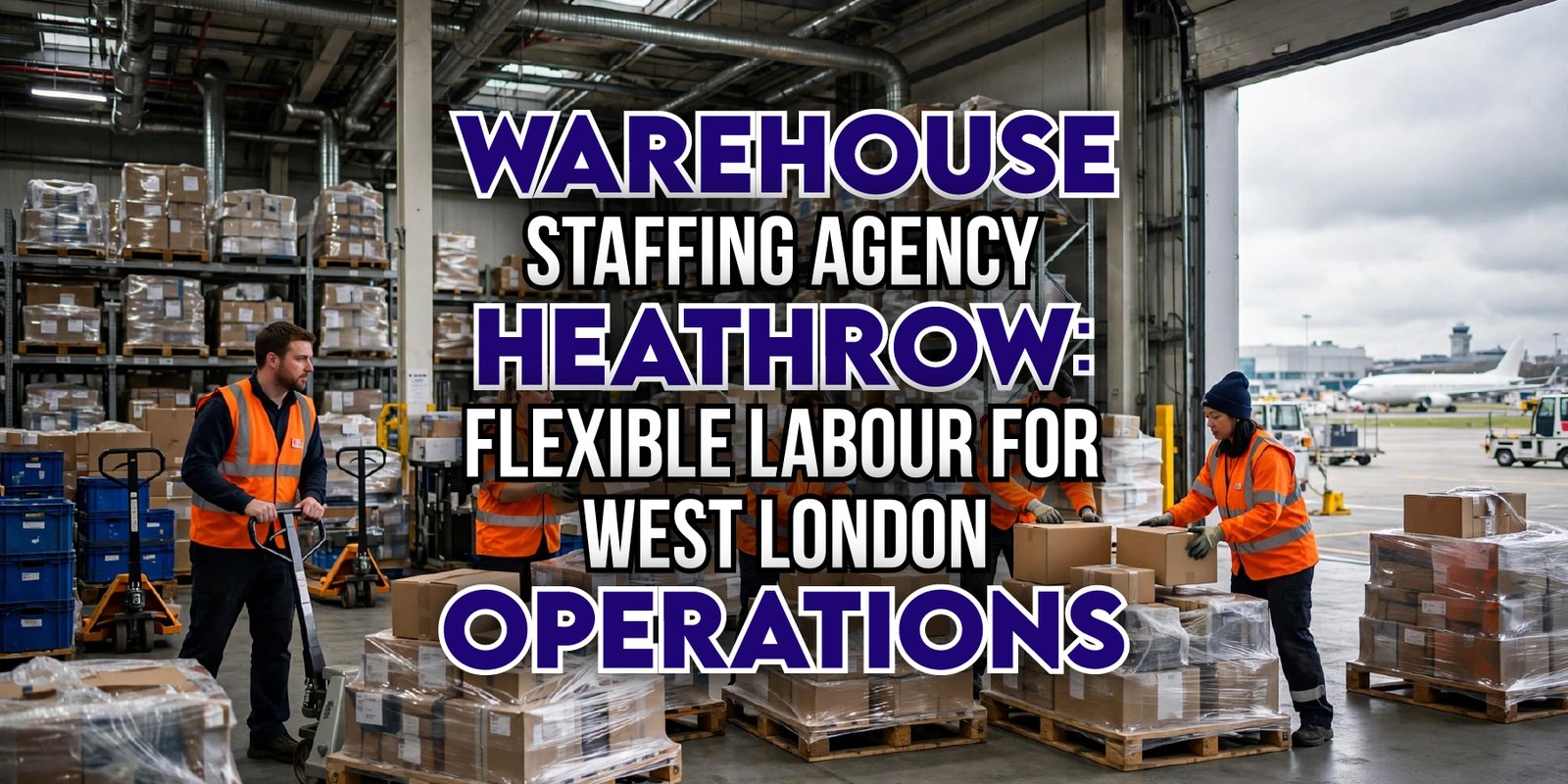
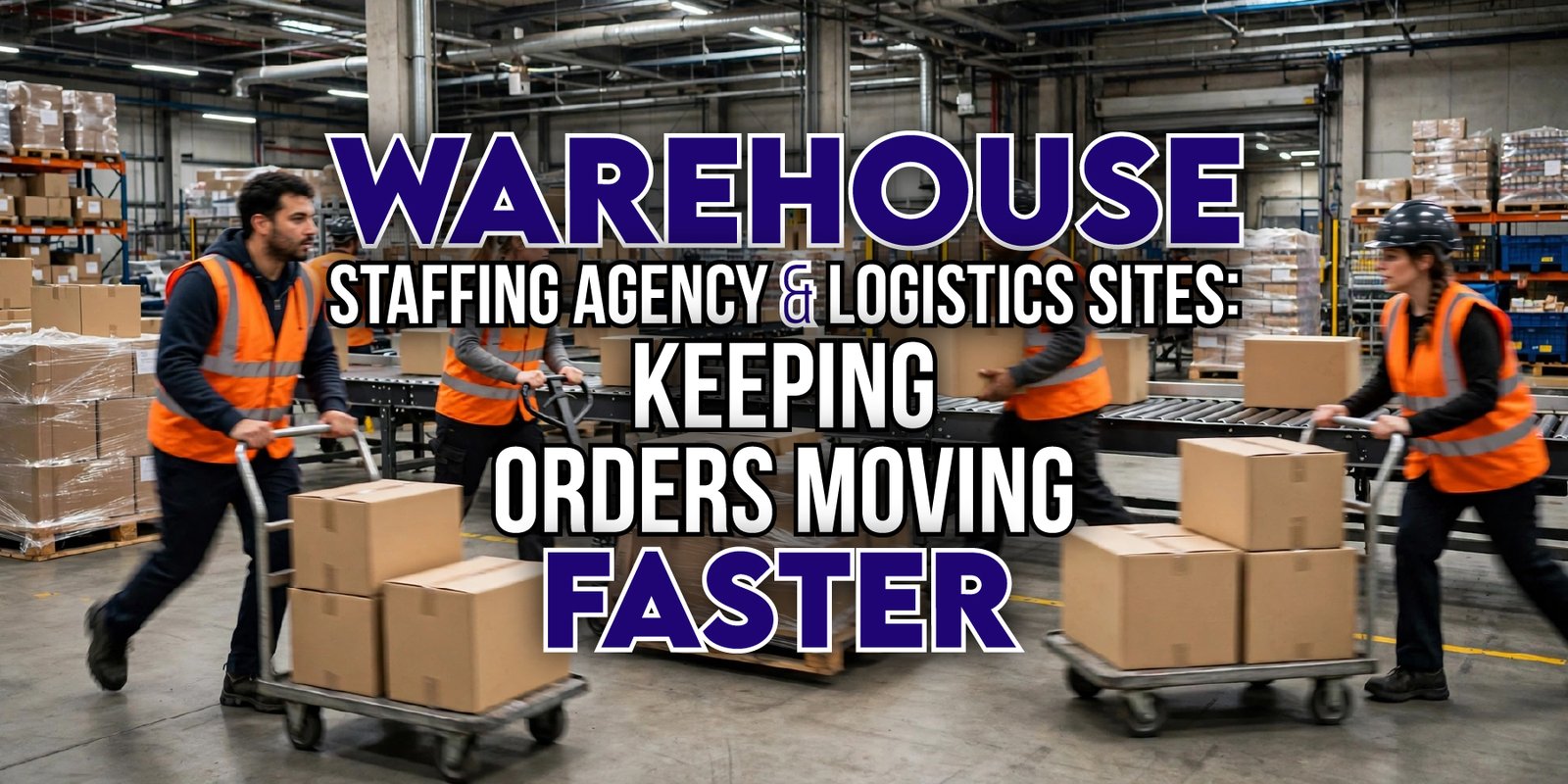
For example, a warehouse may bring in temporary workers during busy periods to handle increased orders. Once demand stabilises, staffing levels return to normal.

Temporary staffing focuses on speed, flexibility, and volume. It allows businesses to respond quickly without long-term commitments.


What Contract Staffing Means

Contract staffing involves hiring professionals for a defined period to complete specific tasks or projects. These roles often require specialised skills or expertise.

Contract staff are typically used for:

For example, a company implementing a new system may hire a contract specialist to manage the project. Once completed, the contract ends.

Contract staffing focuses more on expertise, continuity, and defined outcomes rather than short-term operational support.


Temporary Staffing vs Contract Staffing Explained Clearly

The key difference lies in purpose, duration, and skill level.

Temporary staffing supports short-term operational needs. Contract staffing supports defined projects or specialist roles.

Core Differences at a Glance

Understanding these differences helps businesses choose the right approach for each situation.


When Temporary Staffing Is the Better Option

Temporary staffing works best when businesses need immediate support without long-term commitments.

Ideal Use Cases

For example, a logistics company during peak delivery periods may require additional warehouse staff quickly. Hiring permanent employees would increase long-term costs unnecessarily.

Temporary staffing allows businesses to scale up and down as needed.

To explore how this model supports demand changes, review temporary staffing for peak workloads in the UK:
👉 https://1stworkforce.co.uk/temporary-staffing-peak-workloads-uk/


When Contract Staffing Is the Better Option

Contract staffing is more suitable when the business requires expertise or continuity for a defined period.

Ideal Use Cases

For example, a company upgrading its IT infrastructure may hire a contract specialist rather than a permanent employee.

Contract staffing ensures that the business gains the required expertise without committing to long-term employment.


Comparing Cost, Flexibility, and Business Impact

Choosing between temporary and contract staffing often comes down to business priorities.

Cost

Temporary staffing helps control costs by avoiding long-term commitments. However, contract staff may offer better value for specialised work.

Flexibility

Temporary staffing offers greater flexibility for short-term needs. Contract staffing provides structured support over a fixed period.

Speed

Temporary roles can be filled quickly. Contract roles may take longer due to skill requirements.

Business Impact

Temporary staff support daily operations. Contract staff contribute to strategic or technical outcomes.

Balancing these factors ensures that staffing decisions align with business needs.


Common Mistakes When Choosing Between the Two

Many businesses make avoidable mistakes when selecting a staffing model.

Using Temporary Staff for Specialist Roles

Temporary staffing is not always suitable for roles requiring expertise. This can lead to performance issues.

Hiring Contract Staff for Short-Term Tasks

Using contract staff for simple, short-term work may increase costs unnecessarily.

Ignoring Workforce Planning

Without planning, businesses often choose the wrong model under pressure.

Focusing Only on Cost

Cost matters, but quality and efficiency are equally important.

Avoiding these mistakes helps businesses maximise the value of their workforce.


How Staffing Agencies Help You Choose the Right Model

Staffing decisions become easier with the right support.

A professional staffing agency can:

Agencies understand market conditions and can match businesses with the right talent quickly.

To explore tailored solutions, review flexible staffing and recruitment services:
👉 https://1stworkforce.co.uk/services/

This support helps businesses stay agile and competitive.


Aligning Staffing Decisions with Business Goals

Staffing should always align with broader business objectives.

For example:

The key is to match staffing strategy with operational goals.

When aligned correctly, staffing becomes a driver of growth rather than a limitation.


Real-World Scenario: Choosing the Right Model

Consider a UK retail business preparing for peak seasons.

If the company hires permanent staff, it increases long-term costs. If it uses contract specialists, it may not address high-volume operational needs.

Instead, temporary staffing provides the right solution. Workers can be added quickly during busy periods and reduced when demand drops.

Now consider a business implementing a new system.

Temporary staff would not provide the required expertise. Contract staffing becomes the better option because it delivers specialised support.

The difference lies in purpose, not just availability.


Conclusion

Understanding temporary staffing vs contract staffing explained clearly allows businesses to make smarter workforce decisions.

Temporary staffing supports flexibility and operational demand. Contract staffing delivers expertise and project-based outcomes. Both models have value when used correctly.

The key is to choose based on your business needs, not assumptions. When aligned with strategy, the right staffing approach improves efficiency, controls costs, and supports sustainable growth.


FAQ Section

What is the difference between temporary and contract staffing?

Temporary staffing focuses on short-term operational support, while contract staffing is used for defined projects or specialist roles over a fixed period.

When should a business use temporary staff?

Temporary staff are ideal during peak demand, staff shortages, or short-term workload increases where flexibility is required.

What are contract employees in the UK?

Contract employees are hired for a specific period or project. They usually have specialised skills and work under defined terms.

Which is better, temporary or contract staffing?

Neither is better universally. The right choice depends on business needs, duration, and required skill level.

How do staffing agencies help with hiring decisions?

Staffing agencies assess business needs, provide suitable candidates, and recommend the best hiring model to improve efficiency and reduce risk.

Leave a Reply

Your email address will not be published. Required fields are marked *