Flexible Staffing: How Businesses Cover Demand Without Overhiring

flexible staffing

Written by

in

Flexible Staffing: How Businesses Cover Demand Without Overhiring

Order volumes rise, staff take annual leave, sickness affects rotas, and new contracts can create extra shifts before managers know whether demand will last. Hiring permanently for every short-term increase can leave a business carrying more fixed headcount than it needs later. Flexible staffing gives employers another way to match capacity to changing workload.

At 1st Workforce, we support employers that need temporary or permanent staffing across warehouse, factory, logistics, manufacturing and production environments. Flexible staffing works best when the business separates stable demand from temporary demand and gives the staffing provider a clear role, shift, location, headcount and start-date brief.

What Is Flexible Staffing?

Flexible staffing is a workforce model that lets employers adjust staffing capacity according to workload, seasonal demand, absences or short-term requirements. It often combines a stable permanent team with temporary personnel, contract support or seasonal cover instead of increasing permanent headcount whenever demand rises.

The right mix depends on the operation. CIPD describes workforce planning as balancing the number and skills of people available against what the organisation will need, which makes demand evidence more useful than a fixed headcount assumption.

Why Businesses Overhire

Overhiring often begins with a real operational problem. A busy month, new customer, product launch or repeated rota gap can make permanent recruitment feel like the obvious answer.

However, demand may fall once the peak passes. A variable staffing model gives employers time to test whether extra capacity is recurring before every increase becomes permanent headcount.

Common causes include reacting to one peak, hiring around seasonal volume, filling every rota gap permanently and failing to separate absence cover from genuine growth.

Why Understaffing Is Not the Answer Either

Avoiding overhiring does not mean running permanently below operational need. Chronic understaffing can increase overtime, leave shifts uncovered and place more pressure on supervisors and experienced team members.

The aim is appropriate capacity. A mixed staffing model should help the business cover genuine peaks while keeping enough stable people and skills for normal operations.

Flexible Staffing: Separate Core Demand from Variable Demand

A practical flexible staffing model starts by classifying demand before choosing the hiring route.

Demand TypeExampleStaffing ApproachWhat to Review
Core demandYear-round warehouse or production activityPermanent core teamStable roles and skills
Seasonal demandChristmas fulfilment or annual peakPlanned temporary coverDates, shifts and volume
Variable demandWeekly order changesRecurring temporary coverActual workload pattern
Unexpected demandSickness or sudden absenceShort-term coverRole, shift and urgency
Growth demandNew contract or extra lineTemporary support, then reviewWhether demand becomes consistent

Flexible Staffing for Growth Demand

Flexible staffing can be useful when a new contract, shift or service is promising but long-term workload is not yet proven. Temporary capacity can support the trial period while managers gather real demand data.

If the same role remains continuously required across several planning cycles, permanent recruitment may become more appropriate.

Flexible Workforce: Build Around a Stable Core Team

A flexible workforce usually combines permanent personnel for stable core duties with temporary or contract support for genuine peaks. This gives the operation continuity without assuming every increase is permanent.

For example, a warehouse may keep experienced supervisors and core operatives permanently while using temporary support for defined fulfilment peaks. A flexible workforce should therefore be designed around demand type, not around one preferred employment model.

Temporary Staffing for Short-Term Demand

Temporary staffing can suit seasonal peaks, annual leave, sickness, product launches, short projects, weekend work, night shifts and recruitment gaps. It adds capacity without immediately creating another permanent role.

Within flexible staffing, temporary assignments should still have clear duties, shift times, expected duration, induction and supervision. Candidate availability depends on the role, location, shifts, experience required and notice provided.

1st Workforce currently supports temporary requirements for seasonal demand, sickness, holiday cover, short-term projects and increased workloads, alongside permanent recruitment for longer-term roles.

Flexible Workforce Solutions for Seasonal Peaks

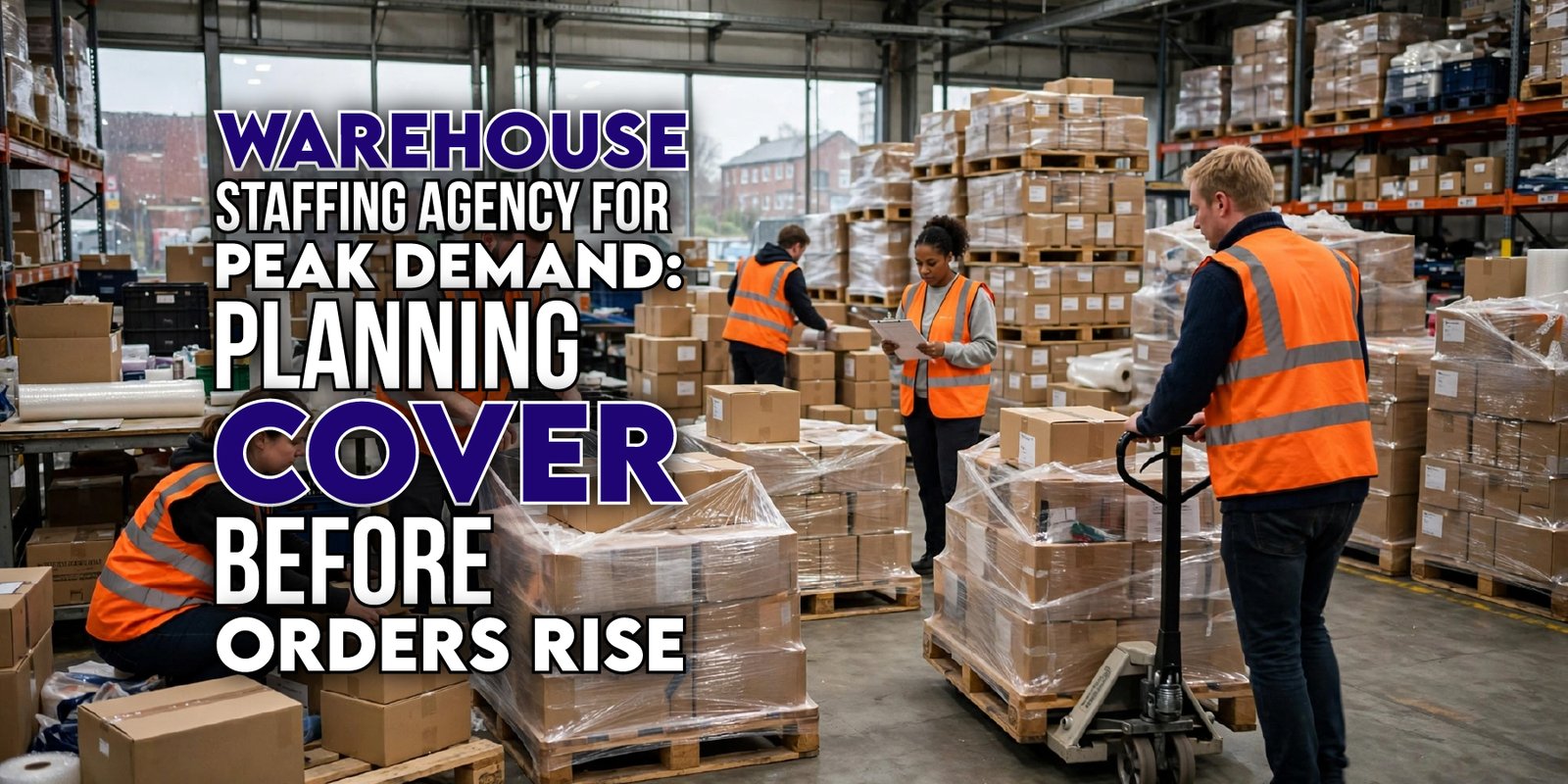
Flexible workforce solutions are particularly useful when demand rises at roughly the same time each year. Warehouses, logistics operations, food-production sites, packing teams and manufacturing environments can all experience predictable peaks.

Employers can prepare temporary capacity requirements using expected peak dates, previous order or production levels, required roles, headcount by shift, start date and assignment length.

CIPD recommends analysing current supply, future demand and the gap between them, then reviewing the plan as conditions change.

A second use of flexible workforce solutions is short micro-peaks caused by promotions, large orders, returns or customer deadlines.

Scalable Recruitment Solutions for Business Growth

Scalable recruitment solutions can help employers respond to growth without assuming every increase in activity requires an immediate permanent hire. They may suit new contracts, trial shifts, temporary project work or expanded operating hours while demand is still being tested.

The important question is whether the workload is temporary, variable or becoming permanent. A second use of scalable recruitment solutions is staged expansion, where headcount is reviewed after each phase.

How to Decide Whether a Role Should Be Temporary or Permanent

The hiring route should follow the workload. Flexible staffing may suit uncertain or time-limited demand, while permanent recruitment may suit stable duties expected to continue.

QuestionTemporary Staffing May SuitPermanent Recruitment May Suit
Is demand tied to a peak?YesLess likely
Is the role needed year-round?Possibly as interim coverOften
Is the requirement project-based?OftenIf it continues afterwards
Is the same shift repeatedly short?InitiallyIf the gap is structural
Is growth still being tested?OftenOnce demand is established
Does the role need long-term development?DependsOften stronger fit

How to Forecast Staffing Demand

Forecasting does not need to be perfect. Employers can improve flexible staffing decisions by reviewing historical order volume, production schedules, seasonal trends, holiday calendars, absence patterns, planned projects, contract start dates, overtime and vacancies.

CIPD describes workforce planning as an iterative process that uses current workforce information, future demand and gap analysis to shape action. Forecasts should therefore be reviewed rather than treated as fixed annual numbers.

Avoid Using Overtime as the Only Flexibility Tool

Overtime can solve a short gap, but repeated reliance on the same people may signal a capacity problem. Temporary cover provides another option when extra work lasts beyond isolated shifts.

Managers should review overtime frequency, fairness, availability and the roles creating repeated pressure. Persistent overtime may justify temporary cover, permanent recruitment or a different shift plan.

Flexible Staffing in Warehouses and Factory Operations

Warehouse and production environments can use flexible staffing differently because the duties are not interchangeable.

EnvironmentVariable Demand ExamplePossible Staffing UseEmployer Brief
WarehousePromotional fulfilment peakPickers, packers, warehouse operativesOrders, shift, equipment
LogisticsDispatch surgeOperational supportSite, hours, duties
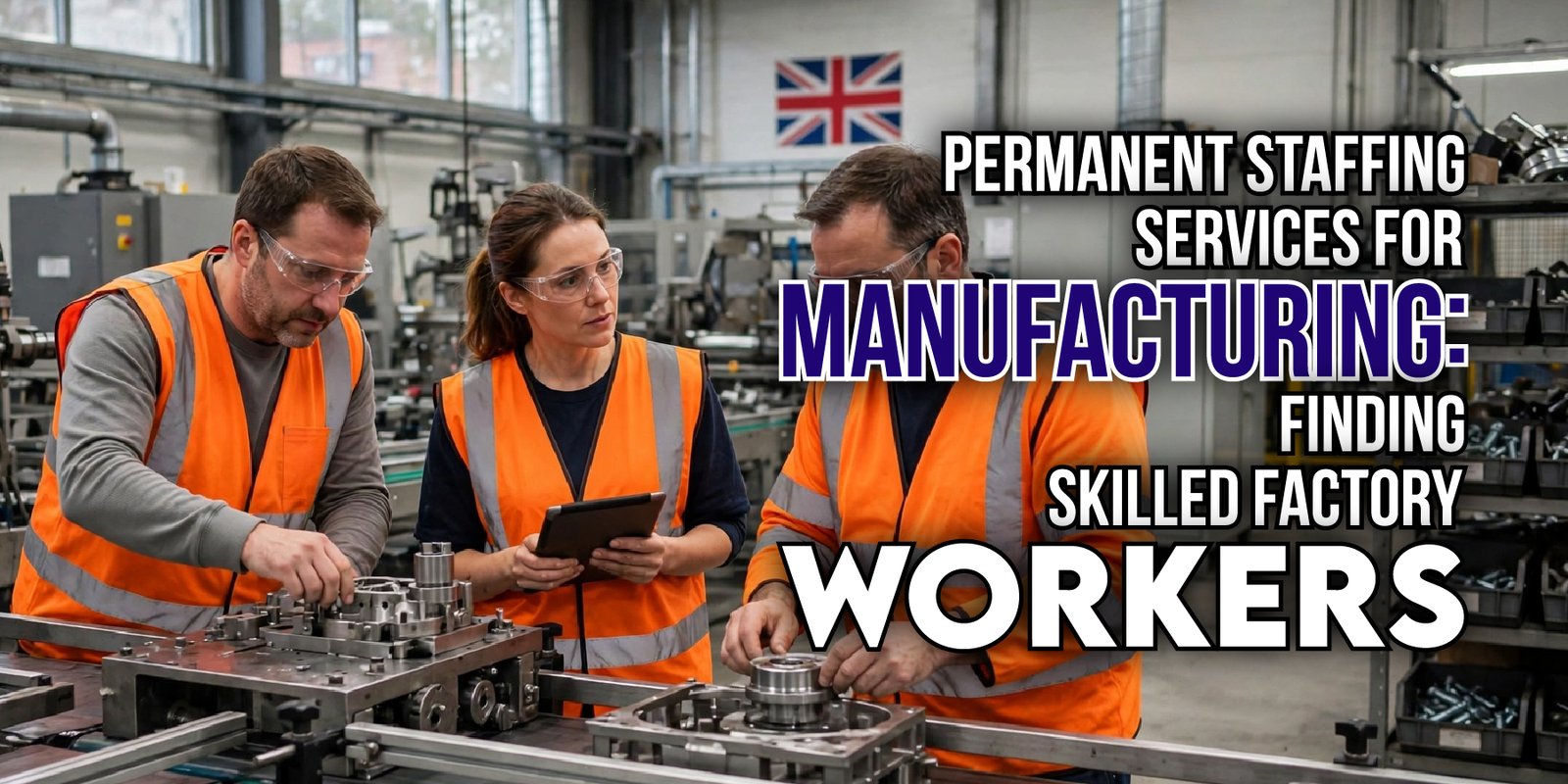
ManufacturingExtra production runProduction or machine operativesMachinery, experience, PPE
Food productionSeasonal volume increaseProduction personnel or packersHygiene, shift, site needs
Quality controlOutput increaseQuality-support personnelChecks and reporting

1st Workforce currently supports warehousing, manufacturing, logistics, food production, distribution, packing, fulfilment and quality-control requirements. Its role pages also list machine operatives, food-production personnel, packers and line-management roles.

How Flexible Staffing Can Support Workforce Stability

Temporary cover can reduce pressure on permanent teams during seasonal peaks, absence, recruitment gaps or temporary order increases. Flexible staffing may therefore support stability when the same core team would otherwise absorb every fluctuation.

However, temporary cover cannot fix unclear roles, poor management or persistent workplace problems. Our guide to reducing staff turnover covers onboarding, rota communication, supervision and retention in more detail.

How to Choose a Flexible Staffing Partner

Compare sector experience, role coverage, screening, shift understanding, communication, commercial terms and onboarding coordination. When reviewing providers for flexible staffing, check how they handle role matching, Right to Work processes, timesheets, notice and temporary versus permanent requirements.

FactorWhy It MattersWhat Employers Should Check
Sector experienceHelps with role understandingRelevant environments
ScreeningSupports matchingHow suitability is assessed
Shift understandingAffects candidate fitNights, weekends and rota
CommunicationRequirements changeUpdate and escalation process
Commercial termsRates are not the whole agreementTimesheets, notice, cancellation
Permanent recruitmentDemand may stabiliseWhether both models are supported

1st Workforce’s staffing solutions for operational employers resource recommends comparing agencies by process, screening, shift communication, charges and temporary or permanent capability rather than slogans.

How 1st Workforce Supports Flexible Staffing

At 1st Workforce, we support employers that need temporary or permanent personnel across warehouses, factories, manufacturing, production, logistics, food production, packing, fulfilment and quality-control environments. Current role pages include warehouse operatives, pickers and packers, machine operatives, food-production personnel, packers and line-management roles.

Our team reviews the role, site location, shift pattern, required headcount and preferred start date before discussing flexible staffing options. Employers can also explain PPE, induction and role-specific requirements through the quote process.

What Information Should You Give a Staffing Agency?

A precise brief turns a staffing strategy into a workable requirement.

RequirementWhy It MattersEmployer Detail
Role and dutiesSupports matchingActual tasks
Site locationAffects travelFull site/postcode
HeadcountDefines scalePeople per shift
Start dateShapes sourcingRequired date
Expected durationGuides planningEnd or review point
Shift patternAffects suitabilityStart, finish, nights, weekends
ExperienceFilters candidatesEssential requirements
PPE and inductionSupports onboardingSite-specific needs
ObjectiveClarifies modelTemporary or permanent

1st Workforce’s Get a Quote process asks employers for role, shift, location, headcount and start information, with PPE or induction requirements where relevant.

Discuss Your Staffing Requirement

Employers can share their role, site location, shift pattern, headcount, start date and expected duration with 1st Workforce. This gives the team a clearer basis for discussing flexible staffing, temporary cover or permanent recruitment.

Use the discuss your flexible staffing requirement route to provide the operational brief. Candidate availability, timing and rates depend on the specific requirement.

When Should Flexible Staffing Become Permanent Recruitment?

Flexible staffing should be reviewed when temporary demand stops behaving like a temporary requirement. Permanent recruitment may become more appropriate if the same duties remain continuously needed, stable shifts require core coverage or business growth becomes predictable.

Other signals include repeated assignment extensions and persistent gaps in baseline headcount. The staffing model should change when the evidence changes.

How to Measure Whether Your Staffing Model Is Working

A flexible staffing model should be monitored against filled shifts, unfilled shifts, overtime, vacancy duration, absence cover, temporary use by department, turnover, quality indicators and manager time spent solving rota gaps.

A high temporary headcount is not automatically a problem, and low temporary use is not automatically a success. The better question is whether staffing capacity matches real demand.

Common Flexible Staffing Mistakes

Avoid these common mistakes:

  • Hiring permanently for one temporary peak
  • Waiting until shifts are already empty
  • Using vague role descriptions
  • Ignoring seasonal patterns
  • Relying only on overtime
  • Leaving temporary assignments unreviewed
  • Changing shifts without informing the provider
  • Ignoring onboarding
  • Comparing agencies only by price
  • Treating all temporary personnel as interchangeable
  • Ignoring travel practicality for early or night shifts
  • Failing to track where headcount gaps occur
  • Adding permanent roles before growth is proven
  • Keeping temporary cover when core demand is clearly stable

Flexible Staffing Checklist

Use this flexible staffing checklist before changing headcount:

  • Identify core demand.
  • Identify seasonal demand.
  • Identify variable demand.
  • Review absence patterns.
  • Review overtime.
  • Forecast known peaks.
  • Define the required roles.
  • Confirm headcount by shift.
  • Confirm shift times.
  • Decide temporary or permanent.
  • Set expected assignment duration.
  • Prepare onboarding.
  • Define required experience.
  • Give reasonable notice where possible.
  • Compare staffing providers.
  • Review commercial terms.
  • Monitor filled and unfilled shifts.
  • Review temporary assignments regularly.
  • Move suitable long-term needs into permanent recruitment.
  • Update the staffing plan as demand changes.

Frequently Asked Questions

What is flexible staffing?

Flexible staffing adjusts staffing capacity to changing workload instead of relying entirely on fixed permanent headcount. A business may keep permanent personnel for stable core duties and use temporary or contract support for seasonal peaks, absence or short projects. The right mix depends on demand patterns, role requirements, shifts, location and longer-term business plans.

How does flexible staffing work?

Flexible staffing starts by separating stable demand from temporary or variable demand. Employers decide which roles need permanent continuity and which requirements can use temporary cover. The model should then be reviewed as workload changes. If a temporary requirement becomes consistent, permanent recruitment may become the better fit.

What is a flexible workforce?

A flexible workforce combines staffing models so the organisation can respond to changing demand. Permanent personnel may cover stable daily operations, while temporary or contract personnel support peaks, projects or absences. The model should still include clear roles, onboarding, supervision and workforce planning rather than simply adding people whenever workload rises.

What are flexible workforce solutions?

Flexible workforce solutions are staffing approaches used to match capacity with demand. They can include temporary assignments, seasonal cover, contract support and permanent recruitment when needs become stable. Employers should choose the model according to workload pattern, role, location, shifts, required experience and expected duration rather than using one approach for every department.

How can flexible staffing prevent overhiring?

Flexible staffing can reduce the need to make an immediate permanent hire when extra workload may be short-lived. Employers can cover a defined peak or trial period, monitor actual demand and then decide whether permanent headcount is justified. This does not guarantee lower costs; it supports a more evidence-based hiring decision.

Is temporary staffing part of flexible staffing?

Yes. Temporary staffing is one common part of a broader model. It can cover seasonal peaks, sickness, annual leave, temporary vacancies, short projects or changing order volumes. However, a strong flexible staffing plan also identifies which roles should remain permanent and when a temporary requirement has become a stable long-term need.

When should a temporary role become permanent?

A temporary role may justify permanent recruitment when demand stays consistent, the same duties continue across planning cycles, a shift needs stable core coverage or the business expects the workload to continue. Flexible staffing should include regular assignment reviews rather than allowing temporary arrangements to continue automatically.

How can warehouses manage seasonal staffing?

Warehouses can review previous order volumes, promotional calendars, returns, planned contracts and holiday periods before setting headcount by shift. Flexible staffing can then add picking, packing, fulfilment or other suitable capacity during defined peaks. Clear start dates, shift times, duties and reasonable notice make staffing discussions more precise.

How can factories cover production peaks?

Factories can compare planned production increases with existing shift capacity and identify which roles create the gap. Flexible staffing may support production, packing, machine or quality requirements where suitable personnel are available. Employers should explain actual duties, machinery, experience, PPE, induction and supervision needs.

How should employers forecast staffing demand?

Review historical workload, seasonal trends, planned projects, customer demand, holiday calendars, absence, vacancies, overtime and shift utilisation. Then compare available capacity with likely headcount and skills. Flexible staffing decisions improve when forecasts are updated regularly rather than treated as fixed annual numbers. CIPD recommends iterative workforce planning built around supply, demand and gap analysis.

Can flexible staffing reduce reliance on overtime?

It can provide another capacity option when overtime repeatedly covers peaks or absences. Flexible staffing does not automatically remove overtime, because occasional overtime may still be practical. However, persistent overtime can signal that the business should review temporary cover, permanent staffing, shift design and baseline headcount.

How can 1st Workforce support flexible staffing?

1st Workforce supports temporary and permanent staffing across warehouse, factory, manufacturing, logistics, production, food-production, packing, fulfilment and quality-control environments. For flexible staffing, employers can provide the role, site, shift, headcount and preferred start date so options can be discussed against the actual requirement. Availability depends on role, location, shifts and current demand.

Match Headcount to Real Demand

Effective flexible staffing separates stable work from seasonal, variable and unexpected demand. Keep core roles stable, forecast peaks, review overtime and use temporary support where the requirement is genuinely time-limited.

As demand becomes more predictable, revisit the staffing mix. Temporary staffing can cover changing workloads, while permanent recruitment may suit requirements that have become a lasting part of the operation.

Plan Staffing Around Your Actual Demand

Share your role requirements, site location, shift pattern, required headcount, start date and expected duration with 1st Workforce to discuss suitable temporary or permanent options. Use the share your staffing requirements with 1st Workforce route when you are ready to plan staffing around the demand your operation actually needs.

Comments

Leave a Reply

Your email address will not be published. Required fields are marked *