Author: Nisar Noorani

  • How Staffing Agencies Help Businesses Manage Short-Notice Demand

    Short notice staffing matters because UK businesses cannot afford slow hiring when demand changes quickly. Staff absence, late cancellations, warehouse pressure, event demand, industrial workloads and urgent shift gaps can affect productivity, service quality, delivery times and customer satisfaction. Therefore, businesses need a practical way to access workers before disruption spreads.

    A warehouse may need pickers and packers after a sudden order increase. Meanwhile, a hospitality venue may need extra staff for weekend demand. Likewise, a cleaning company may need urgent cover when a contract starts sooner than expected.

    Because of this, short notice staffing should not only be treated as emergency cover. With the right staffing agency, businesses can use urgent staff supply, temporary workers UK, agency recruitment and fast staff placement to protect operations when permanent teams cannot meet immediate demand.

    Quick Answer: What Is Short Notice Staffing?

    Short notice staffing helps businesses fill urgent shifts, cover staff absence, respond to sudden demand, manage peak periods and keep operations running when permanent teams cannot meet immediate workforce needs. It often supports warehouses, hospitality venues, events, logistics teams, cleaning contracts, industrial sites and temporary shift cover.

    General Guidance Note

    This article gives general business guidance only. It does not replace legal, HR or employment compliance advice. Where temporary workers UK, agency recruitment, right to work, pay, contracts or workforce compliance are mentioned, businesses should check current UK guidance or seek professional advice.

    Key Takeaways

    • Short notice staffing helps businesses respond quickly when labour demand changes.
    • Urgent staff supply can support absence, no-shows, warehouse peaks, events and seasonal demand.
    • Temporary workers UK need clear role details, shift times, induction and compliance awareness.
    • Fast staff placement works best when businesses provide accurate requirements early.
    • Agency recruitment can reduce hiring pressure when direct recruitment is too slow.

    What Is Short Notice Staffing?

    Short notice staffing means arranging workers quickly to cover immediate or near-term labour needs. Businesses use it when they need staff within days, the same week or sometimes before the next shift starts.

    It can support:

    • Warehouses
    • Logistics sites
    • Manufacturing floors
    • Industrial sites
    • Hospitality venues
    • Events
    • Cleaning contracts
    • Retail peaks
    • Construction support
    • Operations teams
    • Night shifts
    • Weekend demand
    • Sudden order increases
    • Temporary shift cover

    For example, a logistics site may need extra loaders after a delivery increase. Meanwhile, a hotel may need temporary workers UK for housekeeping or porter support during a busy period.

    As a result, short notice staffing gives businesses flexible labour when waiting for standard recruitment would take too long.

    Why Businesses Need Short Notice Staffing

    Businesses need short notice staffing because labour gaps can appear without much warning. One sickness call, one no-show or one sudden order can affect an entire shift.

    Common reasons include:

    • Staff sickness
    • No-shows
    • Seasonal demand
    • Urgent warehouse orders
    • Event peaks
    • Hospitality pressure
    • Industrial labour gaps
    • Cleaning contracts
    • Logistics demand
    • Production delays
    • Holiday cover
    • Last-minute rota problems

    For example, a manufacturing business may miss output targets if production workers are unavailable. Likewise, a hospitality venue may struggle to serve customers if weekend cover falls short.

    Therefore, short notice staffing helps businesses reduce pressure before gaps affect service levels, delivery schedules or customer satisfaction.

    How Staffing Agencies Help Manage Short-Notice Demand

    Staffing agencies help manage short-notice demand by connecting businesses with available workers who match the role, shift and sector. Strong agency recruitment also adds structure to urgent hiring.

    A staffing agency can support:

    • Urgent staff supply
    • Fast staff placement
    • Temporary workers UK
    • Agency recruitment
    • Candidate screening
    • Role matching
    • Shift confirmation
    • Communication
    • Timesheet process
    • Replacement cover where needed
    • Sector-specific staffing
    • Short-term and repeat staffing needs

    Short Notice Staffing for Role Matching

    The agency reviews the role, duties, experience level, location and shift pattern before confirming workers.

    Short Notice Staffing for Shift Confirmation

    Clear shift confirmation reduces confusion around start times, location, reporting lines and uniform or PPE needs.

    Short Notice Staffing for Repeat Demand

    If a business faces regular rota gaps, the agency can help plan repeat staffing rather than only reacting to emergencies.

    This structure makes short notice staffing more reliable than rushed, informal hiring.

    Urgent Staff Supply: When Do Businesses Need It?

    Urgent staff supply helps when a business has an immediate labour gap that could affect operations. It often works best when the role is clear and the business can brief workers quickly.

    Businesses may need urgent staff supply for:

    • Staff sickness
    • No-shows
    • Sudden order increases
    • Event demand
    • Seasonal peaks
    • Warehouse backlogs
    • Production pressure
    • Hospitality rushes
    • Cleaning contract cover
    • Night shifts
    • Weekend shifts
    • Last-minute rota gaps

    For example, a warehouse with a same-week dispatch backlog may need pickers and packers quickly. Meanwhile, an event organiser may need additional staff for setup, stewarding support or close-down.

    Because timing matters, short notice staffing should include clear communication between the business and the agency from the start.

    Temporary Workers UK: What Businesses Should Plan Before Hiring

    Before using temporary workers UK, businesses should prepare enough information for the staffing agency and the workers. This improves attendance, performance and compliance awareness.

    Businesses should prepare:

    • Role details
    • Shift times
    • Location
    • Site rules
    • PPE or uniform requirements
    • Induction process
    • Supervision arrangements
    • Timesheet process
    • Communication process
    • Health and safety requirements
    • Compliance awareness

    For example, an industrial site should explain manual handling requirements, PPE, reporting lines and break rules. Meanwhile, a hospitality venue should share uniform, guest-facing duties and arrival instructions.

    Therefore, short notice staffing works better when businesses prepare the basics before workers arrive.

    Fast Staff Placement: What Makes It Work?

    Fast staff placement works best when the business gives the agency accurate information. Vague requests slow the process, while clear requirements help the agency match workers more quickly.

    Fast staff placement needs:

    • Clear role requirements
    • Accurate shift information
    • Realistic notice
    • Correct location details
    • Required experience
    • PPE or uniform details
    • Site contact information
    • Clear reporting contact
    • Timesheet expectations
    • Induction notes

    For example, asking for “warehouse staff tomorrow” may not give enough detail. However, asking for “four pickers and packers, 8 am to 5 pm, manual handling required, hi-vis and safety boots needed, report to the shift supervisor” gives the agency a stronger brief.

    As a result, short notice staffing becomes faster and more practical.

    Short Notice Staffing for Warehouses and Industrial Sites

    Warehouses and industrial sites often need short notice staffing because orders, production schedules and delivery deadlines can change quickly.

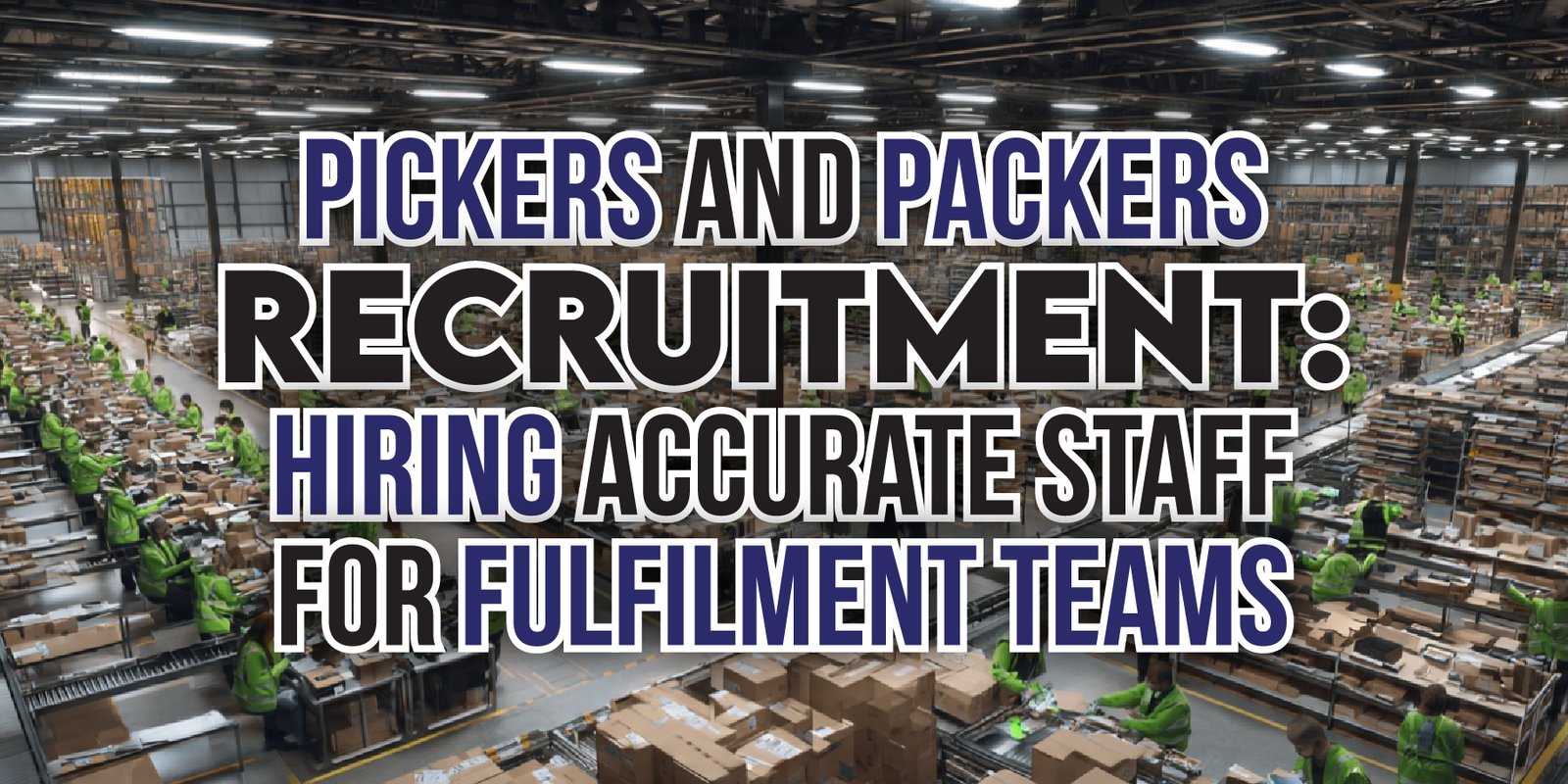
    1st Workforce explains industrial staffing solutions for businesses that need flexible industrial labour, temporary industrial workers and warehouse and production staff.

    Short notice staffing can support:

    • Warehouse operatives
    • Production workers
    • Pickers
    • Packers
    • Loaders
    • Logistics teams
    • Stock movement
    • Temporary industrial workers
    • Manufacturing support
    • Industrial staff cover

    For example, a fulfilment centre may need extra warehouse staff during a retail peak. Likewise, an industrial business may need temporary industrial workers when production pressure rises.

    This makes short notice staffing useful for businesses that need labour capacity quickly without waiting for longer recruitment processes.

    Short Notice Staffing vs Last-Minute Staffing

    Short notice staffing and last-minute staffing both help businesses cover workforce gaps, but they are not exactly the same.

    Short notice staffing usually means the business has limited time but can still plan the role, shift and worker requirements. Last-minute staffing often means the gap has already become urgent.

    1st Workforce has a last-minute staffing guide for businesses dealing with sudden absence, emergency staffing support and urgent shift cover.

    Staffing Situation What It Means Best For Planning Tip
    Short notice staffing Cover needed soon, but some planning time remains Same-week shifts and expected pressure Share requirements early
    Last-minute staffing Cover needed immediately or very urgently No-shows, sickness and emergency gaps Keep role details ready
    Planned temporary staffing Cover arranged in advance Seasonal peaks and events Forecast demand early
    Repeat agency cover Regular flexible labour support Ongoing shift gaps Review demand patterns

    Both options can help businesses cover urgent workforce gaps. However, stronger planning usually improves results.

    Agency Recruitment vs Direct Hiring for Urgent Demand

    Agency recruitment can help when direct hiring takes too long. However, businesses should choose the right approach based on urgency, role type and long-term demand.

    Hiring Option Best For Speed Level Flexibility Level Main Limitation Planning Tip
    Agency recruitment Urgent cover and flexible staffing Fast High Needs clear brief Use for short-term gaps
    Direct hiring Permanent long-term roles Slower Lower Takes more time Use for stable demand
    Temporary workers UK Seasonal or urgent shifts Fast High Needs induction Prepare site rules early
    Internal overtime Small temporary gaps Fast Medium Can increase fatigue Avoid overuse
    Mixed workforce Businesses with changing demand Balanced High Needs planning Combine permanent and agency support

    This table shows why short notice staffing often suits urgent demand better than direct recruitment.

    How to Request Short Notice Staffing Support

    To request short notice staffing, businesses should give the staffing agency a complete brief. This helps the agency understand the role and respond faster.

    The process should include:

    • Define the role
    • Confirm shift dates
    • Share start and finish times
    • Confirm site location
    • Explain required experience
    • Share PPE or uniform needs
    • Confirm reporting contact
    • Explain induction process
    • Agree timesheet process
    • Track attendance
    • Review future demand

    For example, a cleaning company should confirm the site, task list, shift time, access arrangements and supervisor contact. Meanwhile, a construction support role may need location details, PPE requirements and site induction information.

    Clear information makes urgent staff supply easier to manage.

    Short Notice Staffing Costs UK: What Affects the Price?

    Short notice staffing costs in the UK vary because each role, shift and sector has different requirements.

    Cost factors include:

    Role Type

    Warehouse, hospitality, industrial, cleaning and logistics roles may have different pricing.

    Skill Level

    Workers with specific experience may cost more than general labour.

    Number of Workers

    Larger bookings need more coordination.

    Shift Length

    Longer shifts increase total cost.

    Day or Night Work

    Night shifts may affect pricing.

    Weekend or Bank Holiday Demand

    Weekend and bank holiday shifts can increase costs.

    Location

    Worker availability and travel expectations can vary by area.

    Notice Period

    Shorter notice can make supply harder.

    Urgency

    Urgent requests may need faster coordination.

    Sector Requirements

    Some roles need specific skills, PPE or compliance steps.

    Compliance and Onboarding Needs

    More detailed onboarding can affect setup.

    Contract Length

    Repeat bookings and longer assignments may differ from one-off urgent cover.

    To understand the right cost, businesses should get a staffing quote based on the role, shift pattern, location and urgency.

    Need Staff Before the Next Shift Starts?

    If your next shift is at risk because of absence, order pressure or sudden demand, early action can reduce disruption.

    1st Workforce can support businesses that need short notice staffing, urgent staff supply, temporary workers UK, agency recruitment or fast staff placement support.

    You can request short notice staffing or speak to 1st Workforce about flexible staffing built around your shift patterns, sector and operational needs.

    Short Notice Staffing Checklist for Businesses

    Use this checklist before requesting short notice staffing.

    • Define the role clearly
    • Confirm how many workers you need
    • Confirm shift times
    • Share site location
    • List required experience
    • Confirm PPE or uniform needs
    • Prepare induction notes
    • Assign a site contact
    • Confirm timesheet process
    • Share health and safety requirements
    • Plan future workforce demand
    • Agree communication with the agency
    • Track attendance and performance
    • Request staffing support before shift gaps grow

    This checklist helps businesses use short notice staffing with more structure.

    Common Mistakes When Using Short Notice Staffing

    Asking Too Late

    The later you ask, the harder worker matching becomes.

    Not Defining the Role Properly

    Unclear duties can lead to confusion and weaker performance.

    Underestimating Worker Numbers

    Too few workers can still leave the shift under pressure.

    Ignoring Compliance Requirements

    Businesses should understand compliance requirements before workers start.

    Not Preparing Induction

    Temporary workers need site rules, reporting lines and safety information.

    Poor Communication With the Agency

    Weak communication can slow urgent staff supply.

    Choosing Only by Price

    Low-cost staffing may not meet role, timing or reliability needs.

    Forgetting Shift Patterns

    Night shifts, weekends and bank holidays need clear planning.

    Not Tracking Attendance

    Attendance tracking helps improve future placement quality.

    Ignoring Future Staffing Demand

    Repeated emergencies often signal a wider planning issue.

    Not Comparing Staffing Support Properly

    Compare role matching, communication, speed and reliability.

    Waiting Until Staff Absence Affects Operations

    Early support helps reduce operational disruption.

    Avoiding these mistakes makes short notice staffing more effective.

    How Short Notice Staffing Improves Workforce Flexibility

    Short notice staffing can help businesses improve workforce flexibility, reduce rota pressure, cover urgent demand and protect service levels.

    It supports:

    • Warehouse operations
    • Industrial labour gaps
    • Hospitality teams
    • Events
    • Cleaning contracts
    • Logistics pressure
    • Manufacturing output
    • Night shifts
    • Weekend demand
    • Sudden order increases
    • Temporary shift cover

    As a result, businesses can respond faster when workload changes. However, short notice staffing works best when companies prepare role details, induction notes and communication processes before the gap becomes critical.

    People Also Ask

    What is short notice staffing?

    Short notice staffing helps businesses fill urgent shifts, cover staff absence, respond to sudden demand, manage peak periods and keep operations running when permanent teams cannot meet immediate labour needs.

    How quickly can a staffing agency supply workers?

    A staffing agency may supply workers quickly when the role, shift time, location, skills, PPE needs and reporting contact are clear. Speed depends on worker availability, sector and notice period.

    What is urgent staff supply?

    Urgent staff supply means arranging workers quickly to cover sickness, no-shows, warehouse backlogs, event demand, production pressure, hospitality rushes or last-minute rota gaps.

    Are temporary workers UK suitable for short-notice demand?

    Temporary workers UK can suit short-notice demand when businesses provide clear role details, induction, supervision, site rules, timesheets and compliance awareness before the shift starts.

    How does agency recruitment help with urgent shifts?

    Agency recruitment helps urgent shifts by screening available workers, matching roles, confirming shift details, coordinating communication and helping businesses access flexible labour faster.

    How do I request fast staff placement for my business?

    Request fast staff placement by defining the role, worker numbers, shift times, location, experience requirements, PPE needs, induction process and reporting contact before speaking to a staffing agency.

    Conclusion

    Short notice staffing helps UK businesses respond when labour demand changes quickly. Staff sickness, no-shows, urgent orders, event peaks, warehouse pressure and industrial workloads can all affect productivity, service quality and delivery times.

    With urgent staff supply, temporary workers UK, agency recruitment and fast staff placement, businesses can cover workforce gaps more confidently. However, the best results come from clear role details, realistic shift planning, proper induction and strong communication with the staffing agency.

    For warehouses, logistics sites, manufacturing floors, hospitality venues, events and cleaning contracts, short notice staffing can protect operations before urgent demand creates wider disruption.

    Cover Urgent Demand Before It Disrupts Operations

    Need short notice staffing for warehouse shifts, industrial cover, hospitality teams, events, cleaning contracts, logistics support, or urgent rota gaps? Request a quote from 1st Workforce today and get staffing support built around your shift patterns, demand, and operational needs.

    Whether you need urgent staff supply, temporary workers UK, agency recruitment, fast staff placement or repeat flexible staffing, 1st Workforce can help you prepare before staffing pressure affects the next shift.

  • Agency Workers: What Businesses Should Know Before Hiring

    Agency workers can help UK businesses cover staffing gaps, seasonal demand and urgent shifts without immediately hiring permanent employees. However, businesses should understand how agency workers fit into daily operations before hiring. Unclear staffing needs, weak planning, poor communication, last-minute shift gaps and compliance confusion can affect productivity, customer service, operational flow and workforce costs.

    Warehouses may need extra pickers and packers during order peaks. Hospitality venues may need support for busy weekends. Meanwhile, cleaning companies, logistics firms, events teams and manufacturing sites may need flexible workers when demand changes quickly.

    Because of this, agency workers should form part of a planned staffing approach, not just an emergency fix. With the right agency partner, businesses can access temporary agency staff, improve rota cover and support workforce compliance more confidently.

    Quick Answer: What Are Agency Workers?

    Agency workers are supplied through an employment agency or staffing provider to help businesses cover temporary labour needs, shift gaps, seasonal demand, urgent absence, warehouse peaks, event staffing, hospitality pressure and flexible workforce requirements. They give businesses short-term staffing capacity without immediately committing to permanent recruitment.

    General Guidance Note

    This article gives general business guidance only. It does not replace legal advice. Where employment agency rules, worker rights, pay, holiday entitlement, working time or compliance responsibilities are mentioned, businesses should check current UK government guidance or seek advice from a qualified professional.

    Key Takeaways

    • Agency workers help businesses cover shift gaps, absence, seasonal peaks and urgent labour needs.
    • Temporary agency staff can support warehouses, logistics, hospitality, events, cleaning, manufacturing and construction.
    • Employment agency rules and workforce compliance need careful attention before and during assignments.
    • Flexible workers work best when businesses define roles, shifts, site rules and communication clearly.
    • Workforce planning helps businesses use agency workers strategically instead of rushing last-minute hiring.

    What Are Agency Workers?

    Agency workers are workers supplied by an employment agency, staffing agency or recruitment provider to work temporarily for a hiring business. The agency usually handles the supply arrangement, while the business receives labour support for specific shifts, roles or periods.

    Agency workers may support:

    • Warehouses
    • Logistics sites
    • Manufacturing floors
    • Hospitality venues
    • Events
    • Cleaning contracts
    • Retail peaks
    • Construction support
    • Operations teams
    • Temporary shift cover
    • Seasonal workforce demand
    • Businesses testing labour demand before permanent hiring

    For example, a warehouse may need agency workers for picking, packing and loading during a sales period. Meanwhile, a hotel may need temporary agency staff for housekeeping, portering or public area support.

    Therefore, agency workers give businesses practical flexibility when demand changes faster than internal recruitment can respond.

    Why Businesses Use Agency Workers

    Businesses use agency workers because staffing demand does not always stay steady. A company may run smoothly one week and then face sickness, holiday leave, sudden orders or event pressure the next.

    Common reasons include:

    • Staff absence
    • Seasonal peaks
    • Urgent shift cover
    • Warehouse demand
    • Event periods
    • Hospitality pressure
    • Cleaning contracts
    • Manufacturing output
    • Logistics demand
    • Recruitment delays
    • Workforce planning
    • Temporary project support

    For example, a manufacturing floor may need flexible workers when production increases. Likewise, a cleaning company may need cover for a new contract before permanent recruitment catches up.

    As a result, agency workers help businesses protect output, reduce rota pressure and keep operations moving during short-term demand changes.

    Agency Workers vs Temporary Agency Staff: Is There a Difference?

    The terms agency workers and temporary agency staff often describe similar arrangements. In everyday business language, both usually refer to people supplied through an agency to work for a hiring company on a temporary or flexible basis.

    However, businesses should still understand:

    • The worker’s role
    • Assignment details
    • Start and finish times
    • Required skills
    • Pay and working time awareness
    • Site induction
    • Supervision
    • Health and safety requirements
    • Communication with the agency
    • Workforce compliance responsibilities

    Temporary agency staff may work one shift, several weeks, a seasonal period or a longer assignment. Meanwhile, agency workers may support several sectors depending on demand.

    Because details matter, employers should always confirm the role, assignment terms and site expectations before the worker starts.

    Employment Agency Rules: What Businesses Should Understand

    Employment agency rules can affect how businesses use agency workers, especially around assignment details, worker rights, pay, holiday awareness, working time and site responsibilities. Therefore, employers should avoid informal arrangements and keep communication clear.

    Businesses should understand:

    • General UK agency worker responsibilities
    • Assignment details
    • Pay and working time awareness
    • Holiday entitlement awareness
    • Health and safety responsibilities
    • Role clarity
    • Site induction
    • Supervision
    • Worker records
    • Communication with the agency
    • General compliance awareness
    • The need to verify current UK guidance

    For example, the agency and hiring business need clear information about the role, location, shift pattern and required experience. In addition, the business should prepare site rules and induction notes so agency workers understand how to work safely and effectively.

    Because employment agency rules can change, businesses should always check current official guidance or seek professional advice before making compliance decisions.

    Flexible Workers: When Do They Make Sense?

    Flexible workers make sense when a business needs labour support but does not yet need permanent headcount. They also help when demand changes from week to week.

    Flexible workers can support:

    • Seasonal demand
    • Staff absence
    • Short-term projects
    • Event periods
    • Warehouse peaks
    • Trial periods
    • Sudden order increases
    • Holiday cover
    • Night shifts
    • Weekend demand
    • Contract cleaning cover
    • Hospitality shifts

    For example, an event organiser may need temporary agency staff for setup, guest support and close-down. Meanwhile, a logistics company may need extra loaders during a temporary delivery peak.

    Therefore, agency workers work best when the business defines the role clearly and plans shifts before pressure becomes urgent.

    Workforce Compliance: Why Planning Matters

    Workforce compliance helps businesses manage agency labour responsibly and consistently. It also reduces confusion between the employer, agency and worker.

    Good workforce compliance should include:

    • Clear role descriptions
    • Working hour awareness
    • Site requirements
    • Induction notes
    • Health and safety information
    • Supervision arrangements
    • Timesheet process
    • Worker records
    • Escalation contacts
    • Communication with the agency

    For example, a warehouse operator should explain manual handling expectations, break rules, supervisor contacts and PPE needs before agency workers start. Likewise, a hospitality venue should explain uniform, arrival time, reporting line and customer-facing duties.

    Because of this, agency workers perform better when businesses combine flexibility with structure.

    Agency Workers for Warehouses and Logistics

    Warehouses and logistics sites often use agency workers because demand can rise quickly. Sales peaks, delivery pressure, seasonal demand and staff absence can all affect output.

    A warehouse staffing agency can help businesses access temporary warehouse staff, pickers, packers, loaders and logistics workers when hiring needs become urgent.

    Agency workers can support:

    • Warehouse operatives
    • Pickers and packers
    • Loaders
    • Goods-in teams
    • Goods-out teams
    • Logistics teams
    • Stock movement
    • Seasonal peaks
    • Urgent shift cover
    • Faster warehouse hiring

    For example, a fulfilment centre may need agency workers for warehouses during a retail campaign. Meanwhile, a distribution site may need temporary warehouse staff to manage loading pressure.

    Using warehouse staffing support can help businesses reduce delays and maintain shift coverage.

    How Workforce Planning Helps Businesses Use Agency Workers Better

    Workforce planning helps businesses use agency workers before staffing gaps become operational problems. Instead of hiring at the last minute, managers can forecast demand and prepare cover early.

    The workforce planning importance becomes clear when businesses face seasonal peaks, rota gaps, growth pressure or repeated absence.

    Good planning can help businesses:

    • Plan staffing demand
    • Reduce staffing gaps
    • Prepare for seasonal periods
    • Avoid rushed hiring
    • Use flexible workforce planning
    • Match agency workers to real workload
    • Reduce pressure on supervisors
    • Improve shift coverage
    • Support future growth

    For example, a hospitality venue can plan extra weekend staff before bookings increase. Likewise, a warehouse can use workforce planning for UK businesses to prepare for demand spikes.

    Therefore, agency workers become more effective when businesses use them strategically.

    Agency Workers vs Permanent Employees

    Agency workers and permanent employees both have value. However, they suit different business situations.

    Worker Type Best For Cost Consideration Flexibility Level Main Limitation Planning Tip
    Agency workers Short-term cover, peaks and urgent gaps Useful for flexible demand High Needs clear briefing Define shift duties early
    Temporary agency staff Seasonal projects and shift cover Varies by role and hours High May need induction Plan cover before demand rises
    Permanent employees Stable long-term roles Long-term salary and employment costs Lower Less flexible for sudden peaks Use for consistent workload
    Fixed-term staff Planned projects or defined periods Predictable for set duration Medium Less flexible than agency cover Match contract length to demand
    Mixed workforce Businesses with changing demand Balanced approach High Needs workforce planning Combine core staff with flexible cover

    This comparison shows why agency workers suit short-term staffing pressure, while permanent employees suit stable ongoing roles.

    How to Hire Agency Workers Through a Staffing Agency

    Hiring agency workers works best when the business gives the agency clear information. The more accurate the brief, the easier it becomes to match workers to the role.

    A practical hiring process includes:

    • Define the role
    • Confirm shift dates
    • Share location details
    • Confirm required skills
    • Explain site rules
    • Confirm PPE or uniform needs
    • Share induction requirements
    • Agree communication process
    • Confirm timesheets
    • Track performance
    • Review future staffing needs

    For example, a cleaning company should confirm site location, shift times, cleaning tasks, access instructions and uniform expectations. Meanwhile, a warehouse should confirm physical duties, equipment needs, shift supervisor and safety requirements.

    Clear instructions help agency workers arrive prepared and reduce first-shift confusion.

    Agency Worker Costs UK: What Affects the Price?

    Agency worker costs in the UK vary because roles, shifts and sectors differ. Businesses should compare staffing support by service scope, not only hourly rates.

    Cost factors include:

    Role Type

    Warehouse, hospitality, cleaning, logistics and manufacturing roles may have different rates.

    Skill Level

    Specialist or experienced workers may cost more than general labour.

    Shift Length

    Longer shifts usually increase total cost.

    Day or Night Work

    Night work may affect pricing.

    Weekend or Bank Holiday Demand

    Weekend and bank holiday shifts may cost more.

    Location

    Location can affect worker availability and travel expectations.

    Notice Period

    Last-minute requests may be harder to fill.

    Number of Workers

    Larger bookings need more coordination.

    Contract Length

    Longer assignments may differ from one-off shifts.

    Urgency

    Urgent requests can increase pressure on supply.

    Sector Requirements

    Some sectors require specific experience, PPE or training.

    Compliance and Onboarding Needs

    More detailed onboarding can affect planning and coordination.

    Before committing, businesses should get a staffing quote based on their role, shift pattern and operational need.

    Need Flexible Staff Before the Next Shift Gap?

    If your business regularly faces rota gaps, seasonal peaks or urgent absence, early planning can help you avoid last-minute pressure.

    1st Workforce can support businesses that need agency workers, temporary agency staff, warehouse staff, hospitality cover, event teams, logistics support, cleaning staff or manufacturing labour.

    You can request agency workers or get flexible staffing support from 1st Workforce before the next shift gap affects operations.

    Agency Workers Checklist for Businesses

    Use this checklist before hiring agency workers.

    • Define the role clearly
    • Confirm shift times
    • Decide how many workers you need
    • Check required experience
    • Confirm site location
    • Share health and safety requirements
    • Prepare induction notes
    • Confirm uniform or PPE needs
    • Agree timesheet process
    • Clarify reporting lines
    • Plan future workforce demand
    • Review workforce compliance requirements
    • Agree communication with the agency
    • Request a staffing quote before shift gaps grow

    This checklist helps businesses use agency workers with more structure and less confusion.

    Common Mistakes When Hiring Agency Workers

    Hiring Too Late

    Last-minute hiring reduces planning time and can limit worker availability.

    Not Defining the Role Properly

    Unclear duties can lead to poor performance and confusion.

    Underestimating Staffing Numbers

    Too few workers can still leave teams under pressure.

    Ignoring Workforce Compliance

    Businesses should understand workforce compliance before assignments begin.

    Not Planning Induction

    Agency workers need site rules, reporting lines and safety information.

    Poor Communication With the Agency

    Weak communication makes matching and shift management harder.

    Choosing Only by Price

    Low-cost staffing may not suit the role, timing or skill requirements.

    Forgetting Shift Patterns

    Night shifts, weekends and split shifts need clear planning.

    Not Tracking Performance

    Performance feedback helps improve future staffing supply.

    Ignoring Future Workforce Planning

    Repeated shift gaps often signal a planning issue, not just a staffing issue.

    Not Comparing Staffing Support Properly

    Compare role matching, communication, response and reliability.

    Waiting Until Staff Absence Affects Operations

    Early support helps reduce disruption.

    Avoiding these mistakes helps agency workers support operations more effectively.

    How Agency Workers Improve Staffing Flexibility

    Agency workers can help businesses improve flexibility, reduce rota pressure, cover short-term demand and manage workforce gaps more confidently.

    They can support:

    • Warehouse peaks
    • Hospitality shifts
    • Event staffing
    • Logistics support
    • Cleaning contracts
    • Manufacturing demand
    • Construction support
    • Retail busy periods
    • Seasonal labour needs
    • Short-term projects

    As a result, businesses can respond faster when workload changes. However, agency workers deliver the best results when businesses plan roles, induction, communication and compliance properly.

    People Also Ask

    What are agency workers?

    Agency workers are workers supplied by an employment agency or staffing provider to help businesses cover temporary labour needs, shift gaps, seasonal demand, absence and flexible staffing requirements.

    Why do businesses hire agency workers?

    Businesses hire agency workers to cover staff absence, warehouse peaks, events, hospitality shifts, cleaning contracts, manufacturing output, logistics demand and recruitment delays.

    What are employment agency rules in the UK?

    Employment agency rules in the UK cover areas such as assignment details, worker rights, pay awareness, working time, holiday entitlement, health and safety and compliance responsibilities. Businesses should check current official guidance.

    Are agency workers the same as temporary agency staff?

    Agency workers and temporary agency staff often mean workers supplied through an agency for temporary or flexible assignments. However, businesses should still confirm role details, responsibilities and compliance requirements.

    How can agency workers help warehouse businesses?

    Agency workers can help warehouse businesses cover picking, packing, loading, goods movement, seasonal demand, urgent shift gaps and faster warehouse hiring needs.

    How do I request agency workers for my business?

    You can request agency workers by defining the role, shift times, location, required skills, PPE needs, induction details and timesheet process before asking a staffing provider for support.

    Conclusion

    Agency workers help UK businesses manage changing labour demand without immediately committing to permanent hiring. They can support warehouse peaks, logistics pressure, hospitality shifts, cleaning contracts, manufacturing output, events and short-term workforce gaps.

    However, businesses should plan carefully before using temporary agency staff. Clear roles, proper induction, communication with the agency, workforce compliance awareness and realistic shift planning all matter.

    When businesses combine agency workers with strong workforce planning, they can reduce rota pressure, cover urgent gaps and maintain smoother operations during busy periods.

    Plan Your Agency Staffing Before Demand Increases

    Need agency workers for warehouse shifts, hospitality cover, event staffing, logistics support, cleaning contracts, or short-term workforce gaps? Request a quote from 1st Workforce today and get flexible staffing support built around your business demand, shift patterns, and operational needs.

    Whether you need temporary agency staff, flexible workers, warehouse staffing support or help planning future workforce demand, 1st Workforce can help your business prepare before staffing gaps grow.

  • Event Staffing Agency: Planning Reliable Teams for Busy Venues

    A reliable event staffing agency can help UK venues plan staff before busy dates turn into operational pressure. Stadiums, hotels, conference centres, exhibition halls, festivals and hospitality venues cannot rely on last-minute staffing decisions when guest numbers rise, queues build and event teams need clear direction.

    Poor staffing plans can affect guest experience, queue times, crowd movement, staff pressure, venue reputation and operational control. Therefore, event organisers need more than extra people. They need event stewards, event supervisors, temporary event staff and venue staffing support that match the event schedule, site layout and guest flow.

    The right event staffing agency helps venues prepare early, map staffing needs, reduce gaps and support busy periods with better structure. Whether you run corporate events, weddings, concerts, sporting events, product launches or exhibitions, proper planning can make the difference between a stressful event and a smoother operation.

    Quick Answer: What Does an Event Staffing Agency Do?

    An event staffing agency helps venues plan, organise and supply staff for busy events. It can provide event stewards, event supervisors, temporary event staff, guest direction teams, hospitality support, registration staff, cleaning support and back-of-house workers to help venues manage guest flow, shift cover and operational pressure.

    Key Takeaways

    • An event staffing agency helps venues prepare staff before busy dates.
    • Event stewards support guest movement, directions, queues and venue zones.
    • Event supervisors help organise temporary event staff during live operations.
    • Venue staffing support should match guest numbers, event type and site layout.
    • Better workforce planning reduces last-minute pressure and improves event delivery.

    What Is an Event Staffing Agency?

    An event staffing agency supplies temporary and flexible workers for venues, events and high-footfall operations. It helps event organisers cover key roles before, during and after an event.

    A good event staffing agency can support:

    • Stadiums
    • Concert venues
    • Conference centres
    • Exhibition halls
    • Hotels
    • Banqueting venues
    • Festivals
    • Sporting events
    • Corporate events
    • Product launches
    • Trade shows
    • Community events
    • Private events
    • Seasonal events
    • High-footfall venues

    The purpose is simple. An event staffing agency helps venues place the right people in the right areas at the right time. This can include entry points, guest direction zones, registration desks, hospitality areas, cleaning routes, back-of-house spaces and shift supervision points.

    However, event staffing should not only focus on numbers. Venues need people who understand punctuality, communication, customer-facing behaviour, shift instructions and supervisor reporting.

    Why Busy Venues Need Reliable Event Staffing

    Busy venues need reliable event staffing because event pressure grows quickly. One uncovered entrance point can create delays. One poorly briefed team can confuse guests. Meanwhile, weak supervision can leave temporary event staff unsure where to go or who to report to.

    A well-planned event staffing agency model helps venues manage:

    • Guest arrivals
    • Entry points
    • Queue flow
    • Information points
    • Venue zones
    • Hospitality support
    • Cleaning support
    • Back-of-house activity
    • Staff handovers
    • Shift changes
    • Event close-down

    For example, a conference centre may need registration staff, guest direction support and event supervisors. A stadium may need event stewards around arrival routes, seating zones and exits. Similarly, a hotel hosting a banqueting event may need temporary event staff, hospitality support, porters and cleaning teams.

    Because event demand changes from one booking to another, venues need flexible venue staffing support instead of relying only on a fixed internal team.

    What Roles Can an Event Staffing Agency Provide?

    A professional event staffing agency can provide several roles depending on the event type, guest numbers and venue layout.

    Event Staffing Agency Roles for Guest Flow

    Event stewards can support directions, queues, arrival points, venue zones and information areas. They help guests understand where to go and reduce pressure on internal venue teams.

    Event Staffing Agency Roles for Supervision

    Event supervisors help organise teams, manage shift handovers, report issues and keep temporary event staff aligned during busy periods.

    Event Staffing Agency Roles for Venue Support

    Temporary event staff can support registration desks, hospitality areas, back-of-house operations, cleaning routes, queue management and guest service points.

    Common roles include:

    • Event stewards
    • Event supervisors
    • Temporary event staff
    • Venue support staff
    • Queue management staff
    • Guest direction staff
    • Hospitality support staff
    • Cleaning support staff
    • Back-of-house support
    • Registration desk staff
    • Entry point support
    • Shift supervisors

    The best staffing plan depends on the venue, schedule, expected footfall and operational pressure points.

    Event Stewards: Why They Matter for Guest Flow

    Event stewards matter because guest flow affects the whole event experience. When guests arrive, they need clear directions, visible support and organised movement through the venue.

    Event stewards can help with:

    • Guest directions
    • Queue support
    • Entrance points
    • Information points
    • Venue zones
    • Seating routes
    • Arrival flows
    • Exit movement
    • Wayfinding support
    • Basic guest enquiries

    For example, an exhibition hall may need event stewards near registration desks, entrance lanes and main walkways. A concert venue may need support around queues, access points and busy movement areas. Likewise, a festival may need stewards across wider zones because guests move between stages, catering areas and facilities.

    A strong event staffing agency can help venues plan where event stewards should stand, when they should rotate and how they should communicate with supervisors.

    Event Supervisors: Keeping Teams Organised on the Day

    Event supervisors play a major role in keeping temporary teams organised. They help bridge the gap between venue managers and temporary event staff.

    Event supervisors can support:

    • Staff briefings
    • Shift handovers
    • Issue reporting
    • Team coordination
    • Break planning
    • Staff placement
    • Communication with venue managers
    • Guest flow updates
    • Role changes during the event
    • End-of-event close-down

    When venues use an event staffing agency, supervisors can help keep staff aligned with the event plan. This matters because busy venues often change quickly. A queue may build in one area. A registration desk may need extra support. A cleaning route may need more attention after a break period.

    Without event supervisors, venue managers may need to coordinate every worker directly. However, with the right supervision, managers can focus on wider event delivery.

    Temporary Event Staff for Flexible Venue Demand

    Temporary event staff help venues handle changing demand. Some events need a small team. Others need dozens of workers across different areas. Therefore, flexible event staffing helps venues scale support around each booking.

    Temporary event staff can help with:

    • One-off events
    • Seasonal schedules
    • Large bookings
    • Last-minute changes
    • High-footfall periods
    • Hospitality support
    • Registration support
    • Cleaning support
    • Back-of-house activity
    • Event setup and close-down

    A wedding venue may need extra staff for one weekend. A conference centre may need registration and guest direction support for a trade show. Meanwhile, a stadium may need large temporary event staff teams during sporting fixtures.

    Because demand changes, an event staffing agency gives venues a practical way to cover busy dates without permanently increasing headcount.

    Venue Staffing Support for Different Event Types

    Venue staffing support should match the type of event. A corporate conference does not need the same staffing structure as a festival, wedding or sporting event.

    Conferences

    Conferences often need registration desk staff, guest direction support, room monitors, event stewards and supervisors.

    Festivals

    Festivals need temporary event staff across wide areas, including guest flow zones, information points, cleaning support and hospitality areas.

    Sporting Events

    Sporting events may need event stewards, supervisors, entry point support, hospitality staff and guest direction teams.

    Concerts

    Concert venues need queue support, entry flow support, venue zone staff, cleaning teams and supervisors.

    Exhibitions

    Exhibitions often need registration staff, entrance support, wayfinding staff and back-of-house support.

    Weddings

    Weddings may need hospitality support, porters, event setup workers, guest direction staff and cleaning support.

    Corporate Events

    Corporate events need polished, organised staff who can support reception areas, guest arrivals, room changes and hospitality service.

    Hotel Events

    Hotel events may need waiters, porters, housekeepers, public area cleaners and front-of-house support.

    Community Events

    Community events often need flexible workers who can help with guest flow, information points and general venue support.

    Product Launches

    Product launches need reliable staff who can manage arrivals, registration, guest guidance and brand-sensitive event support.

    A skilled event staffing agency helps venues match staffing roles to event pressure points.

    How Workforce Planning Improves Event Staffing

    Workforce planning helps venues avoid last-minute staffing gaps. It also helps managers forecast staff numbers, map event schedules and prepare event supervisors before guest pressure builds.

    Venues can improve event workforce planning by reviewing:

    • Event calendars
    • Expected guest numbers
    • Entry and exit points
    • Busy arrival times
    • Hospitality needs
    • Cleaning schedules
    • Registration desk pressure
    • Break and handover times
    • Supervisor requirements
    • Backup staffing options

    This connects closely with workforce planning importance because busy venues need a clear business staffing strategy before demand increases.

    An event staffing agency can support this process by helping venues estimate staff numbers, identify key roles and plan temporary event staff before the event date.

    Event Staffing Agency vs Last-Minute Hiring

    Last-minute hiring can help in emergencies, but planned agency support usually gives venues more control.

    Staffing Approach Best For Speed Reliability Management Pressure Planning Tip
    Event staffing agency Planned events and busy venues Fast when planned early Stronger with clear briefing Lower Share event details early
    Last-minute hiring Sudden staff gaps Fast but less predictable Can vary Higher Use only when unavoidable
    Internal staff only Regular small events Medium Depends on team size Medium to high Avoid overstretching core teams
    Temporary event staff High-footfall or seasonal events Fast Strong with supervision Lower with planning Match roles to event zones
    Event supervisors Busy events with larger teams Medium Strong Lower Add supervisors for complex events

    An event staffing agency works best when the venue shares timings, guest numbers, role needs, site layout and briefing requirements early.

    What Warehouses Can Teach Venues About Fast Staffing

    Warehouses and venues may seem different, but both rely on fast staffing, shift cover and flexible workers during busy periods. A warehouse may need pickers, packers and dispatch staff quickly. A venue may need event stewards, supervisors and temporary event staff before a major booking.

    The same principles apply:

    • Identify the role gap early
    • Match workers to tasks
    • Use clear shift instructions
    • Plan supervisors
    • Track attendance
    • Prepare backup options
    • Review performance after the shift

    Venues can learn from warehouse staffing agency support because fast temporary staffing support works best when employers prepare clear requirements before demand peaks.

    Similarly, an event staffing agency performs better when the venue provides accurate details about start times, roles, access points and guest flow.

    Need Event Staff Before Your Next Busy Date?

    If your venue has a conference, festival, wedding, match day, exhibition, concert or corporate event coming up, it is better to plan staffing before pressure builds.

    1st Workforce can help you review event roles, estimate temporary event staff numbers and plan event stewards, event supervisors and venue support workers around your schedule.

    To prepare your team, get an event staffing quote and speak to 1st Workforce about venue staffing support for your next busy date.

    Common Event Staffing Mistakes Venues Should Avoid

    Poor staffing decisions can create avoidable event pressure. A reliable event staffing agency can help venues avoid common issues, but planning still matters.

    Hiring Too Late

    Late hiring leaves less time for role matching, briefing and backup planning.

    Underestimating Guest Numbers

    If guest numbers rise, staffing pressure increases quickly.

    Not Planning Enough Supervisors

    Larger teams need event supervisors to keep workers organised.

    Poor Shift Briefing

    Temporary event staff need clear instructions, reporting points and role expectations.

    Weak Staff Communication

    Good communication helps teams respond when guest flow changes.

    Choosing Staff Only by Availability

    Availability matters, but experience, reliability and attitude matter too.

    Not Matching Roles to Experience

    Registration desks, hospitality support and guest direction may need different skills.

    Ignoring Queue Pressure

    Queues can affect guest experience, so venues should plan queue management staff early.

    Not Planning Breaks and Handovers

    Busy events need structured breaks and shift changes.

    Failing to Compare Event Staffing Options

    Venues should compare experience, role coverage, communication and planning support.

    Not Having Backup Staff Plans

    Backup support helps when absences or last-minute changes happen.

    Ignoring Workforce Planning

    Weak planning often causes repeated staffing gaps.

    Avoiding these mistakes helps venues get more value from an event staffing agency.

    Event Staffing Agency Checklist

    Use this checklist before booking venue staffing support.

    • Confirm event date and timings
    • Estimate guest numbers
    • Map entry and exit points
    • Identify key staff roles
    • Plan event stewards and supervisors
    • Confirm temporary event staff numbers
    • Share uniform and briefing requirements
    • Assign venue contact details
    • Plan breaks and shift handovers
    • Review transport and arrival times
    • Prepare backup staffing options
    • Request staffing support early
    • Review registration and guest direction needs
    • Confirm cleaning support requirements
    • Share site layout where possible

    This checklist helps venues work with an event staffing agency more effectively.

    How Agency Support Helps Busy Venues Run Smoothly

    An event staffing agency can reduce pressure on internal teams, improve event planning, support guest experience, cover staffing gaps and help venues run busy dates more smoothly.

    Agency support helps because it gives venues access to flexible workers without forcing permanent teams to cover every additional requirement. It also helps managers focus on delivery, guest experience and operational control instead of rushing to fill shifts.

    For busy venues, agency support can improve:

    • Guest direction
    • Arrival flow
    • Queue management
    • Shift reliability
    • Supervisor coordination
    • Back-of-house support
    • Hospitality areas
    • Cleaning support
    • Event setup
    • Close-down activity
    • Internal team workload
    • Event consistency

    When venues work with a suitable event staffing agency, they can prepare for high-footfall periods with more confidence.

    People Also Ask

    What does an event staffing agency do?

    An event staffing agency helps venues plan and supply event stewards, event supervisors, temporary event staff and venue support workers for busy events, guest flow, queues, entry points and operational support.

    When should a venue use an event staffing agency?

    A venue should use an event staffing agency when it expects high footfall, busy arrival times, seasonal demand, large bookings, staff gaps or temporary staffing needs for events.

    What roles do temporary event staff cover?

    Temporary event staff can cover event stewarding, guest direction, queue support, registration desks, hospitality areas, cleaning support, back-of-house tasks, entry point support and general venue support.

    Why are event stewards important?

    Event stewards support guest movement, directions, queues, information points, entrance areas and venue zones. They help guests move through the event with clearer guidance.

    What do event supervisors do?

    Event supervisors coordinate temporary event staff, manage shift handovers, report issues, support venue managers, organise breaks and keep teams aligned during busy periods.

    How early should venues plan event staffing?

    Venues should plan event staffing as early as possible once event dates, guest numbers and venue requirements become clear. Early planning helps reduce last-minute pressure and improves role matching.

    Conclusion

    A reliable event staffing agency helps UK venues plan event stewards, event supervisors, temporary event staff and venue staffing support before busy dates create pressure. This matters because poor staffing can affect guest experience, queue flow, staff workload, venue reputation and operational control.

    The best event staffing plans start with clear guest numbers, event timings, venue layout, role requirements and supervisor planning. They also use workforce planning to reduce last-minute gaps and help temporary event staff perform well on the day.

    Whether you manage a stadium, hotel, conference centre, exhibition hall, festival, sporting event, corporate venue or busy hospitality operation, an event staffing agency can help you build a reliable team around your event schedule.

    Plan Reliable Event Teams Before the Venue Gets Busy

    Need an event staffing agency for your venue, event space, conference, festival, or busy hospitality operation? Request a quote from 1st Workforce today and get venue staffing support built around your event schedule, shift needs, and guest flow.

    Whether you need event stewards, event supervisors, temporary event staff, hospitality support, cleaning support, registration staff or wider venue staffing support, 1st Workforce can help you plan before the venue gets busy.

  • How to Improve Shift Coverage Across Warehousing, Security and Hospitality

    Shift coverage can make or break daily operations. When rota gaps, sickness, no-shows, seasonal demand, poor workforce scheduling or slow hiring affect a shift, productivity, service quality, customer experience, site reliability and team morale can all suffer.

    In warehousing, weak shift coverage can slow picking, packing and dispatch. In security, uncovered posts can create site management problems. Meanwhile, in hospitality, missing staff can affect room turnaround, table service, guest flow and event delivery.

    Because of this, UK businesses need a practical plan before gaps become urgent. Better shift coverage helps employers reduce last-minute pressure, use temporary shift workers effectively and arrange agency staff cover when internal teams cannot fill every rota need.

    This guide explains how to improve shift coverage across warehousing, security, hospitality, industrial sites, facilities teams and events.

    Quick Answer: How Can Businesses Improve Shift Coverage?

    Businesses can improve shift coverage by reviewing rota gaps early, forecasting busy periods, planning backup workers, improving workforce scheduling and using agency staff cover before shifts become urgent. Temporary shift workers can help cover absence, no-shows, night shifts, weekend cover, seasonal demand and sudden workload increases.

    Key Takeaways

    • Shift coverage helps businesses keep essential roles filled across every shift.
    • Rota gaps often come from sickness, no-shows, holiday cover, poor scheduling and seasonal demand.
    • Temporary shift workers can support urgent gaps, busy periods and planned workload increases.
    • Agency staff cover helps reduce overtime pressure when internal teams become stretched.
    • Better workforce scheduling helps managers prevent repeat gaps before they disrupt operations.

    What Is Shift Coverage?

    Shift coverage means making sure the right number of suitable workers are available for each shift, role, site and department. It covers planned shifts, backup workers, emergency cover and flexible labour support.

    Good shift coverage answers practical questions:

    • Who needs to work each shift?
    • Which roles are essential?
    • What happens if someone calls in sick?
    • Where do rota gaps happen most often?
    • Do night shifts and weekend shifts have enough cover?
    • When should temporary shift workers support the team?
    • Do managers need agency staff cover before demand rises?

    For example, a warehouse may need pickers, packers, loaders and dispatch staff on every shift. A security company may need guards for gatehouses, patrol routes, receptions and night posts. Similarly, a hotel may need housekeepers, porters, waiters and front-of-house staff during peak service times.

    A strong shift coverage plan helps every sector keep operations moving.

    Why Shift Coverage Matters for UK Businesses

    Shift coverage matters because operational teams rely on people being in the right place at the right time. One missed shift can create pressure, but repeated gaps can damage performance.

    Better shift coverage can help businesses:

    • Reduce rota gaps
    • Improve service delivery
    • Keep sites running
    • Reduce overtime pressure
    • Improve staff morale
    • Support customer experience
    • Maintain productivity
    • Improve workforce scheduling
    • Support night and weekend cover
    • Reduce last-minute staffing stress

    Without proper shift coverage, managers often move staff from one area to another. However, this only shifts the problem. A warehouse may take workers away from goods-in to cover packing. A hotel may move front-of-house staff to support room service. A security supervisor may need to cover a post instead of managing the wider team.

    Therefore, shift planning should not rely only on last-minute fixes. It needs structure, backup options and reliable agency staff cover when internal teams reach capacity.

    What Causes Rota Gaps?

    Rota gaps appear when planned staffing levels do not match the workers available for a shift. Sometimes the cause is sudden. However, many rota gaps come from weak planning.

    Common causes include:

    Staff sickness

    Sickness can create immediate gaps, especially when roles need cover on the same day.

    No-shows

    No-shows create serious pressure because managers may only discover the issue when the shift starts.

    Holiday cover

    Annual leave can reduce staffing levels if managers do not plan cover early.

    Last-minute resignations

    A sudden resignation can leave several shifts uncovered while recruitment catches up.

    Poor workforce scheduling

    Weak scheduling can leave one shift overstaffed and another short.

    Seasonal demand

    Busy trading periods, festive demand, event seasons and holiday peaks can increase labour needs.

    Sudden workload increases

    Warehouses, logistics teams and hospitality venues often face spikes in workload.

    Event bookings

    Event venues may need more temporary shift workers when bookings increase.

    Warehouse order spikes

    Fulfilment, dispatch and picking pressure can grow quickly during promotional periods.

    Security site changes

    New posts, changing patrol patterns and additional access points can create extra cover needs.

    Hospitality peak periods

    Hotels, restaurants and venues often need extra staff during weekends, events and seasonal demand.

    Lack of backup workers

    Without backup staff, even one absence can disrupt the rota.

    Strong shift coverage starts by identifying which of these problems happens most often.

    How to Improve Shift Coverage Across Different Sectors

    Different sectors need different shift planning. However, the core process stays the same. Managers need accurate schedules, clear role requirements, backup workers and fast access to staff cover.

    Warehousing

    Warehouses need shift coverage for picking, packing, loading, goods-in, goods-out, dispatch and stock movement.

    Security

    Security businesses need cover for guarding posts, patrols, gatehouses, receptions, night shifts and weekend posts.

    Hospitality

    Hospitality venues need cover for housekeeping, front-of-house, waiters, porters, kitchen support, bar staff and event teams.

    Industrial sites

    Industrial sites need temporary shift workers for production, packaging, assembly, warehouse labour and urgent workload increases.

    Facilities teams

    Facilities teams need reliable cover for cleaning, maintenance support, portering and site services.

    Events and venues

    Event venues need temporary staff for guest flow, support roles, cleaning, hospitality and shift handovers.

    In each sector, better shift coverage helps managers avoid disruption and reduce pressure on existing teams.

    Shift Coverage for Warehousing and Logistics

    Shift coverage for warehousing and logistics supports order movement from goods-in to dispatch. If staff gaps appear, the whole process can slow down.

    Warehouse shift coverage supports:

    • Picking
    • Packing
    • Loading
    • Unloading
    • Goods-in
    • Goods-out
    • Dispatch
    • Stock movement
    • Fulfilment speed
    • Returns processing
    • Customer delivery expectations

    For example, a distribution centre may need extra pickers after a sudden order spike. A logistics operation may need loaders for night shifts. Meanwhile, a retail warehouse may need temporary shift workers before a weekend dispatch period.

    Better shift coverage can also reduce overtime. Instead of asking the same team to stay late repeatedly, managers can use agency staff cover when demand rises.

    Shift Coverage for Security Sites

    Shift coverage for security sites helps businesses maintain planned guarding posts and site routines. Security work often depends on exact shift times, clear handovers and reliable attendance.

    Security shift coverage can support:

    • Guarding posts
    • Reception points
    • Gatehouse cover
    • Patrol schedules
    • Night shifts
    • Weekend cover
    • Site access control
    • Retail park cover
    • Corporate building cover
    • Facilities-linked security roles

    If a guard calls in sick or a night post becomes uncovered, managers need a fast response. However, they also need the right person for the role. Therefore, workforce scheduling should include backup options for critical posts.

    For security companies and site managers, shift coverage protects service consistency and reduces pressure on supervisors.

    Shift Coverage for Hospitality Venues

    Shift coverage for hospitality venues affects customer experience directly. Guests notice slow service, delayed rooms, long queues and poor communication quickly.

    Hospitality shift coverage supports:

    • Hotels
    • Restaurants
    • Event venues
    • Housekeeping teams
    • Front-of-house staff
    • Porters
    • Catering teams
    • Bar staff
    • Public area cleaners
    • Weekend shifts
    • Busy service periods

    For example, a hotel may need extra housekeepers after high occupancy. A restaurant may need waiters for a fully booked evening. Likewise, an event venue may need temporary shift workers for guest support, cleaning and back-of-house roles.

    Better shift coverage helps hospitality managers maintain service levels without overloading permanent staff.

    Temporary Shift Workers: When Should Businesses Use Them?

    Temporary shift workers help businesses cover short-term labour needs without committing to permanent headcount too quickly.

    Businesses should use temporary shift workers when they need:

    • Short-term absence cover
    • Peak period support
    • Seasonal demand support
    • Emergency cover
    • Urgent workload support
    • Night shift cover
    • Weekend shift cover
    • Event support
    • Warehouse labour
    • Hospitality staff
    • Security support
    • Facilities support

    Temporary shift workers can also help when recruitment takes longer than expected. Instead of leaving rota gaps open, businesses can arrange agency staff cover while they continue hiring.

    When used properly, temporary shift workers improve shift coverage and protect existing teams from repeated overtime.

    Agency Staff Cover vs Internal Overtime

    Agency staff cover and internal overtime both help businesses manage staffing pressure. However, they suit different situations.

    Staffing Option Best For Speed Cost Consideration Risk Planning Tip
    Internal overtime Short, occasional gaps Fast Can rise if repeated Burnout and fatigue Use carefully
    Agency staff cover Regular gaps, urgent cover and busy periods Fast with planning Flexible cost model Needs clear briefing Share role details early
    Temporary shift workers Seasonal demand and short-term roles Fast Useful for changing demand Poor fit if rushed Match workers to roles
    Permanent hiring Stable long-term needs Slower Higher fixed cost Delays if started late Use for ongoing roles
    Mixed staffing model Businesses with changing demand Balanced Supports flexibility Needs planning Combine core staff with cover

    For many businesses, the best shift coverage strategy combines core staff, overtime when reasonable and agency staff cover when demand increases.

    How Workforce Scheduling Improves Shift Coverage

    Workforce scheduling improves shift coverage by helping managers understand labour demand before gaps appear.

    Good workforce scheduling helps businesses:

    • Forecast demand
    • Plan staffing levels
    • Reduce last-minute pressure
    • Manage holiday requests
    • Spot repeat rota gaps
    • Prepare backup workers
    • Plan night and weekend cover
    • Reduce overtime dependency
    • Assign supervisors properly
    • Track attendance and performance

    For example, if a warehouse sees repeat gaps on Monday night shifts, managers can plan backup workers in advance. If a hotel struggles with Sunday room turnaround, it can review housekeeping numbers earlier. Similarly, if a security site has repeat weekend absence, it can plan agency staff cover before the weekend arrives.

    This is why workforce scheduling sits at the centre of better shift coverage.

    How Last-Minute Staffing Supports Shift Coverage

    Even the best plans can face sudden changes. Sickness, no-shows, emergency leave and unexpected workload increases can still create urgent shift gaps.

    This is where last-minute staffing support can help. Businesses can use emergency shift cover when urgent gaps appear, especially if they need fast agency staff cover for the next shift.

    Last-minute staffing can support:

    • Same-day absence
    • No-shows
    • Emergency leave
    • Sudden workload increases
    • Short-notice hospitality cover
    • Warehouse fulfilment pressure
    • Security post cover
    • Event staffing gaps

    However, urgent support works best when the business already knows the role, location, start time, uniform or PPE needs and supervisor contact. Therefore, last-minute staffing should support shift coverage, not replace proper planning.

    How Flexible Labour Supports Industrial Shift Coverage

    Industrial and warehouse teams often face changing workload levels. Production deadlines, order spikes, dispatch pressure and seasonal demand can create sudden labour needs.

    Flexible labour helps businesses use temporary industrial workers, warehouse labour and agency staff cover when demand changes. Businesses can learn more from industrial staffing solutions when planning labour for busy operations.

    Flexible labour can support:

    • Factories
    • Manufacturing sites
    • Industrial sites
    • Warehouses
    • Distribution centres
    • Logistics teams
    • Production lines
    • Picking and packing
    • Loading and unloading
    • Dispatch pressure

    This approach improves shift coverage because managers can bring in labour support without permanently increasing headcount before they know long-term demand.

    Need Cover for Upcoming Shifts?

    If rota gaps keep affecting your warehouse, security site, hospitality venue, facilities team or industrial operation, it may be time to plan support before the next shift becomes urgent.

    1st Workforce can help businesses review shift needs, identify critical roles and arrange temporary shift workers or agency staff cover around real rota requirements.

    To prepare before pressure grows, request shift coverage support and speak to 1st Workforce about staffing support built around your shifts.

    Common Shift Coverage Mistakes Businesses Should Avoid

    Poor planning can turn small rota gaps into bigger operational problems. Avoid these common mistakes.

    Waiting until the shift starts to act

    If managers wait until the shift starts, they lose valuable time.

    Relying only on overtime

    Overtime can help occasionally. However, repeated overtime can increase fatigue and reduce morale.

    Not tracking repeat rota gaps

    Repeat gaps reveal planning problems. Track them by role, site, day and shift.

    Poor workforce scheduling

    Weak scheduling creates avoidable gaps and uneven workloads.

    Ignoring seasonal demand

    Seasonal pressure often follows patterns. Plan before demand rises.

    Choosing staff only by availability

    Availability matters, but role fit, reliability and communication matter too.

    Not briefing temporary shift workers properly

    Temporary workers need clear duties, location details, PPE requirements and supervisor contacts.

    Having no agency staff cover plan

    A cover plan helps managers respond faster when absence happens.

    Not planning for night or weekend cover

    Night and weekend shifts often need extra planning because cover may take longer to arrange.

    Not reviewing shift performance after cover has been arranged

    Review attendance, performance and fit after each cover shift.

    Failing to compare staffing options before busy periods

    Compare support options before pressure builds, not after the rota breaks.

    Avoiding these mistakes strengthens shift coverage and supports better workforce scheduling.

    Shift Coverage Checklist

    Use this checklist to review your shift coverage plan.

    • Review current rota gaps
    • Identify repeat absence patterns
    • Forecast busy periods
    • Confirm essential roles per shift
    • Plan backup workers
    • Review holiday requests early
    • Prepare temporary shift worker briefs
    • Confirm start times and locations
    • Share uniform or PPE requirements
    • Assign supervisor contact details
    • Review agency staff cover options
    • Track attendance and performance
    • Plan night shifts and weekend shifts
    • Review sector-specific busy periods
    • Compare staffing options before demand rises

    This checklist helps businesses move from reactive cover to planned staffing control.

    How Better Shift Coverage Protects Operations

    Better shift coverage can reduce overtime pressure, improve service delivery, support productivity, protect site reliability, improve customer experience and reduce pressure on managers.

    When shift plans work properly, businesses can:

    • Fill essential roles more consistently
    • Reduce last-minute rota stress
    • Improve team morale
    • Keep warehouses moving
    • Maintain security post cover
    • Support hospitality service
    • Improve customer response times
    • Reduce missed tasks
    • Protect operational continuity
    • Improve workforce planning

    Strong shift coverage also gives managers more confidence. Instead of spending every week chasing cover, they can focus on performance, service standards and long-term staffing improvements.

    People Also Ask

    What does shift coverage mean?

    Shift coverage means making sure the right workers are available for each shift, role and site so operations can continue without avoidable staffing gaps.

    How can businesses improve shift coverage?

    Businesses can improve shift coverage by reviewing rota gaps, improving workforce scheduling, planning backup workers, using temporary shift workers and arranging agency staff cover before busy periods.

    What causes rota gaps?

    Rota gaps can happen because of staff sickness, no-shows, holiday cover, last-minute resignations, poor workforce scheduling, seasonal demand and lack of backup workers.

    When should businesses use temporary shift workers?

    Businesses should use temporary shift workers during absence, seasonal demand, urgent workload increases, night shifts, weekend cover, event bookings and short-term labour gaps.

    How does agency staff cover help with shift gaps?

    Agency staff cover helps businesses fill rota gaps quickly by supplying temporary workers for urgent shifts, busy periods, absence cover and changing workload needs.

    Why is workforce scheduling important?

    Workforce scheduling is important because it helps businesses forecast demand, plan staffing levels, reduce last-minute pressure, manage holidays and spot repeat rota gaps early.

    Conclusion

    Shift coverage is essential for UK businesses that rely on shift workers across warehousing, security, hospitality, logistics, industrial sites, facilities teams and events. Rota gaps, sickness, no-shows, seasonal demand and weak workforce scheduling can quickly affect productivity, service quality, site reliability and team morale.

    The best approach combines planning and flexibility. Businesses should track repeat gaps, forecast busy periods, plan backup workers, brief temporary shift workers clearly and use agency staff cover when internal teams cannot meet demand.

    Whether your business needs warehouse staff, security post cover, hospitality support or industrial labour, stronger shift coverage can reduce overtime pressure, improve operations and help managers stay ahead of staffing problems.

    Keep Your Shifts Covered Before Rota Gaps Grow

    Need better shift coverage across warehousing, security, hospitality, or industrial operations? Request a quote from 1st Workforce today and get agency staff cover built around your rota, shift patterns, and business needs.

    Whether you need temporary shift workers, emergency shift cover, warehouse labour support, hospitality cover, security site support or flexible agency staffing, 1st Workforce can help you plan before rota gaps grow.

  • Hospitality Staffing UK: How Hotels and Venues Can Maintain Service Quality

    Hotels and venues cannot afford weak staffing. Staff shortages, absence, high occupancy, busy weekends, event bookings, slow service, poor room turnaround and weak shift planning can affect service quality, guest experience, reviews, revenue and team morale. Therefore, hospitality staffing plays a major role in helping UK hospitality businesses maintain consistent standards.

    In hotels, reliable room attendants help keep rooms ready on time. In restaurants, experienced waiters and waitresses help service run smoothly during busy periods. Meanwhile, event venues need flexible hospitality workers who can support guest flow, bar service, cleaning, portering and front-of-house activity.

    Poor staffing does not only affect one shift. Instead, it creates pressure across the whole operation. Managers spend more time covering gaps, permanent teams work harder, guests wait longer and service standards become harder to maintain.

    That is why hospitality staffing needs proper planning. With the right hospitality recruitment support, hotels, venues, restaurants and event spaces can cover essential roles, respond to busy periods and protect the customer experience.

    What Is Hospitality Staffing?

    Hospitality staffing means finding, supplying and managing workers for hotels, restaurants, venues, events, catering businesses and customer-facing hospitality operations.

    Hospitality staffing can include:

    • Room attendants
    • Housekeepers
    • Waiters and waitresses
    • Bar staff
    • Porters
    • Linen porters
    • Front-of-house staff
    • Reception support
    • Public area cleaners
    • Event staff
    • Venue support workers
    • Temporary hospitality workers

    A strong hospitality staffing plan helps businesses match the right people to the right shifts. It also helps managers avoid last-minute pressure when demand changes.

    For example, a hotel may need extra room attendants during high occupancy. A banqueting hall may need waiters and waitresses for a weekend event. Likewise, a conference venue may need porters, bar staff and public area cleaners during a large booking.

    In each case, hospitality recruitment should focus on reliability, presentation, communication, service standards and role suitability.

    Why Hospitality Staffing Matters for Hotels and Venues

    Hospitality staffing matters because service quality depends heavily on people. Guests notice slow service, unclear communication, messy public areas, late room readiness and poor front-of-house support.

    The right staffing plan helps businesses maintain:

    • Faster service
    • Better guest experience
    • Cleaner rooms and public areas
    • Stronger event delivery
    • Better table turnover
    • Shorter waiting times
    • More reliable shift cover
    • Better team morale
    • Stronger online reviews
    • Higher repeat bookings

    For hotels, room attendants directly affect room turnaround and guest satisfaction. If housekeeping teams fall behind, reception teams face complaints and check-in delays. Meanwhile, restaurants and event venues rely on waiters and waitresses to keep service professional, efficient and organised.

    Because of this, hospitality staffing should not sit at the bottom of the priority list. It should form part of a wider service quality plan.

    How Hospitality Staffing Helps Maintain Service Quality

    Good hospitality staffing helps hotels and venues protect the details that guests remember.

    Faster shift cover

    When absence or sudden demand creates a gap, flexible staffing helps managers cover essential roles quickly. This reduces pressure on permanent teams and protects service flow.

    Better guest experience

    Guests expect professional service. Reliable hospitality staff can greet customers, support bookings, respond to requests and keep the experience consistent.

    Reliable room attendants

    Room attendants play a key role in hotel performance. They help rooms stay clean, ready and prepared for incoming guests. Therefore, hotels should plan room attendant requirements before high occupancy periods.

    Waiters and waitresses for busy service periods

    Restaurants, hotels and event venues need enough waiters and waitresses during breakfast, lunch, dinner, banquets, conferences and private functions. Without enough service staff, queues grow and customer satisfaction drops.

    Event and venue staffing support

    Large events need more than one role. Venues may need bar staff, porters, stewards, cleaners, waiters and front-of-house support. A clear hospitality staffing plan helps keep the event organised.

    Reduced pressure on permanent teams

    If permanent staff constantly cover gaps, morale can fall. Temporary hospitality workers can support busy shifts and reduce burnout.

    Improved service consistency

    Consistent staffing creates consistent standards. Guests receive better service when teams know their roles and managers do not need to keep rearranging shifts.

    Better housekeeping support

    Hotels depend on housekeeping teams to maintain standards. Extra support during high occupancy helps avoid delays and complaints.

    Faster response during busy periods

    Hospitality businesses often face sudden changes. Because of this, flexible staffing can help managers respond before service quality suffers.

    Stronger hospitality recruitment planning

    Better hospitality recruitment gives employers more control. Instead of hiring in a rush, businesses can plan ahead, review gaps and work with a staffing partner before demand increases.

    Common Hospitality Staffing Challenges

    Many hotels, restaurants and venues face similar hospitality staffing challenges.

    Staff absence

    Sickness, emergency leave and no-shows can create urgent shift gaps.

    Last-minute shift gaps

    Last-minute gaps often force managers to move people around quickly, which can affect service quality.

    Busy weekends

    Hotels, restaurants and venues usually need extra support on Fridays, Saturdays and Sundays.

    Seasonal demand

    Holiday periods, summer events and festive bookings can increase staffing pressure.

    High hotel occupancy

    High occupancy means more rooms to clean, more guests to serve and more pressure on reception and housekeeping teams.

    Large event bookings

    Banquets, weddings, conferences and private events often need additional event staff.

    Shortage of room attendants

    A lack of room attendants can slow room turnaround and affect guest check-in times.

    Shortage of waiters and waitresses

    A shortage of waiters and waitresses can reduce service speed and affect customer experience.

    Slow hiring

    Slow recruitment can leave businesses short during important trading periods.

    Weak workforce planning

    Without planning, managers react too late and rely on rushed hiring.

    Poor staff reliability

    Unreliable workers create repeat gaps and increase pressure on supervisors.

    Pressure on existing teams

    When gaps continue, permanent staff often carry the extra workload.

    A strong hospitality staffing process helps businesses prepare for these challenges before they damage service quality.

    Hotel Staff Agency Support: When Does It Make Sense?

    A hotel staff agency makes sense when hotels need flexible, reliable and role-specific support. This can include room attendants, housekeepers, porters, reception support, public area cleaners, waiters and waitresses, and temporary hospitality staff.

    A hotel staff agency can help when:

    • Occupancy rises quickly
    • Room turnaround becomes difficult
    • Housekeeping teams need extra cover
    • Permanent staff take leave
    • Weekend demand increases
    • Events create extra pressure
    • Recruitment takes too long
    • Managers need temporary support
    • Service standards start slipping
    • Existing teams feel overstretched

    For hotels, hospitality staffing should protect the full guest journey. A guest may interact with reception, housekeeping, restaurant staff, bar staff and porters during one stay. Therefore, every staffing gap can affect the overall experience.

    A hotel staff agency can also help businesses plan ahead. Instead of waiting until rooms are not ready or service delays appear, managers can request hospitality recruitment support before busy periods begin.

    Hospitality Recruitment vs Last-Minute Hiring

    Hospitality recruitment and last-minute hiring both help businesses fill roles, but they work very differently.

    Staffing Approach Best For Speed Service Quality Impact Main Risk Planning Tip
    Hospitality recruitment Planned staffing needs Medium Strong when planned well Takes time if started late Start before peak demand
    Last-minute hiring Urgent gaps Fast Can vary if rushed Poor fit or weak briefing Use only when needed
    Temporary hospitality staffing Busy periods and absence Fast Supports service consistency Poor planning can limit results Share role details early
    Hotel staff agency support Hotels needing flexible cover Fast to medium Helps protect room turnaround Wrong agency may not understand standards Choose sector experience
    Long-term staffing plan Stable service quality Medium Strong impact Needs regular review Review monthly and before events

    A planned hospitality staffing strategy gives businesses better control than constant last-minute hiring. However, urgent cover can still help when absence or unexpected bookings create sudden pressure.

    What Employers Should Look for in Hospitality Staff

    Hiring hospitality staff requires more than checking availability. Employers should look for people who can represent the business professionally.

    Reliability

    Reliable staff help managers plan with confidence. If workers arrive on time and complete shifts properly, service becomes easier to manage.

    Punctuality

    Punctuality matters in hospitality because late arrivals affect service preparation, room turnaround and event setup.

    Customer service attitude

    Hospitality staff should communicate politely, remain calm and support guests professionally.

    Presentation standards

    Hotels and venues need staff who understand uniform, grooming and customer-facing standards.

    Communication skills

    Clear communication helps waiters and waitresses, room attendants, porters, reception teams and managers work together.

    Teamwork

    Hospitality teams rely on cooperation. Strong teamwork helps service continue smoothly during pressure.

    Shift flexibility

    Flexible staff can support evenings, weekends, events, early starts and seasonal demand.

    Experience in hotels or venues

    Experience helps workers adapt faster, especially in busy environments.

    Ability to work under pressure

    Hospitality staff must handle busy service, guest requests, complaints, room changes and event pressure calmly.

    Understanding of service standards

    Workers should understand that hospitality is about consistency, professionalism and guest care.

    A strong hospitality staffing partner should help employers assess these qualities before placing workers.

    Need Hospitality Staff Before Your Next Busy Period?

    Busy periods can arrive quickly, especially in hotels, venues, restaurants and event spaces. Waiting until the rota has gaps can increase stress, reduce service quality and put pressure on permanent teams.

    If you need room attendants, waiters and waitresses, porters, bar staff, public area cleaners, front-of-house support or temporary hospitality workers, 1st Workforce can help you plan practical staffing support.

    To prepare before demand increases, get a hospitality staffing quote and speak to 1st Workforce about flexible hospitality recruitment support for your hotel, restaurant or venue.

    Common Hospitality Hiring Mistakes Businesses Should Avoid

    Poor hiring decisions can affect service quality, reviews and team morale. Better hospitality staffing helps employers avoid common mistakes.

    Hiring too late

    Late hiring creates pressure and reduces the chance of finding suitable staff. Start before busy periods begin.

    Choosing staff only by availability

    Availability matters, but reliability, attitude and service standards matter more.

    Ignoring reliability checks

    Unreliable staff can create more problems than the original staffing gap.

    Poor onboarding

    Even experienced hospitality workers need clear instructions, reporting lines and shift expectations.

    Weak shift planning

    Poor shift planning can leave key roles uncovered during busy service periods.

    Not planning for busy periods

    Hotels and venues usually know when demand will rise. Therefore, they should plan staffing early.

    Underestimating room attendant needs

    Hotels should plan room attendants around occupancy, check-in times and housekeeping standards.

    Understaffing waiters and waitresses

    Restaurants and venues need enough waiters and waitresses to maintain service speed.

    Not using temporary hospitality staff when needed

    Temporary staff can support demand without forcing permanent teams to work excessive hours.

    Choosing the wrong staffing partner

    The wrong partner may not understand hospitality standards, shift pressure or service quality.

    Businesses can also review common hiring mistakes to avoid poor recruitment decisions and build stronger hospitality recruitment processes.

    Hospitality Staffing Checklist

    Use this checklist to review your hospitality staffing plan.

    • Review current staffing levels
    • Identify repeat shift gaps
    • Forecast busy periods
    • Plan room attendant requirements
    • Plan waiters and waitresses for service peaks
    • Review event schedules
    • Prepare temporary staff needs
    • Check hiring timelines
    • Improve onboarding
    • Review recruitment agency support
    • Track service quality issues
    • Review housekeeping pressure
    • Plan weekend staffing early
    • Prepare for seasonal demand
    • Request staffing support before demand increases

    This checklist helps hotels, venues and restaurants move from reactive hiring to better workforce planning.

    How Recruitment Agencies Help Hotels and Venues Hire Faster

    Recruitment agencies can help hotels and venues hire faster by giving access to available workers, reducing hiring delays and supporting urgent staffing needs.

    A strong agency can help with:

    • Candidate access
    • Availability checks
    • Temporary worker supply
    • Role matching
    • Replacement support
    • Faster shift cover
    • Hospitality recruitment planning
    • Support during busy periods
    • Reduced pressure on managers
    • Better workforce flexibility

    Businesses can learn more about how recruitment agencies help businesses hire staff faster when they need faster hospitality hiring support.

    For example, a hotel may need room attendants before a busy weekend. A restaurant may need waiters and waitresses after several absences. Meanwhile, a venue may need event staff for a confirmed booking.

    In each situation, hospitality staffing support helps businesses respond faster without relying only on internal hiring.

    How Better Hospitality Staffing Improves Long-Term Performance

    Better hospitality staffing improves more than one shift. It can strengthen service quality, guest satisfaction, room turnaround times, event delivery, team morale, productivity and long-term business performance.

    When staffing works properly, businesses can:

    • Serve guests faster
    • Prepare rooms on time
    • Reduce complaints
    • Improve event delivery
    • Reduce overtime pressure
    • Improve staff morale
    • Maintain brand standards
    • Increase repeat bookings
    • Improve operational confidence
    • Protect revenue during busy periods

    Good staffing also helps managers focus on service leadership instead of constant rota problems. Therefore, hospitality recruitment should support both short-term cover and long-term planning.

    A strong hospitality staffing process gives hotels and venues the flexibility to respond to demand while protecting the standards guests expect.

    People Also Ask

    What is hospitality staffing?

    Hospitality staffing means supplying workers for hotels, restaurants, venues, events and catering businesses. It can include room attendants, waiters and waitresses, porters, bar staff, cleaners and front-of-house support.

    Why is hospitality staffing important for hotels?

    Hospitality staffing is important for hotels because staff shortages can affect room turnaround, guest service, housekeeping standards, reception pressure, reviews and overall customer experience.

    How can hotels find reliable room attendants?

    Hotels can find reliable room attendants by planning staffing needs early, checking reliability, improving onboarding and working with a hotel staff agency that understands housekeeping standards.

    When should venues use temporary hospitality staff?

    Venues should use temporary hospitality staff during busy weekends, seasonal demand, large events, staff absence, last-minute bookings and short-term service pressure.

    How can a hotel staff agency help with hospitality recruitment?

    A hotel staff agency can help with hospitality recruitment by supplying room attendants, housekeepers, waiters and waitresses, porters, public area cleaners and temporary hospitality staff when demand increases.

    Conclusion

    Hospitality staffing is essential for hotels, venues, restaurants and event spaces that want to maintain service quality. Staff shortages, absence, high occupancy, event bookings and weak shift planning can quickly affect guest experience, reviews, revenue and team morale.

    A strong hospitality staffing plan helps businesses cover roles faster, support permanent teams, improve service consistency and prepare for busy periods. It also helps employers find room attendants, waiters and waitresses, porters, housekeeping teams, front-of-house staff and temporary hospitality workers when demand changes.

    However, the best results come from planning early. Hotels and venues should review shift gaps, occupancy patterns, event calendars, service quality issues and hiring timelines before pressure increases.

    If your hotel, restaurant or venue needs better hospitality recruitment support, now is the right time to review your staffing plan.

    Maintain Service Quality With Reliable Hospitality Staff

    Need reliable hospitality staffing support for your hotel, restaurant, or venue? Request a quote from 1st Workforce today and get hospitality recruitment support built around your shifts, service standards and busy periods.

    Whether you need room attendants, waiters and waitresses, porters, public area cleaners, bar staff, front-of-house teams, temporary hospitality workers or event staff, 1st Workforce can help you maintain service quality.

    If you want to prepare before demand increases, speak to 1st Workforce and request hospitality staff that fit your business needs.

  • Industrial Staffing Solutions: When Businesses Need Flexible Labour

    Industrial businesses need flexible labour when demand changes quickly. Staff shortages, production peaks, seasonal pressure, urgent orders, absence and slow recruitment can affect output, delivery times, productivity and team morale. Therefore, industrial staffing solutions have become essential for UK factories, warehouses, manufacturing sites, logistics teams and distribution businesses that need practical labour support.

    In industrial environments, one missing worker can affect more than one task. A shortage of production operatives can slow a line. A lack of warehouse labour can delay dispatch. Meanwhile, poor shift cover can increase overtime pressure and place extra strain on supervisors.

    That is why many businesses work with a factory staff agency or flexible staffing partner. With the right support, employers can access temporary industrial workers, cover labour gaps and keep operations moving without overloading internal teams.

    This guide explains when to use industrial staffing solutions, how flexible labour supports busy industrial sites and what employers should check before choosing a staffing partner.

    What Are Industrial Staffing Solutions?

    Industrial staffing solutions help businesses find flexible workers for manufacturing, warehouse, production, packaging, logistics and distribution roles. These solutions can support short-term gaps, seasonal peaks, urgent shifts, high-volume demand and planned workforce changes.

    Industrial roles may include:

    • Production operatives
    • Assembly workers
    • Warehouse labour
    • Picker and packer staff
    • Goods-in workers
    • Goods-out teams
    • Packaging staff
    • Loaders and unloaders
    • Fulfilment workers
    • Temporary industrial workers
    • Factory support staff
    • Distribution centre workers

    A strong provider of industrial staffing solutions understands that industrial hiring is not only about filling numbers. Workers need reliability, attendance, speed, accuracy, manual handling awareness, teamwork and the ability to follow site processes.

    For businesses with changing workloads, flexible labour can reduce the pressure created by urgent orders, staff absence and production deadlines.

    Why Businesses Need Flexible Labour in Industrial Roles

    Industrial operations often face demand changes that internal teams cannot always handle alone. A factory may receive a sudden order. A warehouse may enter a busy fulfilment period. A packaging site may need extra hands for a short contract. In these moments, industrial staffing solutions help businesses increase labour capacity quickly.

    Flexible labour helps businesses:

    • Respond to production peaks
    • Cover staff absence
    • Reduce overtime pressure
    • Support urgent orders
    • Improve shift coverage
    • Manage seasonal demand
    • Keep dispatch moving
    • Reduce pressure on supervisors
    • Avoid slow recruitment delays
    • Protect operational performance

    Without flexible staffing, existing employees often absorb the extra work. However, repeated overtime can damage morale, increase mistakes and reduce productivity. Therefore, industrial staffing solutions allow businesses to bring in support when workload rises.

    This approach also helps managers avoid panic hiring. Instead of rushing to recruit permanently for temporary pressure, employers can use temporary industrial workers while they review long-term demand.

    When Should Businesses Use Industrial Staffing Solutions?

    Businesses should use industrial staffing solutions when labour demand changes faster than internal recruitment can respond.

    Seasonal production peaks

    Seasonal demand can affect food manufacturing, packaging facilities, warehouses, retail distribution and fulfilment centres. Extra workers can help manage the increase.

    Staff absence

    Sickness, holiday leave and no-shows can create immediate labour gaps. Flexible staffing can reduce disruption.

    Urgent orders

    Manufacturing and logistics businesses often need extra workers when urgent orders affect production schedules.

    Temporary contracts

    Short-term contracts may not justify permanent hiring. Temporary industrial workers can support the workload until the project ends.

    Increased warehouse demand

    Warehouses may need extra picking, packing, loading and dispatch support when order volumes rise.

    Packaging or picking pressure

    Packaging and picking teams often face bottlenecks during busy periods. Flexible labour can help reduce delays.

    Manufacturing deadlines

    Production teams need enough workers to meet output targets. A factory staff agency can help when deadlines are tight.

    New product launches

    New product runs can create short-term staffing needs across assembly, packing and dispatch.

    Short-term labour gaps

    Temporary gaps can appear because of absence, turnover or delayed recruitment.

    Recruitment delays

    Direct hiring can take time. Industrial staffing solutions can bridge the gap while permanent recruitment continues.

    How a Factory Staff Agency Supports Production Teams

    A factory staff agency supports production teams by supplying workers who can help with assembly, packing, machine support, production lines, goods movement and general factory labour.

    A reliable factory staff agency can support:

    • Production operatives
    • Assembly workers
    • Packers
    • Warehouse labour
    • Shift cover
    • Temporary industrial workers
    • High-volume recruitment
    • Urgent staffing requirements
    • Seasonal production demand
    • Manufacturing support roles

    Production teams need workers who can follow instructions, work at the required pace and fit into existing processes. Therefore, a factory staff agency should understand shift patterns, site expectations, productivity requirements and basic workplace standards.

    Good industrial staffing solutions also reduce pressure on managers. Instead of spending too much time searching for workers, supervisors can focus on production quality, output and team coordination.

    Industrial Staffing Solutions for Warehouses and Logistics

    Industrial staffing solutions are especially useful for warehouses and logistics teams because workload can change quickly. E-commerce orders, retail peaks, delivery schedules and seasonal demand can all create labour pressure.

    Warehouse and logistics support may include:

    • Picking
    • Packing
    • Loading
    • Unloading
    • Dispatch
    • Goods-in
    • Goods-out
    • Fulfilment
    • Stock movement
    • Warehouse labour
    • Distribution support
    • Temporary logistics workers

    For example, a fulfilment centre may need extra warehouse labour during a sales campaign. A distribution centre may need temporary industrial workers to support loading and dispatch. Likewise, a logistics operation may need flexible staff when delivery volumes increase.

    When businesses use industrial staffing solutions, they can strengthen capacity without permanently increasing headcount too early.

    Temporary Industrial Workers vs Contract Staff

    Temporary industrial workers and contract staff both support flexible labour needs, but they suit different situations.

    Temporary industrial workers usually help with short-term cover, urgent shifts, absence, seasonal demand and sudden workload increases. Contract staff often suit longer planned periods, defined projects or fixed-term labour needs.

    Businesses can learn more about temporary staffing vs contract staffing when comparing different flexible staffing models.

    Temporary industrial workers

    Temporary industrial workers suit short-notice needs, peak demand, absence cover and temporary labour gaps.

    Contract staff

    Contract staff suit longer assignments, planned projects and fixed-term workload increases.

    Flexible agency workers

    Flexible agency workers help businesses respond when demand changes from week to week.

    Permanent recruitment

    Permanent recruitment suits stable long-term roles where workload is consistent.

    Choosing the right approach helps businesses avoid over-hiring while still protecting output.

    Industrial Staffing Solutions Comparison Table

    Staffing Option Best For Flexibility Speed Cost Consideration Planning Tip
    Temporary industrial workers Short-term cover and urgent shifts High Fast Useful for immediate gaps Use when demand changes quickly
    Contract staff Planned projects and longer periods Medium Medium Predictable for fixed-term needs Define project length clearly
    Flexible agency workers Changing weekly demand High Fast Helps control fixed costs Share forecasts with the agency
    Permanent recruitment Stable long-term roles Low to medium Slower Higher long-term commitment Use for ongoing core roles
    Hybrid staffing Businesses needing both stability and flexibility High Balanced Supports demand changes Combine core staff with flexible support

    This table shows why industrial staffing solutions should match the workload, not just the job title.

    Production Operatives: What Employers Should Look For

    Production operatives play an important role in factories, manufacturing sites, packaging facilities and assembly lines. The right workers can help maintain pace, quality and consistency.

    Employers should look for:

    Reliability

    Reliable attendance helps production managers plan shifts with confidence.

    Attendance

    Good attendance reduces disruption and helps protect output.

    Speed

    Industrial environments often require workers who can keep pace with production targets.

    Accuracy

    Accuracy matters because mistakes can affect quality, waste and rework.

    Manual handling awareness

    Workers should understand safe manual handling expectations and follow site guidance.

    Ability to follow instructions

    Production operatives must follow processes, supervisor instructions and site rules.

    Teamwork

    Factory and warehouse teams rely on cooperation across roles.

    Shift flexibility

    Flexible workers can support early shifts, late shifts, weekends and temporary demand.

    Experience in factory or warehouse settings

    Experience can help workers adapt faster, especially during busy periods.

    Understanding of production standards

    Production operatives should understand quality, cleanliness, pace and consistency.

    A strong provider of industrial staffing solutions should help employers identify workers who suit these requirements.

    Need Flexible Labour Before Your Next Busy Period?

    If your factory, warehouse, production site or logistics operation expects a busy period, it is better to prepare before pressure builds. Waiting until shifts are already short can increase overtime, delay output and reduce team morale.

    1st Workforce can help businesses review their staffing needs, identify labour gaps and plan flexible support before demand peaks.

    If you need support, request flexible labour support and speak to 1st Workforce about industrial staffing solutions built around your workload.

    How Recruitment Trends Are Changing Industrial Staffing

    UK recruitment is changing, and industrial employers now need more flexible workforce planning. Labour availability, candidate expectations, seasonal pressure and rising operating costs all affect how businesses hire.

    Current UK recruitment trends show why employers need faster hiring processes, flexible staffing support and stronger workforce planning. Industrial businesses cannot always rely on slow recruitment when order volumes change quickly.

    These trends increase the need for:

    • Temporary staffing support
    • Faster hiring processes
    • Flexible labour models
    • Better shift planning
    • Stronger candidate pipelines
    • Reliable agency partnerships
    • Seasonal workforce planning
    • Practical workforce forecasting

    As a result, industrial staffing solutions help employers respond to changing labour needs without committing to unnecessary permanent costs.

    Common Industrial Staffing Mistakes Businesses Should Avoid

    Hiring too late

    Late hiring creates pressure and reduces worker choice. Plan earlier whenever possible.

    Waiting until production slows down

    If output already drops, the business may lose time before staffing support arrives.

    Choosing staff only by availability

    Availability matters, but reliability, accuracy and attitude matter too.

    Ignoring reliability checks

    Unreliable workers can increase disruption instead of reducing it.

    Weak onboarding

    Temporary industrial workers still need clear instructions, site rules and supervisor guidance.

    Poor shift planning

    Weak shift planning can leave critical areas short of labour.

    Not planning for seasonal demand

    Seasonal demand is often predictable. Therefore, businesses should prepare early.

    Not using temporary industrial workers when needed

    Temporary staff can help prevent overtime pressure and bottlenecks.

    Underestimating warehouse labour requirements

    Warehouse labour needs can rise quickly during fulfilment peaks.

    Choosing the wrong staffing partner

    The wrong partner may not understand factory, warehouse, production or logistics demands.

    Avoiding these mistakes makes industrial staffing solutions more effective and commercially useful.

    Industrial Staffing Solutions Checklist

    Use this checklist before choosing flexible labour support.

    • Identify the exact labour gap
    • Confirm role requirements
    • Plan shift numbers early
    • Share location, start times and PPE needs
    • Define productivity expectations
    • Prepare supervisors for agency staff
    • Track attendance and performance
    • Review seasonal workforce needs
    • Compare temporary and contract staffing options
    • Speak to a staffing partner before demand peaks
    • Review overtime pressure
    • Check where production slows down
    • Match workers to the correct role
    • Review whether a factory staff agency can help
    • Plan backup support for urgent labour gaps

    This checklist helps businesses use industrial staffing solutions in a structured way.

    How Flexible Labour Protects Operational Performance

    Flexible labour can protect operational performance by helping businesses respond to pressure without overstretching internal teams.

    Industrial staffing solutions can help:

    • Reduce overtime pressure
    • Support production output
    • Improve fulfilment speed
    • Cover workforce gaps
    • Protect delivery schedules
    • Support warehouse labour needs
    • Improve shift reliability
    • Reduce supervisor pressure
    • Manage seasonal demand
    • Protect long-term operational performance

    For example, a factory may use production operatives to support a deadline. A warehouse may use temporary industrial workers during a dispatch peak. A logistics team may use flexible staff to handle loading and unloading pressure.

    In each case, flexible support helps businesses keep moving while avoiding unnecessary strain on permanent teams.

    People Also Ask

    What are industrial staffing solutions?

    Industrial staffing solutions help businesses access workers for factories, warehouses, production lines, packaging sites, logistics operations and distribution centres.

    When should businesses use industrial staffing solutions?

    Businesses should use industrial staffing solutions during production peaks, staff absence, urgent orders, seasonal demand, temporary contracts, warehouse pressure and recruitment delays.

    What does a factory staff agency do?

    A factory staff agency supplies workers such as production operatives, assembly workers, packers, temporary industrial workers and warehouse labour for industrial environments.

    What is the difference between temporary industrial workers and contract staff?

    Temporary industrial workers usually support short-term or urgent needs. Contract staff usually support longer planned assignments or fixed-term projects.

    How can flexible labour help warehouses?

    Flexible labour helps warehouses manage picking, packing, loading, dispatch, goods-in, goods-out, fulfilment and seasonal workload increases.

    Conclusion

    Industrial staffing solutions help UK factories, warehouses, manufacturing sites, logistics teams and distribution businesses access flexible labour when demand changes. They support production peaks, staff absence, urgent orders, seasonal pressure, temporary contracts and recruitment delays.

    A reliable factory staff agency can provide production operatives, warehouse labour, temporary industrial workers and flexible staff who help keep operations moving. However, businesses get the best results when they plan early, define role requirements clearly and choose the right staffing model.

    Whether you need temporary staff, contract staff, flexible agency workers or longer-term recruitment support, industrial staffing solutions can reduce overtime pressure, support output and protect operational performance.

    If your team feels stretched or your next busy period is approaching, now is the right time to review your labour plan.

    Build a More Flexible Industrial Workforce

    Need industrial staffing solutions for your factory, warehouse, production site, or logistics operation? Request a quote from 1st Workforce today and get flexible labour support built around your workload.

    Whether you need a factory staff agency, production operatives, warehouse labour, temporary industrial workers, flexible shift cover or warehouse and factory staff, 1st Workforce can help.

    If you want to manage busy periods without overloading your internal team, speak to 1st Workforce and build a more flexible industrial workforce today.

  • How to Cover Last-Minute Staff Absence Without Disrupting Operations

    Staff absence can create serious pressure when it happens close to shift time. Sickness, no-shows, emergency leave, seasonal pressure and sudden workload increases can affect productivity, service quality, fulfilment speed, team morale and customer satisfaction. Therefore, last minute staffing has become an important solution for UK businesses that rely on reliable shift cover.

    In warehouses, one missing picker or packer can slow order fulfilment. In hospitality, one absent waiter, housekeeper or porter can affect the guest experience. Meanwhile, event venues, cleaning teams, logistics operations and manufacturing sites often need urgent recruitment support when staff gaps appear without warning.

    The problem is not only the absence itself. Instead, the bigger issue often comes from the disruption that follows. Managers rush to rearrange rotas, supervisors move people away from key tasks, and existing employees may need to work harder to cover the gap.

    That is why businesses need a practical last minute staffing process. With the right temporary staff agency, employers can access emergency staff cover, shift cover solutions and flexible worker support without overloading the people already on site.

    What Is Last Minute Staffing?

    Last minute staffing means arranging workers at short notice to cover sudden staff gaps, urgent shifts or unexpected workload increases. It helps businesses keep operations running when internal teams cannot cover every role themselves.

    Last minute staffing may support:

    • Staff sickness
    • No-shows
    • Emergency leave
    • Holiday cover
    • Last-minute resignations
    • Seasonal demand
    • Event bookings
    • Sudden order increases
    • Urgent warehouse shifts
    • Hospitality cover
    • Cleaning and facilities support
    • Manufacturing labour gaps
    • Logistics and dispatch pressure

    A business may need last minute staffing for one shift, several days, a weekend, an event, a peak trading period or a temporary operational gap.

    For example, a hotel may need emergency staff cover when housekeepers call in sick before a busy check-out day. Similarly, a warehouse may need urgent picker and packer support when order volume increases unexpectedly. In both situations, quick access to workers can reduce disruption.

    Why Last-Minute Staff Absence Disrupts Operations

    Last-minute absence disrupts operations because most shift-based businesses plan labour around specific tasks. When one person does not arrive, the impact can spread across the whole team.

    A missing worker can cause:

    • Slower service
    • Delayed fulfilment
    • Reduced productivity
    • Higher overtime costs
    • Lower team morale
    • Missed delivery windows
    • Longer customer wait times
    • Increased pressure on supervisors
    • Lower quality control
    • Poorer customer experience

    For example, a distribution centre may struggle to keep dispatch on schedule if several warehouse operatives are absent. A restaurant may deliver slower table service if front-of-house cover drops. Likewise, an event venue may struggle with guest flow, cleaning, bar service or stewarding if workers cancel late.

    Businesses that face repeated staffing gaps should review practical staff shortage support and identify where urgent cover problems keep appearing. This helps reduce staff shortages before they become a regular operational issue.

    How to Cover Last-Minute Staff Absence Quickly

    A strong last minute staffing process helps managers respond quickly without creating confusion.

    Identify the exact shift gap

    First, confirm which role is missing. Do you need a picker, packer, warehouse operative, waiter, cleaner, porter, steward, supervisor or loader?

    Confirm the role requirements

    Next, define the skills, shift time, location, uniform needs, PPE requirements and reporting contact.

    Prioritise business-critical tasks

    Not every task has the same urgency. Therefore, focus on the areas that affect customers, fulfilment, service delivery or site continuity first.

    Contact a temporary staff agency early

    A temporary staff agency can respond more effectively when you share clear details early. Even if the shift is urgent, fast communication helps.

    Use emergency staff cover where needed

    Emergency staff cover works best when the business knows the exact role, start time and site expectations.

    Brief temporary workers clearly

    Temporary staff need clear instructions. Explain tasks, supervisor details, break arrangements, site rules and performance expectations.

    Assign a supervisor contact

    Every temporary worker should know who to report to. This avoids confusion during busy shifts.

    Track attendance and performance

    Record who attended, how they performed and whether they suited the role.

    Review the cause of the absence gap

    After the shift, ask why the gap happened. Did sickness, poor planning, seasonal demand or high turnover cause the issue?

    Build a backup staffing plan

    If the gap may happen again, build a backup plan with shift cover solutions before the next busy period.

    A clear last minute staffing process turns panic hiring into a structured response.

    Common Situations That Require Emergency Staff Cover

    Emergency staff cover can help across many UK business environments. The most common situations include:

    Staff sickness

    Sudden sickness can leave teams short before a shift begins.

    No-shows

    No-shows create immediate pressure because managers often discover the gap too late.

    Emergency leave

    Personal emergencies can happen without warning. Businesses still need to cover essential roles.

    Holiday cover

    Holiday periods can reduce available staff, especially when several people book leave close together.

    Last-minute resignations

    A sudden resignation can leave a rota uncovered for days or weeks.

    Sudden order increases

    Warehouses, fulfilment centres and retail operations may need extra staff when demand rises quickly.

    Event bookings

    Venues may need event staff, stewards, cleaners, hospitality staff and supervisors when bookings increase.

    Seasonal demand

    Seasonal peaks can create short-term staffing pressure across warehouses, hospitality, events and logistics.

    Warehouse fulfilment pressure

    Picking, packing, loading, unloading and dispatch work can quickly fall behind without enough staff.

    Hotel and restaurant rushes

    Hospitality businesses may need waiters, porters, housekeepers, bar staff and front-of-house teams at short notice.

    Urgent shift gaps

    Any shift gap that affects operations may require last minute staffing support.

    How a Temporary Staff Agency Supports Urgent Recruitment

    A temporary staff agency supports urgent recruitment by helping businesses access workers quickly, match roles properly and reduce pressure on internal teams.

    A reliable temporary staff agency can help with:

    • Quick worker supply
    • Availability checks
    • Role matching
    • Short-notice shift cover
    • Replacement support
    • Emergency staff cover
    • Temporary workers
    • Urgent recruitment support
    • Flexible staffing for busy periods
    • Shift cover solutions

    The key benefit is speed. Internal recruitment can take time because businesses need to advertise, screen, interview and onboard workers. However, urgent shifts often cannot wait.

    A temporary staff agency can help businesses respond faster because it understands operational staffing needs. For example, warehouses need reliable pickers, packers, loaders and dispatch workers. Hotels need housekeepers, porters and front-of-house staff. Events need stewards, supervisors, cleaners and support workers.

    In each case, last minute staffing works best when the agency receives clear instructions and the business gives temporary staff a proper site briefing.

    Shift Cover Solutions for Warehouses, Hospitality and Events

    Shift cover solutions need to match the sector. A warehouse does not need the same staffing support as a hotel, restaurant or event venue.

    Warehouses

    Warehouses often need picker packers, warehouse operatives, loaders, goods-in staff, dispatch workers and stock support. Last minute staffing can help cover absence, order spikes and urgent fulfilment pressure.

    Hospitality

    Hospitality businesses often need waiters, waitresses, porters, housekeepers, bar staff, kitchen porters, reception staff and front-of-house teams. Emergency staff cover can help protect service quality during busy periods.

    Events

    Event venues may need stewards, supervisors, cleaners, hospitality staff, bar staff and support workers. Last-minute gaps can affect guest flow, queues, cleaning standards and event delivery.

    Logistics

    Logistics teams need flexible workers for fulfilment, loading, unloading, packing, dispatch and distribution pressure. When shift gaps appear, urgent recruitment support helps keep goods moving.

    A flexible staffing approach gives businesses practical cover where it matters most.

    Last Minute Staffing vs Planned Workforce Support

    Last minute staffing helps businesses respond to sudden gaps. Planned workforce support helps prevent those gaps from becoming repeated problems. Both have value.

    Staffing Option Best For Speed Flexibility Risk Level Planning Tip
    Last minute staffing Sudden absence and urgent shifts Very fast High Higher if used too often Use for unexpected gaps
    Emergency staff cover Critical roles that need immediate cover Fast High Medium Share exact role details early
    Planned workforce support Predictable busy periods Medium High Lower Plan before demand rises
    Seasonal staffing Holiday and peak demand Medium to fast High Lower with early planning Use forecasts and past data
    Permanent hiring Stable long-term roles Slower Lower Lower for core roles Use for ongoing labour needs

    A business should use last minute staffing when it needs immediate support. However, if the same gaps keep returning, it should also review workforce planning.

    Need Staff Cover Before the Next Shift?

    When a shift gap appears, speed matters. Whether you need warehouse operatives, hospitality staff, event staff, cleaning teams, logistics workers or temporary cover, 1st Workforce can help businesses review urgent staffing needs quickly.

    If your team needs support before the next shift, request urgent staffing support and speak to 1st Workforce about practical last minute staffing options.

    Early communication helps match the right workers to the right role, location and shift time.

    How Last Minute Staffing Reduces Pressure on Existing Teams

    Last minute staffing reduces pressure on existing teams by giving managers extra capacity when absence or workload increases unexpectedly.

    Urgent staffing support can help businesses:

    • Reduce overtime pressure
    • Avoid staff burnout
    • Improve shift coverage
    • Protect service quality
    • Keep operations moving
    • Reduce supervisor stress
    • Avoid panic hiring
    • Maintain fulfilment speed
    • Support customer satisfaction
    • Improve team morale

    When businesses do not arrange emergency staff cover, existing employees often absorb the extra work. This may solve the problem for one shift, but it can create fatigue and resentment if it happens regularly.

    Therefore, last minute staffing should protect the team, not only fill a rota. When businesses bring in suitable temporary workers, permanent employees can stay focused on their own tasks.

    Common Last Minute Staffing Mistakes Businesses Should Avoid

    Waiting too long to ask for help

    The earlier you contact a temporary staff agency, the better the chance of suitable cover.

    Choosing staff only by availability

    Availability matters, but reliability, role fit and attitude also matter.

    Not briefing temporary workers properly

    Temporary workers need clear instructions to perform well.

    Ignoring reliability checks

    Unreliable workers can create more disruption than the original absence.

    Poor shift planning

    Weak planning makes last-minute gaps more likely.

    No backup worker plan

    Businesses should keep a backup plan for critical roles.

    Not preparing for seasonal demand

    Seasonal demand is often predictable. Therefore, plan support early.

    Using the wrong temporary staff agency

    The wrong partner may not understand your sector, shift pattern or role requirements.

    Failing to track repeat staffing gaps

    If gaps keep happening, record them and review the cause.

    Not learning from staff absence patterns

    Repeated absence patterns can reveal planning issues, turnover problems or rota weaknesses.

    Avoiding these mistakes makes last minute staffing more effective.

    Last Minute Staffing Checklist

    Use this checklist when staff absence happens at short notice.

    • Identify the exact shift gap
    • Confirm role requirements
    • Share start time and location
    • Explain uniform or PPE requirements
    • Confirm supervisor contact details
    • Brief temporary staff clearly
    • Track attendance
    • Review performance after the shift
    • Record the reason for the staffing gap
    • Plan ahead for repeat gaps
    • Speak to a temporary staff agency before peak demand
    • Build shift cover solutions for critical roles
    • Review whether you need ongoing urgent recruitment support

    This checklist helps businesses manage last minute staffing with less confusion.

    Why Flexible Staffing Matters in the Current UK Labour Market

    Flexible staffing has become more important because UK businesses face changing worker availability, rising demand pressure and more complex recruitment needs. Many employers now need a mix of permanent staff, temporary workers, agency support and seasonal labour.

    Modern UK recruitment trends show why employers need more flexible workforce planning. Labour market changes, temporary staffing needs and shifting candidate expectations all affect businesses that rely on shift workers.

    For warehouses, hospitality businesses, events, cleaning teams and logistics operations, flexibility can reduce disruption. Instead of waiting until gaps become urgent, businesses can plan ahead, build a candidate pipeline and use last minute staffing only when unexpected issues appear.

    This balanced approach helps businesses stay prepared without carrying unnecessary labour costs.

    How to Reduce Staff Shortages With Better Workforce Planning

    Businesses can reduce staff shortages by combining last minute staffing with better workforce planning, candidate pipelines, seasonal preparation and reliable agency support.

    A practical approach includes:

    • Reviewing past absence patterns
    • Forecasting seasonal demand
    • Planning holiday cover early
    • Building relationships with a temporary staff agency
    • Keeping role requirements updated
    • Creating backup shift plans
    • Training supervisors to brief temporary workers
    • Tracking repeat gaps
    • Reviewing performance after urgent cover
    • Planning flexible workforce support before peak periods

    Businesses that want to reduce staff shortages should not wait until every shift becomes urgent. Instead, they should use practical staff shortage solutions before disruption affects productivity, service quality or customer satisfaction.

    Last-minute help solves today’s problem. Better planning reduces tomorrow’s risk.

    People Also Ask

    What is last minute staffing?

    Last minute staffing means arranging temporary workers at short notice to cover staff sickness, no-shows, emergency leave, urgent shift gaps or sudden workload increases.

    How can businesses cover last-minute staff absence?

    Businesses can cover last-minute staff absence by identifying the exact role gap, confirming shift requirements, contacting a temporary staff agency early and briefing temporary workers clearly.

    What is emergency staff cover?

    Emergency staff cover provides urgent workers for critical shifts when staff absence, no-shows, workload increases or unexpected demand would otherwise disrupt operations.

    How does a temporary staff agency help urgent recruitment?

    A temporary staff agency supports urgent recruitment by checking worker availability, matching people to roles, arranging short-notice shift cover and reducing pressure on internal hiring teams.

    Which businesses need shift cover solutions?

    Warehouses, hospitality venues, logistics teams, event venues, cleaning teams, manufacturing sites and facilities teams often need shift cover solutions during absence, peak demand and urgent staffing gaps.

    Conclusion

    Last minute staffing helps UK businesses cover sudden staff absence without disrupting operations. When sickness, no-shows, emergency leave, seasonal pressure or sudden workload increases affect a shift, quick access to workers can protect productivity, service quality and customer satisfaction.

    Emergency staff cover, shift cover solutions and urgent recruitment support can help warehouses, hospitality businesses, logistics teams, events, facilities teams and manufacturing sites keep moving. However, businesses should not rely only on last-minute support forever.

    The best approach combines last minute staffing with better workforce planning, seasonal preparation, candidate pipelines and a reliable temporary staff agency. This helps employers reduce staffing disruption while protecting existing teams from overtime pressure and burnout.

    If sudden absence keeps affecting your business, now is the right time to review your staffing process and build a stronger backup plan.

    Keep Your Operations Moving When Staff Are Absent

    Need last minute staffing support after a sudden absence? Request a quote from 1st Workforce today and get urgent recruitment support built around your shift needs.

    Whether you need emergency staff cover, temporary workers, hospitality staff, warehouse operatives, event support, cleaning teams, logistics workers or shift cover solutions, 1st Workforce can help you respond quickly.

    If you want to reduce disruption and keep your operations moving, speak to 1st Workforce and get last minute staffing help before your next shift.

  • Agency Staffing for Warehouses: Faster Hiring Without Overstretching Teams

    Warehouses often struggle to hire quickly during busy periods. Late hiring, staff absence, seasonal demand, high order volumes and poor workforce planning can overstretch teams and slow operations. Therefore, working with a warehouse staffing agency can help UK businesses fill roles faster without putting extra pressure on managers, supervisors, HR teams or existing workers.

    In fulfilment centres, distribution centres, retail warehouses and e-commerce operations, every shift matters. If warehouse operatives do not arrive on time, picking slows down. If picker packer staff are missing, orders back up. Meanwhile, weak logistics staffing can affect dispatch, stock movement and customer delivery expectations.

    A warehouse staffing agency gives businesses access to flexible labour support when internal teams need help. Instead of relying only on direct hiring, warehouse managers can use agency support to cover workforce gaps, manage urgent shift cover and prepare for seasonal warehouse demand.

    For UK employers, the goal is simple. Hire faster, keep operations moving and avoid overstretching the people already carrying the workload.

    What Is a Warehouse Staffing Agency?

    A warehouse staffing agency helps businesses find, supply and manage workers for warehouse and logistics roles. These roles may include warehouse operatives, picker packer staff, goods-in teams, goods-out teams, dispatch staff, stock control support, fulfilment workers and temporary warehouse workers.

    A good warehouse staffing agency understands that warehouse recruitment is not only about filling names on a rota. Workers need reliability, attendance, speed, accuracy, teamwork, process awareness and shift flexibility.

    A warehouse staffing agency can support:

    • Fulfilment centres
    • Distribution centres
    • Retail warehouses
    • E-commerce warehouses
    • Picking and packing teams
    • Goods-in and goods-out operations
    • Dispatch teams
    • Stock control areas
    • Seasonal warehouse demand
    • Urgent shift cover
    • Temporary warehouse operatives
    • Logistics staffing requirements

    The main benefit is flexibility. When order volume rises, staff absence increases or internal recruitment takes too long, a warehouse staffing agency can help businesses access warehouse recruitment support quickly.

    Why Faster Warehouse Hiring Matters

    Faster hiring matters because warehouse delays can quickly affect the whole operation. One missing worker may not seem serious at first. However, several missing warehouse operatives across a week can slow picking, delay packing, increase overtime and create pressure on dispatch.

    A warehouse staffing agency helps businesses respond before small staffing issues become operational problems.

    Faster warehouse hiring can support:

    • Better shift cover
    • Faster order fulfilment
    • Reduced overtime pressure
    • Improved dispatch reliability
    • Better customer service
    • Stronger team morale
    • More stable warehouse productivity
    • Better response to seasonal demand
    • Lower pressure on supervisors
    • Smoother logistics staffing

    For example, an e-commerce warehouse may need extra picker packer staff during a promotional period. A retail distribution centre may need temporary warehouse operatives before a holiday demand spike. Similarly, a fulfilment centre may need urgent cover after absence affects several shifts.

    Without a flexible staffing plan, managers often ask existing staff to work longer hours. However, this can lead to fatigue, mistakes and lower morale. A warehouse staffing agency helps reduce that pressure by giving businesses access to additional labour when they need it.

    How a Warehouse Staffing Agency Helps Without Overstretching Teams

    A warehouse staffing agency helps without overstretching teams by reducing the hiring burden and giving managers practical support during busy periods.

    Faster access to available workers

    Agency support can help businesses access available warehouse operatives faster than traditional recruitment. This matters when roles need filling quickly.

    Support for urgent shift cover

    Absence, sickness and last-minute changes can create sudden staffing gaps. A warehouse staffing agency can help businesses respond with urgent shift cover.

    Reduced pressure on internal hiring teams

    HR teams and supervisors already manage interviews, rotas, training and daily issues. Therefore, warehouse recruitment support can reduce their workload.

    Better workforce flexibility

    Flexible labour allows businesses to increase or reduce staff levels based on demand. This helps companies avoid carrying unnecessary fixed costs.

    Temporary warehouse operatives

    Temporary warehouse operatives can support short-term pressure, seasonal workloads, unexpected demand and urgent projects.

    Picker packer staff for busy periods

    Picker packer staff are essential during peak order periods. Additional support can help keep picking, packing and dispatch moving.

    Logistics staffing support

    Logistics staffing may include goods-in support, goods-out support, stock movement, dispatch coordination and wider warehouse labour support.

    Seasonal workforce planning

    A warehouse staffing agency can help warehouses prepare before demand rises. This connects strongly with seasonal workforce planning for busy warehouse periods.

    Improved shift reliability

    Reliable shift cover helps managers avoid last-minute rota stress and protects service levels.

    Better operational continuity

    When staffing stays stable, warehouses can keep moving even during pressure points.

    Common Workforce Gaps in Warehouses

    Workforce gaps can appear quickly in warehouse environments. If managers ignore them, they can affect productivity, accuracy and delivery performance.

    Common workforce gaps in warehouses include:

    Staff absence

    Sickness, leave and unexpected absence can reduce shift capacity. A warehouse staffing agency can help cover workforce gaps before they affect output.

    Seasonal demand spikes

    Retail peaks, holiday demand and promotional events can increase workload suddenly.

    High order volumes

    E-commerce and fulfilment operations often experience sharp order increases. Without enough workers, backlogs grow.

    Last-minute shift shortages

    Late cancellations can leave supervisors scrambling to fill gaps.

    Picker packer shortages

    A shortage of picker packer staff can affect picking speed, packing accuracy and dispatch times.

    Dispatch delays

    If goods-out teams lack enough workers, orders may miss dispatch windows.

    Overtime pressure

    When staffing gaps continue, existing workers often absorb extra hours. This can increase fatigue and mistakes.

    Recruitment delays

    Direct hiring can take time. Advertising, screening, interviewing and onboarding may move too slowly during urgent demand.

    Poor workforce planning

    Weak planning can leave warehouses short of staff during predictable peak periods.

    Lack of flexible labour support

    Without flexible labour, businesses may struggle to respond when demand changes.

    A warehouse staffing agency helps businesses reduce workforce gaps by providing faster access to warehouse operatives and temporary support.

    Warehouse Operatives and Picker Packer Staff: What Employers Should Look For

    Hiring warehouse operatives and picker packer staff requires more than checking availability. Employers need workers who can perform consistently in fast-moving environments.

    Reliability

    Reliable workers help managers plan shifts with more confidence. A warehouse staffing agency should understand the importance of attendance and punctuality.

    Attendance

    Good attendance helps protect productivity. Frequent absence can disrupt teams and slow work.

    Speed

    Warehouses need workers who can keep pace with operational targets without losing accuracy.

    Accuracy

    Picking and packing errors can affect customer orders, returns and reputation. Therefore, accuracy matters as much as speed.

    Teamwork

    Warehouse operatives need to work well with supervisors, dispatch teams and other workers.

    Manual handling awareness

    Workers should understand basic manual handling expectations and follow site processes.

    Picking and packing experience

    Experienced picker packer staff can adapt faster, especially during busy periods.

    Shift flexibility

    Flexible workers can support early, late, weekend and temporary shifts when needed.

    Ability to follow warehouse processes

    Every warehouse has its own systems. Good workers follow instructions, scanning processes, stock procedures and dispatch rules.

    Communication with supervisors

    Clear communication helps managers deal with delays, shortages and process issues quickly.

    A strong warehouse staffing agency helps employers identify workers who meet these practical requirements.

    Seasonal Workforce Planning for Warehouses

    Seasonal workforce planning helps warehouses prepare before peak demand hits. This matters for retail spikes, e-commerce growth, holiday demand, short-term contracts and sudden workload increases.

    A seasonal workforce can help with:

    • Higher picking volumes
    • Extra packing demand
    • Increased goods-in activity
    • Faster dispatch requirements
    • Short-term warehouse contracts
    • Holiday demand
    • Retail promotions
    • Temporary order spikes
    • Cover for annual leave
    • Flexible shift patterns

    The best time to plan seasonal warehouse staffing is before the operation becomes stretched. If managers wait until the warehouse is already under pressure, hiring becomes harder and existing teams carry more strain.

    Using a warehouse staffing agency for seasonal staffing support helps employers prepare for busy periods with a more flexible workforce. In addition, a staffing partner can help businesses review likely demand, shift patterns and worker requirements early.

    Warehouse Staffing Agency vs Direct Hiring

    Both direct hiring and agency support can help warehouses build teams. However, they serve different needs.

    Hiring Option Best For Speed Flexibility Internal Workload Planning Tip
    Direct hiring Permanent roles and long-term team building Slower Lower Higher Use for stable, ongoing roles
    Warehouse staffing agency Temporary cover and urgent hiring Faster Higher Lower Use during peaks, absence and demand changes
    Seasonal agency support Busy periods and holiday demand Fast High Lower Plan before demand rises
    Hybrid approach Warehouses needing stability and flexibility Balanced Strong Manageable Combine core staff with agency support

    A warehouse staffing agency works especially well when businesses need workers quickly, need flexible labour or want to reduce pressure on internal teams.

    Direct hiring works better for permanent roles, team leaders and long-term workforce development. However, relying only on direct hiring can leave warehouses exposed during demand spikes.

    Therefore, many businesses use both. They build a stable core team, then use warehouse recruitment support to cover gaps, seasonal demand and urgent shifts.

    Warehouse Staffing Agency Checklist

    Use this checklist before choosing a warehouse staffing agency.

    Staffing needs

    • Do you need warehouse operatives?
    • Do you need picker packer staff?
    • Do you need dispatch support?
    • Do you need logistics staffing?
    • Do you need temporary workers for busy periods?

    Workforce gaps

    • Are absence levels affecting shifts?
    • Are orders delayed because of labour gaps?
    • Are supervisors struggling to fill rotas?
    • Are existing workers doing too much overtime?
    • Do you need help covering workforce gaps?

    Seasonal planning

    • Do you have predictable peak periods?
    • Do you need a seasonal workforce?
    • Are holiday demand spikes approaching?
    • Do you need temporary seasonal workers?
    • Have you planned labour before peak demand?

    Worker quality

    • Does the agency check reliability?
    • Does it understand warehouse roles?
    • Can it support picker packer requirements?
    • Does it understand shift flexibility?
    • Can it provide warehouse recruitment support quickly?

    Communication and process

    • Does the agency communicate clearly?
    • Can it respond to urgent cover needs?
    • Does it understand your shift patterns?
    • Can it support high-volume demand?
    • Can it help your team avoid overstretching?

    If several answers are yes, working with a warehouse staffing agency may help protect operations.

    Common Warehouse Recruitment Mistakes to Avoid

    Poor recruitment decisions can slow warehouse operations and increase pressure on teams.

    Hiring too late

    Waiting until operations already feel stretched makes hiring harder. Plan earlier.

    Waiting until teams become overstretched

    Overstretched workers make more mistakes and may lose motivation. Use support before pressure becomes serious.

    Choosing staff only by availability

    Availability matters, but reliability, accuracy and attitude also matter.

    Ignoring reliability checks

    Unreliable workers can create more problems than they solve.

    Poor onboarding

    Even temporary workers need clear instructions, site rules and process guidance.

    Weak shift planning

    Poor shift planning can leave the wrong areas under-resourced.

    Not planning for seasonal workforce needs

    Seasonal demand is often predictable. Therefore, businesses should plan before it arrives.

    Not using temporary picker packer staff when needed

    Temporary picker packer staff can help prevent bottlenecks during busy periods.

    Ignoring workforce gaps

    Small labour gaps can grow into fulfilment delays if managers do not act.

    Choosing the wrong staffing partner

    The wrong partner may not understand warehouse pressure, shift demands or worker quality.

    A reliable warehouse staffing agency helps businesses avoid these mistakes by improving speed, flexibility and planning.

    How Better Warehouse Recruitment Support Improves Performance

    Better warehouse recruitment support can improve productivity, reduce overtime pressure, support peak demand, improve order fulfilment and protect long-term business performance.

    When businesses use the right warehouse staffing agency, they can respond faster to labour needs without forcing internal teams to handle everything alone.

    Better support helps with:

    • Faster worker supply
    • Reduced shift gaps
    • Better picking and packing coverage
    • Stronger dispatch support
    • Improved warehouse productivity
    • Lower overtime pressure
    • Better seasonal preparation
    • More reliable logistics staffing
    • Reduced pressure on supervisors
    • Stronger operational continuity

    For example, a fulfilment centre may use agency support to cover high order volumes. A distribution centre may use temporary warehouse operatives during a seasonal peak. A retail warehouse may need picker packer staff before a major sales period.

    In each case, the warehouse staffing agency supports the operation by filling gaps before they slow the business.

    People Also Ask

    What does a warehouse staffing agency do?

    A warehouse staffing agency helps businesses find and supply warehouse operatives, picker packer staff, dispatch workers and logistics staffing support for temporary, seasonal and urgent shift needs.

    How can a warehouse staffing agency help businesses hire faster?

    A warehouse staffing agency can help businesses hire faster by giving access to available workers, supporting urgent shift cover and reducing the workload on internal hiring teams.

    When should warehouses use temporary warehouse operatives?

    Warehouses should use temporary warehouse operatives during seasonal demand, high order volumes, staff absence, urgent shift gaps, short-term contracts and peak trading periods.

    What should employers look for in warehouse operatives?

    Employers should look for reliability, attendance, speed, accuracy, teamwork, manual handling awareness, picking and packing experience, shift flexibility and communication with supervisors.

    How does seasonal workforce planning help warehouses?

    Seasonal workforce planning helps warehouses prepare for busy periods, holiday demand, retail spikes and e-commerce growth before labour gaps affect productivity.

    Conclusion

    A warehouse staffing agency can help UK warehouses hire faster without overstretching internal teams. In fulfilment centres, distribution centres, retail warehouses and e-commerce operations, staffing gaps can quickly affect picking, packing, dispatch, stock control and customer delivery expectations.

    By using warehouse recruitment support, businesses can access warehouse operatives, picker packer staff and logistics staffing when demand changes. They can also cover workforce gaps, reduce overtime pressure, support seasonal demand and keep operations moving during peak periods.

    However, the best results come from planning early. Warehouses should review shift patterns, absence risks, order volumes, seasonal demand and internal hiring capacity before pressure builds.

    If your warehouse team feels stretched, now is the right time to review your staffing model and consider how a warehouse staffing agency can support faster, more flexible hiring.

    Build a More Reliable Warehouse Team

    Need a warehouse staffing agency that can help you cover workforce gaps and support busy periods? Speak to 1st Workforce today and build a more reliable warehouse team without overstretching your existing staff.

    Whether you need warehouse operatives, picker packer staff, logistics staffing, temporary warehouse workers, urgent shift cover or seasonal warehouse staffing, 1st Workforce can help you plan reliable warehouse recruitment support.

    If your fulfilment centre, distribution centre, retail warehouse or logistics operation needs faster hiring, speak to 1st Workforce and build a stronger staffing plan for your next busy period.

  • Managing Workforce Demand During Peak Seasons

    Managing Workforce Demand During Peak Seasons

    Peak trading periods create pressure across almost every industry in the UK. Warehouses experience order surges, hospitality venues handle higher footfall, logistics firms manage delivery backlogs and event businesses require rapid shift expansion. Meanwhile, staff sickness, turnover and short-notice absences often increase during the same periods.

    Because of this, strong workforce demand planning helps businesses prepare before operational pressure affects service quality, productivity and shift coverage.

    The term workforce demand planning refers to forecasting labour requirements before busy periods begin. Businesses use it to estimate staffing levels, identify skill gaps, plan shift coverage and organise recruitment support ahead of demand spikes.

    Effective planning does not rely on guesswork alone. Instead, UK employers review workload trends, historical demand patterns, seasonal activity, client expectations, staff availability, compliance requirements and training needs.

    At the same time, flexible seasonal staffing helps businesses respond faster when workloads rise unexpectedly. Temporary staff, agency workers and flexible shift teams can support operations during warehouse peaks, event seasons, retail surges and hospitality rush periods.

    This guide explains how UK businesses can improve workforce demand planning, avoid staffing gaps and manage peak-season operations more effectively.


    What Does Workforce Demand Planning Mean?

    Workforce demand planning means forecasting how many workers a business needs before operational demand increases.

    That includes planning for:

    • Seasonal demand
    • Shift coverage
    • Temporary staffing
    • Absence cover
    • Compliance checks
    • Skills shortages
    • Training requirements
    • Operational expansion
    • Client demand increases
    • Peak workload periods

    For example, a warehouse business may expect order volume to rise before Christmas. Meanwhile, a hospitality venue may require additional weekend staff during summer events. Similarly, logistics firms often need larger shift teams during retail delivery peaks.

    Strong workforce demand planning allows employers to prepare earlier instead of reacting after staffing shortages begin affecting operations.


    Why Peak Seasons Create Staffing Pressure

    Peak periods rarely affect only one area of a business.

    Instead, employers often experience:

    • Increased customer demand
    • Higher shift requirements
    • Last-minute absences
    • Overtime pressure
    • Recruitment delays
    • Productivity disruption
    • Training pressure
    • Management strain

    Warehouse businesses may need additional pickers, packers and forklift drivers. Hospitality venues may require extra waiters, cleaners and kitchen staff. Likewise, event organisers often need temporary workers at short notice.

    Without proper workforce demand planning, businesses can struggle to maintain operational consistency during busy periods.


    How Seasonal Staffing Supports Busy Periods

    Flexible seasonal staffing gives employers additional workforce support without immediately increasing permanent headcount.

    Businesses often use temporary staffing for:

    • Peak warehouse demand
    • Event staffing
    • Holiday periods
    • Weekend coverage
    • Large contracts
    • Shift expansion
    • Absence cover
    • Retail support
    • Hospitality rushes

    However, successful seasonal staffing still requires planning. Employers should define:

    • Required headcount
    • Shift schedules
    • Skills needed
    • Compliance requirements
    • Training expectations
    • Reporting structure
    • Attendance management

    Good workforce demand planning helps businesses organise temporary staffing before demand becomes unmanageable.


    Forecasting Demand Before the Peak Begins

    Forecasting forms the foundation of effective workforce demand planning.

    Businesses should review:

    • Historical demand data
    • Seasonal trends
    • Client forecasts
    • Sales projections
    • Shift patterns
    • Staff availability
    • Planned absences
    • Business growth targets

    For example, logistics firms often experience predictable demand increases during Black Friday and Christmas periods. Likewise, hospitality businesses may prepare for wedding season months in advance.

    Earlier forecasting gives businesses more time to organise seasonal staffing, complete onboarding and reduce recruitment pressure later.


    Matching Staff Numbers to Shift Patterns

    Many employers underestimate how shift structures affect staffing pressure.

    A business may technically have enough workers overall, but still struggle because shift coverage remains uneven.

    Strong workforce demand planning should review:

    • Day shifts
    • Night shifts
    • Weekend cover
    • Split shifts
    • Peak-hour demand
    • Overtime exposure
    • Break scheduling

    Warehouse operations often require different staffing levels across morning, afternoon and overnight periods. Meanwhile, hospitality venues may experience heavier evening demand than daytime demand.

    Matching workforce numbers correctly helps businesses reduce operational bottlenecks.


    Temporary vs Permanent Staff During Peak Seasons

    Both temporary and permanent staffing models offer advantages during busy periods.

    Permanent staff often provide:

    • Long-term consistency
    • Stronger business familiarity
    • Reduced onboarding repetition
    • Internal progression opportunities

    Meanwhile, temporary workers support:

    • Flexible coverage
    • Faster expansion
    • Seasonal workload changes
    • Absence replacement
    • Short-term contracts

    Businesses comparing workforce models should review this guide on temporary vs permanent staff before peak hiring begins.

    Many UK employers combine permanent teams with flexible seasonal staffing support to maintain operational balance during busy periods.

    Additionally, businesses reviewing temporary vs permanent staffing strategies often improve workforce demand planning by identifying where flexibility matters most.


    How Workforce Agencies Help During Seasonal Demand

    Many employers struggle because recruitment speed slows during busy periods.

    Workforce agencies can support businesses through:

    • Faster candidate sourcing
    • Temporary staffing
    • Shift cover
    • Candidate screening
    • Attendance management
    • Compliance checks
    • Short-notice deployment
    • Workforce flexibility

    A reliable agency partnership can improve workforce demand planning by helping businesses prepare earlier for seasonal pressure.

    This guide on workforce agency benefits explains how agency support improves operational continuity during demanding periods.

    Businesses also use workforce agency support to reduce staffing gaps during warehouse peaks, hospitality rushes and event seasons.


    Warehouse, Hospitality, Events, and Logistics Peak Examples

    Different industries experience different workforce pressures.

    Warehouse Operations

    Warehouse businesses often face:

    • Sudden order surges
    • Additional picking shifts
    • Overtime pressure
    • Forklift demand
    • Weekend expansion

    Hospitality

    Hospitality businesses commonly need:

    • Extra waiting staff
    • Housekeeping support
    • Kitchen cover
    • Weekend workers
    • Event staffing

    Events Industry

    Event organisers may require:

    • Short-notice workers
    • Crowd management support
    • Setup teams
    • Cleaning staff
    • Flexible scheduling

    Logistics Firms

    Logistics companies frequently manage:

    • Delivery backlogs
    • Driver shortages
    • Night-shift pressure
    • Temporary depot support
    • Seasonal parcel increases

    Strong workforce demand planning helps businesses prepare for these predictable seasonal changes.


    Managing Absence, Turnover, and Last-Minute Cover

    Absence management becomes harder during peak periods.

    Businesses often face:

    • Sickness spikes
    • Holiday overlap
    • No-shows
    • Staff turnover
    • Late cancellations

    Without backup staffing options, operations can become unstable quickly.

    Therefore, employers should build contingency plans into their workforce demand planning strategy.

    That may include:

    • Reserve staffing pools
    • Agency partnerships
    • Flexible shift workers
    • Cross-training
    • Emergency cover processes

    Good seasonal staffing preparation reduces operational disruption when staffing changes unexpectedly.


    Training, Compliance, and Role Fit During Busy Periods

    Fast hiring alone does not solve workforce problems.

    Employers should also review:

    • Compliance requirements
    • Site inductions
    • Skills matching
    • Health and safety training
    • Shift readiness
    • Communication standards

    Poor onboarding can reduce productivity during busy periods. Likewise, incorrect role matching often increases turnover and absence rates.

    Because of this, effective workforce demand planning should include training preparation alongside recruitment planning.


    Workforce Demand Planning Comparison Table

    Peak-Season Challenge Planning Action Staffing Option Business Benefit
    Sudden order increase Forecast volume early Temporary warehouse staff Better shift coverage
    Extra warehouse shifts Expand rota planning Agency workers Reduced overtime pressure
    Event season demand Build flexible staffing pool Temporary event staff Faster deployment
    Hospitality rush Plan weekend cover Seasonal staffing Improved service continuity
    Logistics backlog Increase night shifts Flexible logistics staff Better operational flow
    Staff sickness Create backup cover plan Agency replacement staff Reduced disruption
    Weekend cover Review shift demand Temporary weekend workers Improved availability
    Late-night shifts Forecast staffing gaps Flexible shift teams Better coverage
    High turnover Plan replacement early Temporary staffing Reduced recruitment delay
    Skill gaps Review role requirements Pre-screened candidates Better role fit
    Training time Prepare onboarding early Cross-trained workers Faster productivity
    Poor rota planning Review workload patterns Flexible staffing support Better workforce balance
    Last-minute absences Create emergency staffing process Agency workers Reduced downtime
    Short notice client demand Forecast project peaks Temporary labour support Faster response

    Common Mistakes Businesses Make with Workforce Demand Planning

    Many businesses wait too long before preparing for busy periods.

    Common mistakes include:

    • Forecasting too late
    • Underestimating staffing demand
    • Ignoring turnover risks
    • Relying entirely on overtime
    • Hiring without role planning
    • Poor rota management
    • Weak communication
    • Delayed agency engagement
    • Insufficient onboarding
    • Lack of backup staffing

    These problems often create avoidable operational pressure during seasonal peaks.

    Strong workforce demand planning helps employers reduce these risks before demand increases.


    Peak Season Workforce Demand Planning Checklist

    Use this checklist before peak periods begin.

    Forecasting and Planning

    • Review historical demand
    • Estimate staffing requirements
    • Identify high-pressure shifts
    • Forecast seasonal workload

    Staffing Preparation

    • Organise temporary staffing early
    • Review permanent staffing gaps
    • Prepare backup worker lists
    • Confirm compliance checks

    Shift and Operations Planning

    • Review rotas
    • Plan weekend cover
    • Schedule break patterns
    • Prepare night-shift support

    Training and Communication

    • Complete inductions early
    • Clarify role responsibilities
    • Improve supervisor communication
    • Review reporting structure

    Contingency Planning

    • Prepare sickness cover
    • Build agency partnerships
    • Create escalation plans
    • Monitor turnover risks

    A practical workforce demand planning strategy helps businesses maintain operational stability during demanding periods.


    FAQs

    What is workforce demand planning?

    Workforce demand planning means forecasting staffing requirements before demand increases so businesses can prepare labour, shifts and operational support earlier.

    Why is workforce demand planning important during peak seasons?

    Peak periods often increase staffing pressure, shift demand and absence risk. Planning earlier helps businesses reduce operational disruption.

    How does seasonal staffing help UK businesses?

    Flexible seasonal staffing supports businesses during temporary workload increases, holiday periods and operational peaks.

    Should businesses use temporary or permanent staff for peak periods?

    That depends on workload duration, budget, flexibility needs and operational structure. Many businesses combine both models.

    Can workforce agencies help with last-minute staffing gaps?

    Yes. Workforce agencies often support businesses with temporary workers, absence cover and short-notice staffing support.

    Which industries need peak season workforce planning?

    Warehouses, hospitality, logistics, events, facilities, retail support and cleaning businesses often experience seasonal staffing pressure.

    How early should employers plan for seasonal staffing?

    Most employers should begin workforce planning weeks or months before major demand increases depending on business size and industry.

    What mistakes should businesses avoid during peak hiring?

    Businesses should avoid late forecasting, poor shift planning, rushed onboarding and relying entirely on overtime during peak periods.


    Conclusion

    Peak seasons place major pressure on UK businesses across warehouses, logistics, hospitality, events and facilities operations. Without proper preparation, staffing shortages, shift gaps and operational delays can affect productivity quickly.

    Strong workforce demand planning helps employers forecast labour needs earlier, organise flexible staffing support and manage peak workloads more effectively. Meanwhile, practical seasonal staffing strategies give businesses additional workforce flexibility during demanding periods.

    1st Workforce supports UK employers with temporary staffing, flexible workforce support and peak-season recruitment solutions across multiple industries. Plan earlier, review staffing needs properly and build a workforce strategy that supports operational stability during busy periods.