The UK workforce is changing rapidly. Businesses across sectors are facing new challenges, from labour shortages to rising costs and shifting candidate expectations. As we move into 2026, recruitment is no longer just about filling vacancies. It is about building a workforce strategy that is flexible, cost-efficient, and aligned with long-term growth.
Understanding UK recruitment trends 2026 is essential for employers who want to stay competitive. Whether you operate in warehouse, hospitality, security, logistics, or commercial sectors, the way you recruit and manage staff will directly impact your performance.
This guide breaks down the most important recruitment trends shaping the UK workforce in 2026 and explains how businesses can adapt their hiring strategies to succeed.
Why recruitment is becoming more complex in the UK
Recruitment in the UK has become more challenging due to several factors working together.
Businesses are dealing with:
- ongoing skills shortages
- increased competition for candidates
- rising wage expectations
- stricter compliance requirements
- demand for faster hiring processes
At the same time, candidates are becoming more selective. They are looking for flexibility, better working conditions, and reliable employers.
As a result, recruitment strategies must evolve. Traditional hiring methods alone are no longer enough.
Flexible workforce planning is becoming essential
One of the most significant trends in 2026 is the shift towards flexible workforce planning.
Why flexibility matters
Businesses need to adapt quickly to:
- seasonal demand
- project-based workloads
- fluctuating customer activity
Hiring only permanent staff can limit flexibility and increase costs during quieter periods.
The rise of flexible staffing
Flexible staffing allows businesses to:
- scale teams up or down as needed
- reduce fixed payroll costs
- respond to demand quickly
- maintain operational efficiency
For a deeper understanding of how this approach supports growth, this guide on building a flexible workforce for business growth explains how businesses can structure their workforce effectively.
Practical example
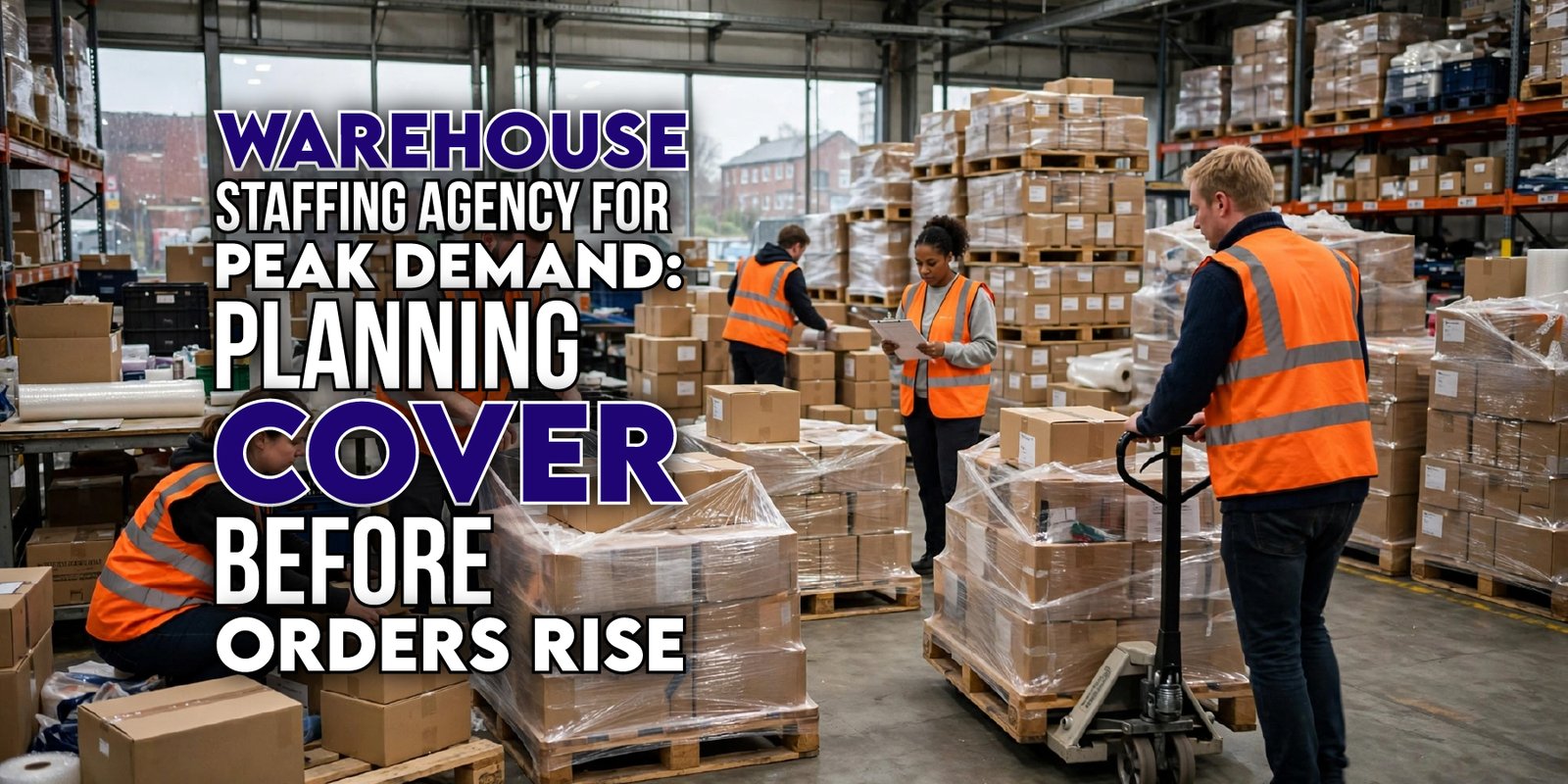
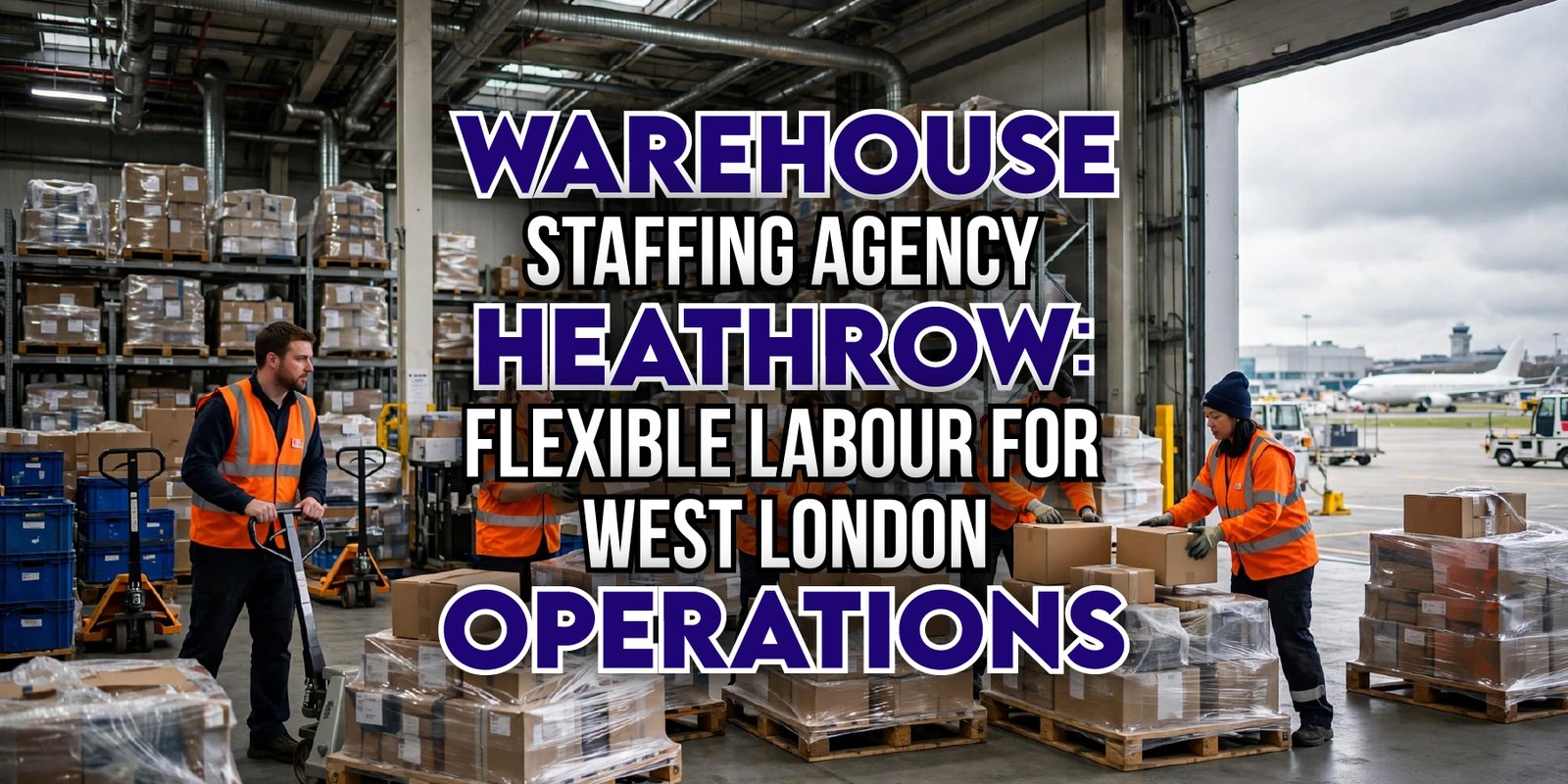
A warehouse business in the UK increases staffing during peak retail seasons using temporary workers. Instead of overhiring permanently, they maintain efficiency while controlling costs.
Growth of temporary and contract staffing
Temporary recruitment is no longer just a short-term solution. It is becoming a core part of workforce strategy.
Key drivers
- demand for flexibility
- cost control pressures
- project-based work
- rapid business scaling
Benefits for employers
Temporary staffing helps businesses:
- fill urgent gaps quickly
- avoid long-term commitments
- maintain productivity during busy periods
This trend is particularly strong in sectors such as logistics, hospitality, and security.
Skills shortages continue to impact hiring
Skills shortages remain one of the biggest challenges in the UK workforce.
Affected sectors
- warehouse and logistics
- hospitality
- security services
- technical and specialised roles
Why shortages persist
- fewer available candidates
- increased competition
- changing workforce expectations
How businesses are adapting
Employers are:
- widening their talent pools
- investing in training
- using recruitment agencies for faster access to candidates
Candidate expectations are changing
Candidates in 2026 are not just looking for jobs. They are looking for better working experiences.
What candidates want
- flexible working options
- fair pay and benefits
- clear communication
- job security and stability
- opportunities for progression
Businesses that fail to meet these expectations often struggle to attract and retain staff.
Faster hiring processes are now critical
Speed has become a competitive advantage in recruitment.
Why speed matters
Top candidates are often available for a limited time. Slow hiring processes can result in losing them to competitors.
How businesses are improving speed
- simplifying application processes
- reducing interview stages
- working with recruitment agencies
- using technology to streamline hiring
Faster hiring improves success rates and reduces operational delays.
Technology is transforming recruitment
Technology is playing an increasingly important role in recruitment.
Key developments
- applicant tracking systems (ATS)
- automated screening tools
- digital onboarding processes
- data-driven hiring decisions
Impact on businesses
Technology helps:
- reduce hiring time
- improve candidate matching
- streamline administration
However, it should support human decision-making, not replace it.
Compliance and right-to-work checks remain crucial
UK employers must meet strict compliance requirements.
Key areas
- right-to-work verification
- documentation checks
- industry-specific regulations
Failure to comply can result in fines and legal issues.
How recruitment agencies help
Professional agencies ensure:
- candidates are properly vetted
- compliance requirements are met
- risk is reduced
This is particularly important in sectors like security and hospitality.
Retention is becoming as important as recruitment
Hiring is only part of the challenge. Retaining staff is equally important.
Why retention matters
High turnover increases:
- recruitment costs
- training time
- operational disruption
How businesses are improving retention
- offering better working conditions
- improving communication
- providing consistent shifts
- recognising employee contributions
Retention strategies reduce long-term hiring pressure.
Employer branding influences hiring success
In a competitive market, reputation matters.
What is employer branding?
It is how your business is perceived as a place to work.
Why it matters
Strong employer branding:
- attracts better candidates
- improves retention
- reduces recruitment costs
Businesses that invest in their reputation often find it easier to hire.
Sector-specific staffing trends
Different industries are experiencing unique recruitment challenges.
Warehouse and logistics
- high demand for operatives and drivers
- need for flexible staffing
- focus on productivity and efficiency
Hospitality
- ongoing staff shortages
- high turnover rates
- demand for reliable temporary staff
Security
- strict compliance requirements
- need for trained and licensed staff
- demand for event and site-based roles
Commercial and office roles
- increased demand for admin and support staff
- hybrid working trends
- focus on productivity and efficiency
Understanding these sector-specific trends helps businesses plan more effectively.
Workforce cost control is a key priority
Rising costs are forcing businesses to rethink hiring strategies.
Cost pressures include
- wages and benefits
- recruitment expenses
- training costs
- operational overhead
How businesses are responding
- using flexible staffing models
- outsourcing recruitment
- improving efficiency
Cost control is now a central part of workforce planning.
Traditional hiring vs flexible workforce planning
Traditional hiring
- fixed workforce
- higher long-term costs
- limited flexibility
- slower response to demand changes
Flexible workforce planning
- scalable staffing
- cost-efficient structure
- faster adaptation
- improved operational control
Flexible models are becoming the preferred approach for many UK businesses.
Avoiding costly hiring mistakes
Recruitment mistakes can be expensive and disruptive.
Common issues include:
- hiring too quickly without proper checks
- choosing the wrong candidates
- failing to assess fit and reliability
- poor onboarding processes
To avoid these problems, it is important to understand common pitfalls. This guide on common hiring mistakes businesses make and how to avoid them provides practical advice to improve hiring decisions.
How businesses can prepare for recruitment in 2026
Preparation is key to staying ahead.
Key steps
- review current workforce structure
- identify skills gaps
- plan for seasonal demand
- build relationships with recruitment agencies
- invest in efficient hiring processes
Proactive planning reduces risk and improves hiring outcomes.
2026 recruitment planning checklist
Use this checklist to prepare your workforce strategy:
- assess current staffing levels
- identify future hiring needs
- implement flexible staffing options
- streamline hiring processes
- ensure compliance with UK regulations
- improve employer branding
- establish relationships with recruitment partners
- monitor workforce performance
This structured approach helps businesses stay organised and competitive.
Practical examples
Warehouse example
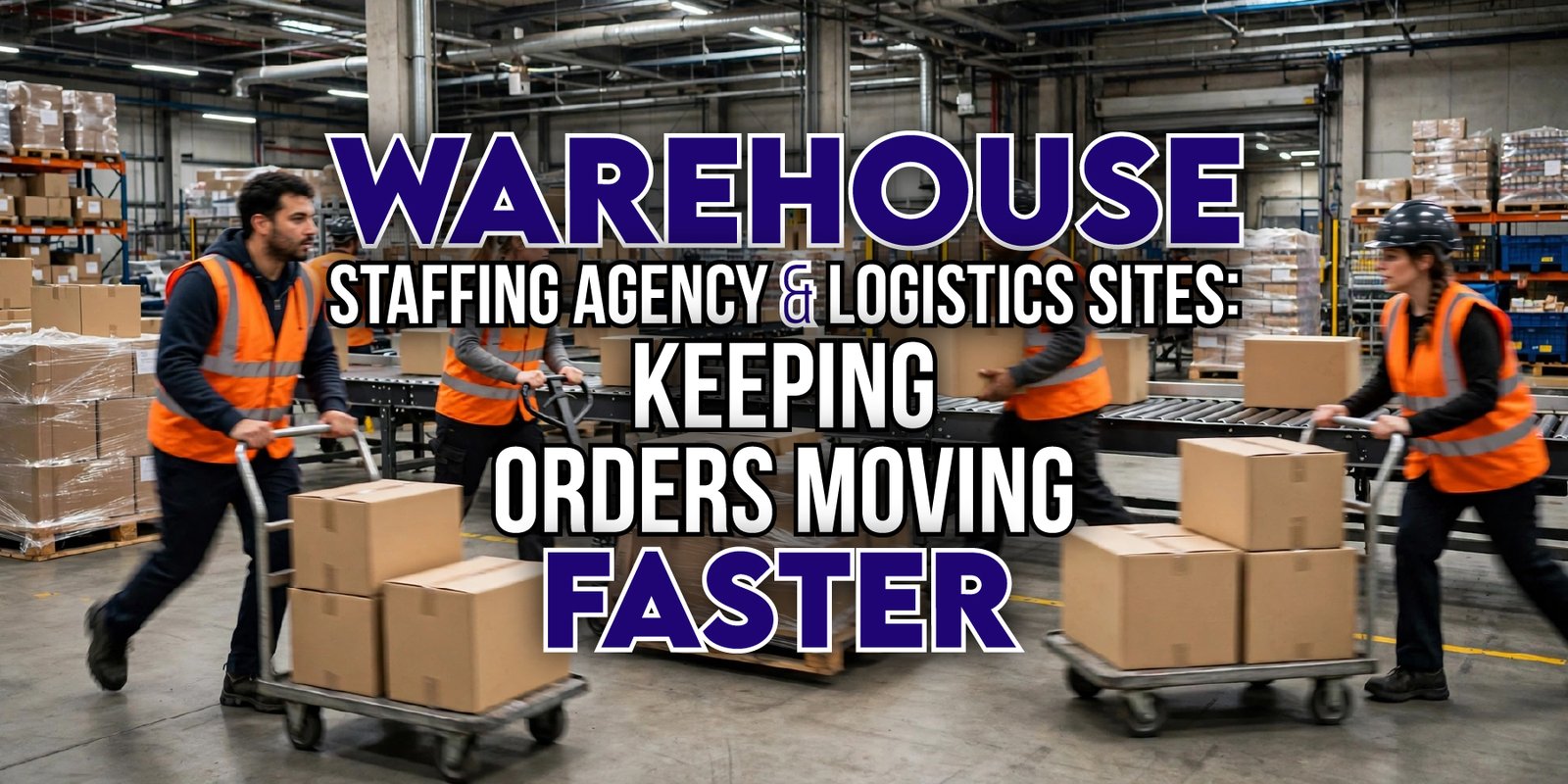
A logistics company uses temporary staffing during peak periods. This reduces overtime costs and improves efficiency.
Hospitality example
A hotel group partners with a recruitment agency to maintain consistent staffing levels during busy seasons, improving service quality.
Security example
An events company hires licensed security staff through an agency to ensure compliance and reliability.
Commercial example
A growing business outsources admin roles to reduce workload on internal teams and improve productivity.
Conclusion
The UK recruitment trends 2026 highlight a clear shift towards flexibility, efficiency, and strategic workforce planning.
Businesses that adapt to these changes will be better positioned to manage costs, attract talent, and maintain productivity. Those that rely on outdated hiring methods may struggle to keep up.
Flexible staffing, faster hiring, strong employer branding, and professional recruitment support are no longer optional. They are essential for success.
If you are looking to strengthen your workforce strategy and stay competitive in 2026, 1st Workforce can help you access reliable, flexible staffing solutions tailored to your business needs.
FAQs
What are the key UK recruitment trends in 2026?
The main trends include flexible workforce planning, temporary staffing growth, skills shortages, faster hiring processes, and increased use of technology in recruitment.
Why is flexible staffing growing in the UK?
Flexible staffing allows businesses to control costs, adapt to demand, and maintain efficiency without long-term commitments.
How can businesses handle skills shortages?
Businesses can widen their talent pool, invest in training, and work with recruitment agencies to access qualified candidates quickly.
Do recruitment agencies help reduce hiring mistakes?
Yes, agencies provide vetted candidates, industry expertise, and faster hiring processes, reducing the risk of poor hiring decisions.
How can employers improve recruitment in 2026?
Employers should focus on flexibility, speed, compliance, employer branding, and strategic workforce planning to stay competitive.