Author: handdrecruitment@gmail.com

  • Permanent vs Temporary Staffing – Which Is Best for Your Business?

    Permanent vs Temporary Staffing – Which Is Best for Your Business?

    In today’s fast-moving business environment, choosing the right workforce strategy is one of the most critical decisions you’ll make as a business owner or HR leader.

    Do you hire permanent staff for long-term consistency?
    Or lean on temporary staffing for flexibility and rapid scaling?

    Both approaches have real benefits — and real disadvantages. Choosing the wrong one can cost you money, slow your growth, and hurt your team’s morale.

    In this detailed UK-focused guide, we explore everything you need to know about permanent and temporary staffing, compare them side-by-side, and help you decide which option is best for your business. We’ll also look at how strategic workforce planning can boost operational performance.

    If you’re ready to take action and explore flexible staffing solutions, you can learn more here:

    👉 https://dev-1stworkforce.pantheonsite.io/
    👉 https://dev-1stworkforce.pantheonsite.io/services/
    👉 https://dev-1stworkforce.pantheonsite.io/get-a-quote/


    What is permanent staffing?

    Permanent staffing refers to employees who are hired into ongoing contracts — usually with no fixed end date — and become long-term members of your team.

    These staff members:

    • receive full employee benefits

    • contribute to company culture

    • usually work set hours

    • become part of your succession strategy

    Permanent staff can be full-time or part-time, but the defining feature is longer-term employment stability.


    What is temporary staffing?

    Temporary staffing covers workers hired for fixed periods, specific projects, or seasonal demand.

    These are often supplied through agencies, and terms are agreed upfront.

    Temporary staff are ideal for:

    • short-term demand spikes

    • covering absences

    • project-based work

    • trial periods before more permanent appointments

    Temporary staff typically have no long-term employment guarantee.


    Why staffing strategy matters

    Your staffing decisions impact far more than just headcount.

    They shape:

    • productivity

    • cost control

    • workforce flexibility

    • company culture

    • long-term strategic growth

    A workforce that’s mismatched to your business needs can slow delivery, increase turnover, and escalate employment costs.


    Permanent staffing – detailed pros and cons

    Advantages of permanent staffing

    1. Deep organisational knowledge

    Permanent employees stay longer and understand your:

    • processes

    • systems

    • culture

    • operational rhythms

    This leads to smoother work and higher efficiency over time.

    2. Stronger team cohesion

    Having a stable team supports:

    • collaboration

    • accountability

    • shared performance goals

    This drives long-term productivity.

    3. Reduced recruitment cycles

    Once onboarded, you spend less time re-hiring for repeat roles.

    This saves HR time and reduces recruiting costs in the long run.

    4. Better for specialist roles

    For roles requiring deep technical knowledge, continuity matters.

    Permanent staff cultivate expertise that benefit your business year after year.


    Disadvantages of permanent staffing

    1. Higher ongoing costs

    Permanent employees usually incur:

    • pensions

    • benefits

    • paid leave

    • training costs

    • HR administration

    These costs accumulate over time.

    2. Less flexibility

    If demand suddenly drops, you can be left with idle capacity.

    Downsizing can be costly and complex under UK employment law.

    3. Longer onboarding time

    Training and integrating new permanent staff requires more upfront commitment.

    This can slow down time-to-productivity.


    Temporary staffing – detailed pros and cons

    Advantages of temporary staffing

    1. Flexibility in workforce size

    Temporary workers allow you to scale up or down quickly with market demand.

    This is ideal for:

    • retail peaks

    • seasonal projects

    • event operations

    2. Lower long-term costs

    You often avoid long-term benefits and certain employment obligations, making short-term staffing more cost-efficient.

    3. Rapid workforce deployment

    Temporary workers are usually ready to start quickly — perfect for urgent needs or unplanned absences.

    4. Trial before hire

    If you’re unsure about a long-term fit, temporary staffing lets you test real-world performance before committing.


    Disadvantages of temporary staffing

    1. Less continuity

    Temporary workers may not fully integrate into teams or processes, which can affect cohesion.

    2. Training overheads

    If tasks are complex, the training time for temporary workers may reduce their early productivity.

    3. Limited loyalty and retention

    Temporary staff may prioritise short-term goals, limiting long-term contribution.


    Cost comparison – permanent vs temporary

    When comparing costs, it helps to break them down into categories:

    Cost type Permanent Temporary
    Payroll Predictable Variable
    Benefits Yes Often No
    Employer NICs Yes Yes
    Pension contributions Yes Yes (depends on terms)
    Holiday pay Yes Usually pro-rated
    Training costs Higher Depends
    Recruitment cycle costs Moderate Lower per hire

    Permanent staff cost more per head over time — but temporary staff can be more expensive per hour during high-demand periods.

    Understanding your workload cycles is critical when modelling costs.


    When permanent staffing is the best option

    Permanent staffing works best when you need:

    • continuity in knowledge and skills

    • long-term investment in quality

    • stable operational roles

    • succession planning

    • stronger team culture

    For core functions like management, specialised technical roles, and customer-facing service teams, permanent staffing usually delivers stronger performance.


    When temporary staffing is the best option

    Temporary staffing is an excellent choice when you have:

    • seasonal workload peaks

    • project-specific requirements

    • short-term absences (maternity cover, illness)

    • urgent demands that don’t require long-term commitment

    Temporary staffing also offers a safe way to trial potential future team members.


    Strategic workforce planning – hybrid approaches

    Most successful businesses don’t choose one or the other — they use a hybrid workforce strategy.

    In a hybrid approach:

    • permanent staff hold core roles

    • temporary staff fill demand spikes

    • contractors or freelancers support specialised short-term tasks

    This balanced model helps businesses achieve both continuity and flexibility without costly overstaffing.


    Risk management – how staffing choices affect your business

    Permanent staffing risks

    • redundancy obligations

    • pension auto-enrolment costs

    • skill mismatches

    • long recruitment cycles

    Temporary staffing risks

    • inconsistent performance

    • training demands

    • integration challenges

    • risk of over-reliance if too many temporary staff are used

    A thoughtful workforce strategy considers both cost and operational risk.


    Legal and compliance considerations in the UK

    Employers must understand the legal implications of their staffing choices, including:

    • right-to-work requirements

    • holiday entitlement

    • pension auto-enrolment

    • working time regulations

    • payroll and tax obligations

    Temporary staff supplied via agencies may also attract additional compliance requirements under UK labour regulations.

    Understanding these rules reduces risk and protects your business from penalties.


    Recruitment and onboarding differences

    Permanent recruitment

    Permanent staffing often involves:

    • structured interviews

    • background checks

    • deeper cultural fit assessments

    • longer onboarding and induction

    Temporary workforce onboarding

    Temporary workers may:

    • receive faster orientation

    • require role-specific training only

    • start with clear short-term objectives

    Efficient onboarding for both types can reduce early turnover and performance issues.


    Retention and morale

    Permanent employees benefit from:

    • job security

    • career progression

    • engagement incentives

    Temporary staff may be motivated by:

    • flexible working styles

    • short-term goals

    • specific skill contributions

    Understanding your workforce’s motivations helps you design roles that perform.


    Productivity and performance impact

    Permanent staff often deliver higher productivity over time due to:

    • deeper organisational knowledge

    • continuity of experience

    • improved collaboration

    Temporary staff can deliver high performance when:

    • roles are clearly defined

    • training is provided swiftly

    • expectations are clear

    The key is matching the staffing type to the task requirement.


    Team culture and organisational cohesion

    Permanent staffing builds culture gradually — through shared objectives, daily interaction, and long-term relationships.

    Temporary staffing requires more deliberate culture integration — often through:

    • clear communication

    • defined team norms

    • cross-training

    Balancing both types requires thoughtful leadership and strong onboarding practices.


    Case study – retail peak periods

    Retail businesses often face seasonal demand spikes.

    Using only permanent staff:

    • increased overtime costs

    • lower flexibility

    Using temporary staffing:

    • quick workforce scale-up

    • targeted scheduling

    • reduced overtime

    In this case, temporary staffing offers clear cost and operational advantages.


    Case study – technical service teams

    For specialised technical teams (e.g., IT support, engineering), permanent staffing offers:

    • deep system knowledge

    • reduced errors over time

    • better support handovers

    Temporary staffing may work during short-term projects but not for core operations.


    Workforce strategy tips for UK businesses

    1. Audit your workload cycles – identify peak and low demand periods

    2. Define which roles are core vs non-core – allocate permanent and temporary accordingly

    3. Develop onboarding frameworks – for both staffing types

    4. Train managers in performance evaluation – temporary and permanent staff need clear KPIs

    5. Use workforce data to inform future hiring decisions

    A data-driven strategy removes guesswork.


    Working with staffing partners

    Using a staffing partner — like 1st Workforce — helps you:

    • match candidates accurately to roles

    • access flexible temporary staff quickly

    • reduce recruitment administration

    • ensure compliance with labour laws

    You can explore full staffing solutions here:

    👉 https://dev-1stworkforce.pantheonsite.io/services/


    Practical tips to avoid staffing mistakes

    Whether using permanent, temporary, or hybrid staffing, avoid these common errors:

    • hiring without clear role definitions

    • neglecting workforce forecasting

    • relying too heavily on one staffing type

    • failing to invest in onboarding

    • ignoring cultural integration

    Strategic planning avoids costly recruitment errors.


    The future of staffing – flexible, data-led, value-driven

    Staffing is no longer a purely HR function — it is a core operational strategy.

    Technology, analytics and flexible workforce models are reshaping how UK businesses hire, retain and optimise staff.

    Businesses that adapt quickly to changing staffing demands will always outperform competitors.


    Final verdict – which is best?

    There’s no universal answer — but there is a right answer for your business.

    • Choose permanent staffing when continuity, culture and deep expertise matter.

    • Choose temporary staffing when flexibility, speed and cost control matter.

    • Use a hybrid workforce strategy to balance both needs.

    This approach helps you control costs, reduce risk and maintain performance regardless of market conditions.


    Take the next step with strategic staffing support

    If you’re unsure which staffing strategy works best for your business, or you want tailored workforce solutions, you can request a quote here:

    👉 https://dev-1stworkforce.pantheonsite.io/get-a-quote/

    Equipping your business with the right mix of talent today will accelerate growth and build resilience for tomorrow.

  • How to Build a Strong Hiring Pipeline Without HR Headaches

    How to Build a Strong Hiring Pipeline Without HR Headaches

    In today’s highly competitive UK labour market, businesses are no longer struggling only with finding people — they are struggling with building a reliable, repeatable hiring pipeline that does not drain their HR teams, managers, and operations staff.

    If your organisation constantly feels like it is:

    • always hiring,

    • always short staffed,

    • always firefighting vacancies,

    • and always overloaded with CVs, emails and follow-ups,

    then the real problem is not recruitment.

    It is the absence of a structured hiring pipeline.

    This in-depth guide will show you how to build a strong, scalable hiring pipeline that reduces stress on your HR team, improves candidate quality, and allows your business to grow without recruitment chaos — using a model that works especially well for UK businesses working with specialist staffing partners such as
    👉 https://dev-1stworkforce.pantheonsite.io/


    What Is a Hiring Pipeline (And Why Most Businesses Don’t Really Have One)

    A hiring pipeline is not a list of applicants.

    A true hiring pipeline is a structured system that continuously attracts, screens, qualifies, and prepares candidates before you urgently need them.

    Most companies rely on:

    • job boards

    • reactive adverts

    • emergency referrals

    • last-minute agencies

    This creates a stop-start recruitment cycle that produces:

    • rushed decisions

    • duplicated admin

    • inconsistent screening

    • poor retention

    • overworked HR teams

    A strong pipeline replaces panic hiring with predictable workforce supply.


    Why HR Headaches Come From Process – Not People

    The main causes of HR pressure are:

    • multiple managers hiring in different ways

    • different screening standards

    • inconsistent interview processes

    • unclear responsibility for shortlisting

    • slow approvals

    • fragmented systems

    According to guidance from Chartered Institute of Personnel and Development, organisations with structured and standardised recruitment frameworks experience better retention, lower early-stage turnover and significantly lower administrative workload for HR teams.

    In simple terms:

    The better your pipeline, the lighter your HR workload becomes.


    Step 1 – Start With Workforce Planning, Not Vacancies

    A strong hiring pipeline starts long before a vacancy appears.

    You should map:

    • recurring roles

    • seasonal hiring peaks

    • historically high-turnover positions

    • expansion roles planned for the next 6–12 months

    Create a simple forecast:

    Role Avg hires per quarter Typical notice period Risk level
    Warehouse operatives 15–20 Immediate High
    Drivers 5–8 1–2 weeks Medium
    Supervisors 1–2 4–8 weeks High

    This allows your pipeline to be built proactively instead of reactively.


    Step 2 – Define One Clear Candidate Profile Per Role

    Your pipeline collapses when everyone hires to different standards.

    Every recurring role should have a short candidate profile covering:

    • must-have skills

    • shift availability

    • location and transport expectations

    • compliance and certification requirements

    • behavioural traits

    This profile becomes the foundation for:

    • screening

    • shortlisting

    • interview questions

    • agency briefings

    When working with a specialist provider such as
    👉 https://dev-1stworkforce.pantheonsite.io/services/
    this single profile dramatically increases candidate relevance and reduces back-and-forth with HR.


    Step 3 – Design Your Pipeline Stages Clearly

    A high-performing hiring pipeline is always built around fixed stages.

    Typical hiring pipeline stages

    Your core stages should include:

    1. Sourcing

    2. Screening

    3. Qualification

    4. Interview

    5. Compliance checks

    6. Offer

    7. Onboarding

    8. Talent pool retention

    Every role should move through the same structure.

    This consistency is what removes HR headaches.


    Step 4 – Centralise Candidate Flow

    HR stress increases when candidates arrive through:

    • email

    • WhatsApp

    • LinkedIn messages

    • direct manager referrals

    • multiple agencies

    Instead, your business should define:

    • one intake channel

    • one shortlist owner

    • one interview coordination point

    Whether you use an internal system or an external workforce partner, centralising candidate flow allows:

    • faster screening

    • consistent documentation

    • simpler reporting

    • less manual chasing

    This is exactly why many UK employers move pipeline management to a workforce specialist such as
    👉 https://dev-1stworkforce.pantheonsite.io/


    Step 5 – Build a Pre-Qualified Talent Pool

    The strongest pipelines rely heavily on pre-qualified candidates.

    This pool should include:

    • previously successful workers

    • candidates who narrowly missed placement

    • seasonal returners

    • strong referrals

    • flexible multi-role workers

    This group becomes your first call whenever new demand appears.

    When supported by a professional staffing provider, this pool is actively refreshed, screened and availability-checked in real time.

    This removes most emergency hiring pressure from HR.


    Step 6 – Standardise Screening (So HR Stops Repeating the Same Work)

    Your screening process should be fixed and role-specific.

    For operational and fast-paced roles, effective screening should always confirm:

    • right-to-work eligibility

    • location and travel reliability

    • shift and rota compatibility

    • recent role relevance

    • expected start date

    • minimum pay expectations

    Standardised screening means:

    • fewer unsuitable interviews

    • less re-screening by managers

    • fewer declined offers

    This alone can reduce HR involvement by more than 30%.


    Step 7 – Use Structured Interviews Across All Teams

    One of the biggest hidden HR burdens is inconsistent interviewing.

    Different managers ask:

    • different questions

    • different standards

    • different interpretations

    A simple structured interview framework should include:

    • role overview

    • 4–6 competency-based questions

    • one realistic scenario

    • availability confirmation

    This allows HR to:

    • train managers once

    • reduce post-interview disputes

    • improve fairness and compliance

    It also makes scaling much easier.


    Step 8 – Integrate Compliance and Right-to-Work Checks Into the Pipeline

    Compliance should never sit after the offer stage.

    It must be embedded into the pipeline.

    Your process should include:

    • early right-to-work verification

    • qualification checks

    • licence and certification validation

    • reference procedures (where required)

    By shifting compliance earlier:

    • late-stage failures disappear

    • onboarding delays shrink

    • HR avoids repeated chasing

    Specialist staffing providers such as
    👉 https://dev-1stworkforce.pantheonsite.io/services/
    manage these steps at scale for employers.


    Step 9 – Automate the Offer and Onboarding Process

    Most pipeline breakdowns occur between:

    interview → offer → start date

    A strong pipeline automates:

    • conditional offer letters

    • contract issue

    • starter forms

    • policy acknowledgements

    • induction scheduling

    This removes:

    • manual document handling

    • repeated emails

    • HR follow-ups

    Your pipeline should allow candidates to move from interview to onboarding within hours, not days.


    Step 10 – Keep Candidates Warm (So Your Pipeline Doesn’t Dry Up)

    A pipeline is only strong if candidates remain engaged.

    You should maintain light but regular communication with:

    • shortlisted candidates

    • active talent pool members

    • seasonal workers

    • returning candidates

    This can include:

    • availability checks

    • upcoming role alerts

    • simple update messages

    A maintained pipeline dramatically reduces future sourcing costs and time-to-hire.


    Step 11 – Define Clear Ownership Inside Your Business

    HR headaches often come from blurred responsibility.

    You must define:

    • who owns role requirements

    • who owns shortlisting

    • who conducts interviews

    • who approves offers

    Without this clarity, HR becomes the default problem-solver.

    A clear hiring responsibility map protects HR capacity and improves decision speed.


    Step 12 – Use Workforce Partners as a Pipeline Engine

    A recruitment agency fills vacancies.

    A workforce partner builds and manages your pipeline.

    A specialist provider such as
    👉 https://dev-1stworkforce.pantheonsite.io/
    supports your hiring pipeline by:

    • continuously sourcing candidates

    • pre-qualifying against your role profiles

    • maintaining active talent pools

    • managing screening and compliance

    • coordinating availability

    • supporting onboarding

    This transforms recruitment from an operational burden into a predictable supply process.


    Step 13 – Build a Rapid Hiring Lane for High-Volume Roles

    High-volume roles require a dedicated fast lane within your pipeline.

    This should include:

    • predefined job briefs

    • fixed screening scripts

    • simplified interview structure

    • pre-approved pay bands

    • agreed supplier SLAs

    When demand spikes, your pipeline already knows exactly how to respond.

    This is particularly valuable in:

    • logistics

    • warehousing

    • construction

    • hospitality

    • cleaning

    • manufacturing


    Step 14 – Track Pipeline Health (Not Just Hires)

    Most organisations only track:

    • number of hires

    • time-to-hire

    A strong pipeline tracks:

    • candidates at each stage

    • interview-to-offer ratio

    • offer acceptance rate

    • 30-day retention

    • 90-day retention

    • source quality

    These indicators show whether your pipeline is truly reducing risk and HR workload.


    Step 15 – Build a Simple Pipeline Scorecard

    To protect quality and speed, use a scoring model:

    Criteria Score
    Skills match /5
    Availability & flexibility /5
    Behavioural fit /5
    Reliability indicators /5
    Compliance readiness /5

    Only candidates above your threshold progress automatically.

    This removes decision fatigue from managers and HR.


    Common Reasons Hiring Pipelines Fail

    1. Too many exceptions

    Every exception weakens consistency.


    2. No talent pool maintenance

    A pipeline that is not refreshed weekly is not a pipeline.


    3. Managers bypass the process

    This reintroduces HR firefighting.


    4. Compliance is treated as admin

    This causes late failures and onboarding delays.


    How to Start Building a Strong Hiring Pipeline With 1st Workforce

    The fastest way to build a functioning pipeline without overloading your internal team is to involve a dedicated workforce partner early.

    You can begin by submitting your requirements through:
    👉 https://dev-1stworkforce.pantheonsite.io/get-a-quote/

    This allows you to define:

    • roles and volumes

    • timeframes

    • shift patterns

    • location coverage

    • compliance requirements

    A tailored staffing and pipeline solution can then be built around your operational needs.


    Final Checklist – A Hiring Pipeline That Removes HR Headaches

    Before launching your next hiring campaign, confirm:

    • workforce demand forecast exists

    • role profiles are standardised

    • screening criteria are fixed

    • interview framework is consistent

    • compliance is embedded early

    • onboarding is automated

    • talent pool is active

    • ownership is clearly defined

    If these elements are in place, your pipeline will:

    • reduce recruitment stress

    • improve candidate quality

    • shorten hiring cycles

    • improve retention

    • and protect HR capacity


    Conclusion – A Strong Pipeline Is an Operational Asset

    Hiring pipelines are not an HR tool.

    They are a business infrastructure.

    When your organisation invests in:

    • proactive workforce planning

    • structured screening

    • standardised interviews

    • integrated compliance

    • automated onboarding

    • and professional pipeline management

    you eliminate the chaos that causes HR burnout.

    For UK businesses that need scalable, compliant and fast workforce solutions, building your hiring pipeline alongside an experienced staffing partner such as
    👉 https://dev-1stworkforce.pantheonsite.io/
    allows you to grow confidently — without the recruitment headaches that slow down your business.

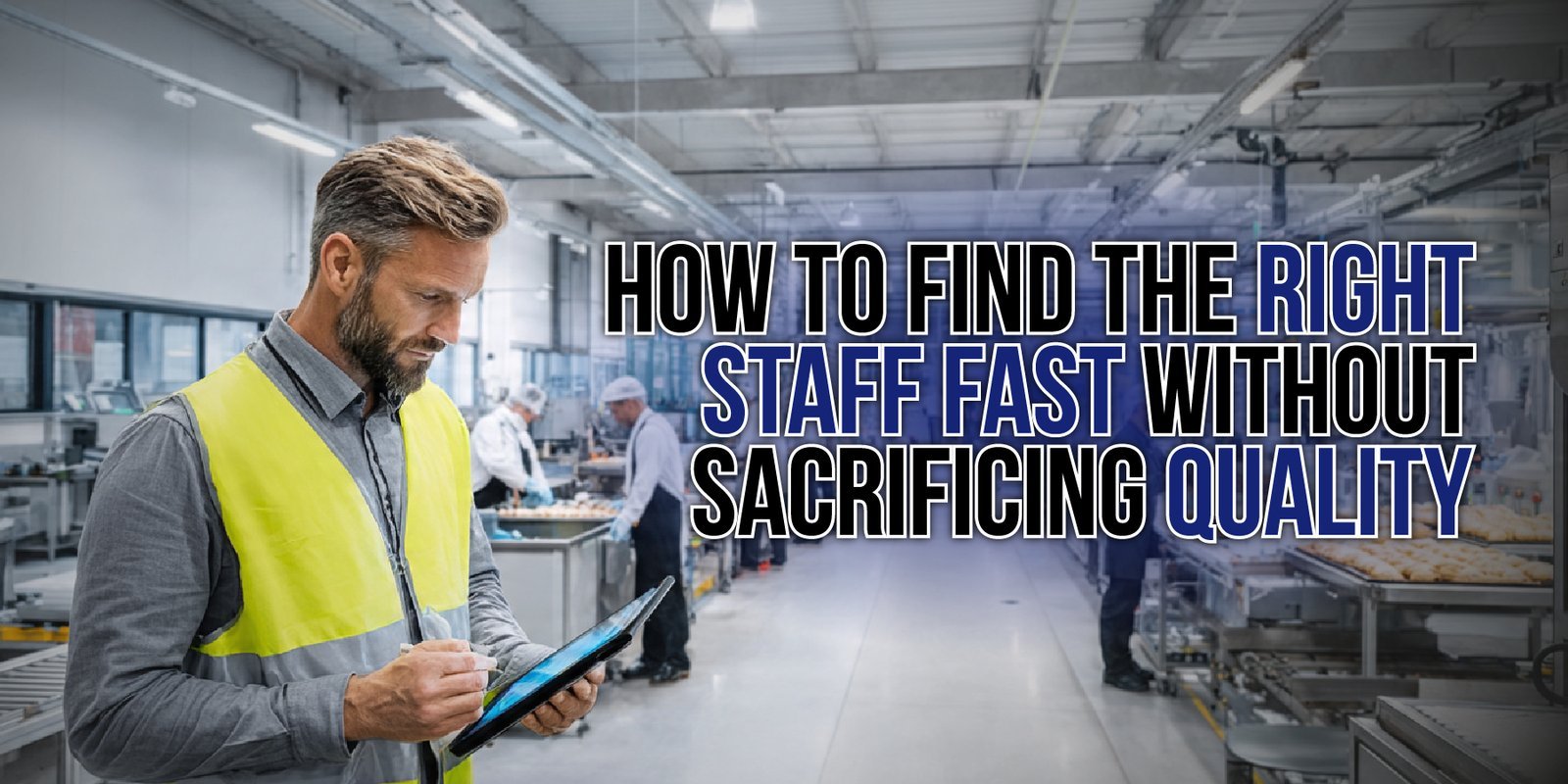
  • How to Find the Right Staff Fast Without Sacrificing Quality

    How to Find the Right Staff Fast Without Sacrificing Quality

    Hiring quickly is no longer a “nice-to-have” — it’s a commercial necessity. In the UK market, skills shortages, rising competition for reliable workers, and growing candidate expectations mean that every delayed hire can cost your business revenue, productivity and customer confidence.

    But speed often creates a dangerous trade-off.

    Many companies fill roles fast… only to repeat the process weeks later because the person wasn’t right.

    This guide shows you how to recruit faster while still protecting quality, using proven hiring frameworks that work particularly well for UK employers using professional recruitment support such as https://dev-1stworkforce.pantheonsite.io/.

    By the end of this article, you will have a practical, repeatable system to reduce time-to-hire without lowering your standards.


    Why “Fast Hiring” Usually Fails

    Most businesses struggle with speed because their hiring process is reactive.

    Typical problems include:

    • Vague job descriptions

    • Too many approval layers

    • Manual CV screening

    • Unclear shortlisting criteria

    • Late engagement with recruitment partners

    • Interview processes that are not structured

    The result is predictable:

    • You interview too many unsuitable candidates

    • You lose good candidates to competitors

    • You rush the final decision

    • Retention suffers

    Speed does not come from skipping steps.
    It comes from designing the right steps upfront.


    The Real Cost of a Bad Hire

    Before optimising for speed, it is important to understand what “quality” actually protects.

    A poor hire affects:

    • Team morale

    • Supervisor time

    • Client satisfaction

    • Compliance and safety (especially in operational roles)

    • Training budgets

    • Brand reputation

    According to guidance and workforce research published by Chartered Institute of Personnel and Development, poor hiring decisions are one of the most common contributors to long-term workforce instability and productivity loss in UK organisations.

    In short:
    Hiring fast but wrong costs more than hiring slower and right.

    Your objective should be:

    Reduce time-to-hire without increasing hiring risk.


    Step 1 – Define “Right Staff” Before You Start Hiring

    Most companies start with a job title.

    High-performing companies start with outcomes.

    Instead of writing:

    Warehouse Operative – full time

    Define:

    • What must this person achieve in their first 60 days?

    • What tasks must they perform independently?

    • What behaviour makes someone successful in this role?

    A simple quality profile

    Create a short internal hiring brief containing:

    Role outcomes

    • What success looks like

    • What the person will actually do daily

    Essential skills

    • Technical or operational requirements

    Behavioural traits

    • Reliability

    • Attention to detail

    • Customer handling

    • Physical or mental stamina (where relevant)

    This 1-page profile becomes the filter for speed and quality at the same time.


    Step 2 – Use Role-Specific Screening, Not Generic CV Filters

    Many businesses lose time because they rely on CV scanning instead of role-based screening.

    A CV does not show:

    • Work ethic

    • Availability

    • Shift suitability

    • Location flexibility

    • Immediate readiness

    This is especially important in sectors such as:

    • Logistics

    • Construction

    • Cleaning

    • Hospitality

    • Industrial and warehouse staffing

    • Short-notice cover

    Fast hiring requires live screening rather than passive document review.

    This is where professional recruitment providers such as
    https://dev-1stworkforce.pantheonsite.io/services/ create a major advantage by pre-screening candidates against your actual operational needs.


    Step 3 – Centralise Your Hiring Pipeline

    Speed disappears when your process is fragmented.

    A fast hiring workflow should look like this:

    • One intake channel

    • One shortlist owner

    • One decision owner

    • One interview format

    • One offer process

    If you currently use:

    • WhatsApp messages

    • scattered emails

    • separate spreadsheets

    • multiple approval chains

    …you are losing days every week.

    What to centralise

    • CVs and applications

    • screening results

    • interview notes

    • availability and compliance documents

    A single workflow eliminates duplication and delays.


    Step 4 – Shortlist Based on Predictive Indicators

    Not all experience predicts performance.

    What actually predicts success in fast-moving operational roles?

    • Attendance history

    • Shift flexibility

    • Transport reliability

    • Previous rota stability

    • Supervisor references

    • Role-specific exposure

    When speed matters, prioritise candidates who:

    • can start immediately

    • match your shift patterns

    • already hold right-to-work and compliance documents

    • have done similar tasks recently

    This reduces training friction and early churn.


    Step 5 – Build a Pre-Qualified Talent Pool

    The fastest hire is the one you do not need to search for.

    A ready-to-deploy talent pool should include:

    • previously successful temporary workers

    • candidates who narrowly missed previous placements

    • seasonal workers willing to return

    • recommended referrals

    Professional staffing providers such as
    https://dev-1stworkforce.pantheonsite.io/ maintain continuously refreshed talent pools so that clients do not restart sourcing for every vacancy.

    This approach typically reduces time-to-hire by more than 50%.


    Step 6 – Standardise Interviews

    Unstructured interviews slow hiring and reduce quality.

    A structured interview should always contain:

    1. A short role overview (3 minutes)

    2. 4–6 competency-based questions

    3. One practical scenario

    4. Availability and commitment confirmation


    What a fast structured interview looks like

    Example questions

    • Tell me about a time you had to meet a tight deadline.

    • What would you do if a supervisor gave you conflicting instructions?

    • How do you manage repeated tasks over long shifts?

    Consistency allows you to compare candidates faster and more fairly.


    Step 7 – Reduce Approval Bottlenecks

    Many organisations delay offers by waiting for:

    • secondary manager sign-off

    • finance confirmation

    • operations approval

    Create a hiring authority framework:

    • Define who can approve which roles

    • Set a maximum approval window (for example 24 hours)

    • Allow conditional offers where appropriate

    Your competitors are often making offers on the same day.


    Step 8 – Use Recruitment Partners as an Extension of Your Team

    Fast hiring without quality is extremely difficult without dedicated resourcing.

    A specialist workforce provider such as
    https://dev-1stworkforce.pantheonsite.io/services/ typically supports speed through:

    • continuous candidate sourcing

    • pre-employment screening

    • right-to-work verification

    • skills matching

    • availability validation

    • compliance management

    This removes the operational load from your internal teams.

    Instead of processing candidates, your managers focus on selecting the best ones.


    Step 9 – Pre-Close Candidates Early

    High-quality candidates rarely wait.

    During screening, confirm:

    • start date expectations

    • shift availability

    • travel constraints

    • pay expectations

    • contract preference

    This avoids late-stage withdrawals and renegotiation delays.

    Fast hiring requires certainty before interviews, not after.


    Step 10 – Automate Offer and Onboarding Steps

    Your speed advantage disappears if onboarding takes days.

    Automate:

    • offer letters

    • starter documentation

    • right-to-work uploads

    • policy acknowledgements

    • induction scheduling

    This allows you to move from offer to start date in hours, not weeks.


    Step 11 – Measure the Right Speed Metrics

    Most companies track only time-to-hire.

    You should track:

    • time-to-shortlist

    • interview-to-offer ratio

    • offer acceptance rate

    • 30-day retention

    • 90-day retention

    Fast hiring that damages retention is not success.


    Step 12 – Use a Simple Decision Matrix

    To protect quality under time pressure, apply a basic scoring system:

    Criteria Score
    Skills match /5
    Availability /5
    Behavioural fit /5
    Reliability indicators /5
    Compliance readiness /5

    Candidates above your minimum threshold move immediately to offer.

    This removes emotional bias and speeds decisions.


    Step 13 – Create a Rapid Response Hiring Process

    For businesses that face fluctuating demand, you should pre-design a rapid hiring workflow.

    A strong rapid hiring model includes:

    • predefined job templates

    • fixed screening scripts

    • agreed supplier SLAs

    • pre-approved rates

    • pre-approved contracts

    Recruitment partners such as
    https://dev-1stworkforce.pantheonsite.io/ can support this model through on-demand staffing and surge hiring.


    Step 14 – When Should You Use a Specialist Workforce Partner?

    You should strongly consider external support when:

    • you need multiple hires in short timeframes

    • your roles require rapid availability

    • you have high seasonal demand

    • internal HR capacity is limited

    • compliance and right-to-work processing slows hiring

    Instead of adding headcount internally, you scale your hiring capability instantly.


    How to Start Hiring Faster with 1st Workforce

    If you want to move from slow, reactive hiring to a structured fast-hire model, the fastest entry point is to define your requirements clearly and allow a dedicated workforce partner to build your pipeline.

    You can request a tailored recruitment proposal directly through:

    👉 https://dev-1stworkforce.pantheonsite.io/get-a-quote/

    This allows you to:

    • outline your role requirements

    • specify volumes and timeframes

    • confirm sector and shift needs

    • receive a customised staffing solution


    Common Mistakes That Slow Hiring (and How to Fix Them)

    Mistake 1 – Overwriting job requirements

    Fix:
    Use outcome-based role definitions.


    Mistake 2 – Interviewing too many candidates

    Fix:
    Improve pre-screening and shortlist quality.


    Mistake 3 – Waiting too long to make offers

    Fix:
    Set approval windows and authority limits.


    Mistake 4 – Treating onboarding as a back-office task

    Fix:
    Integrate onboarding into your hiring workflow.


    Final Checklist – Fast Hiring Without Losing Quality

    Use this checklist before every hiring campaign:

    • Role success profile created

    • Screening criteria defined

    • Interview questions standardised

    • Approval authority confirmed

    • Offer process automated

    • Talent pool available

    • Compliance workflow prepared

    • Retention metrics tracked

    If any box is missing, your hiring speed will suffer.


    Conclusion – Speed and Quality Are Not Opposites

    The biggest misconception in recruitment is that you must choose between:

    • fast hiring
      or

    • good hiring

    In reality, both come from process maturity.

    When you:

    • define success clearly

    • screen intelligently

    • remove bottlenecks

    • work with specialist workforce providers

    • centralise decisions

    • track retention outcomes

    …you can build a hiring system that delivers the right staff, quickly, and consistently.

    For UK businesses seeking scalable, compliant and rapid workforce solutions, working with an experienced recruitment partner such as https://dev-1stworkforce.pantheonsite.io/ allows you to grow without sacrificing the standards that protect your business long-term.